Canada News
Carney adviser calls for stronger security screening after alleged NATO espionage case

Floyd Brenz., Philippine Canadian Inquirer
October 22, 2026
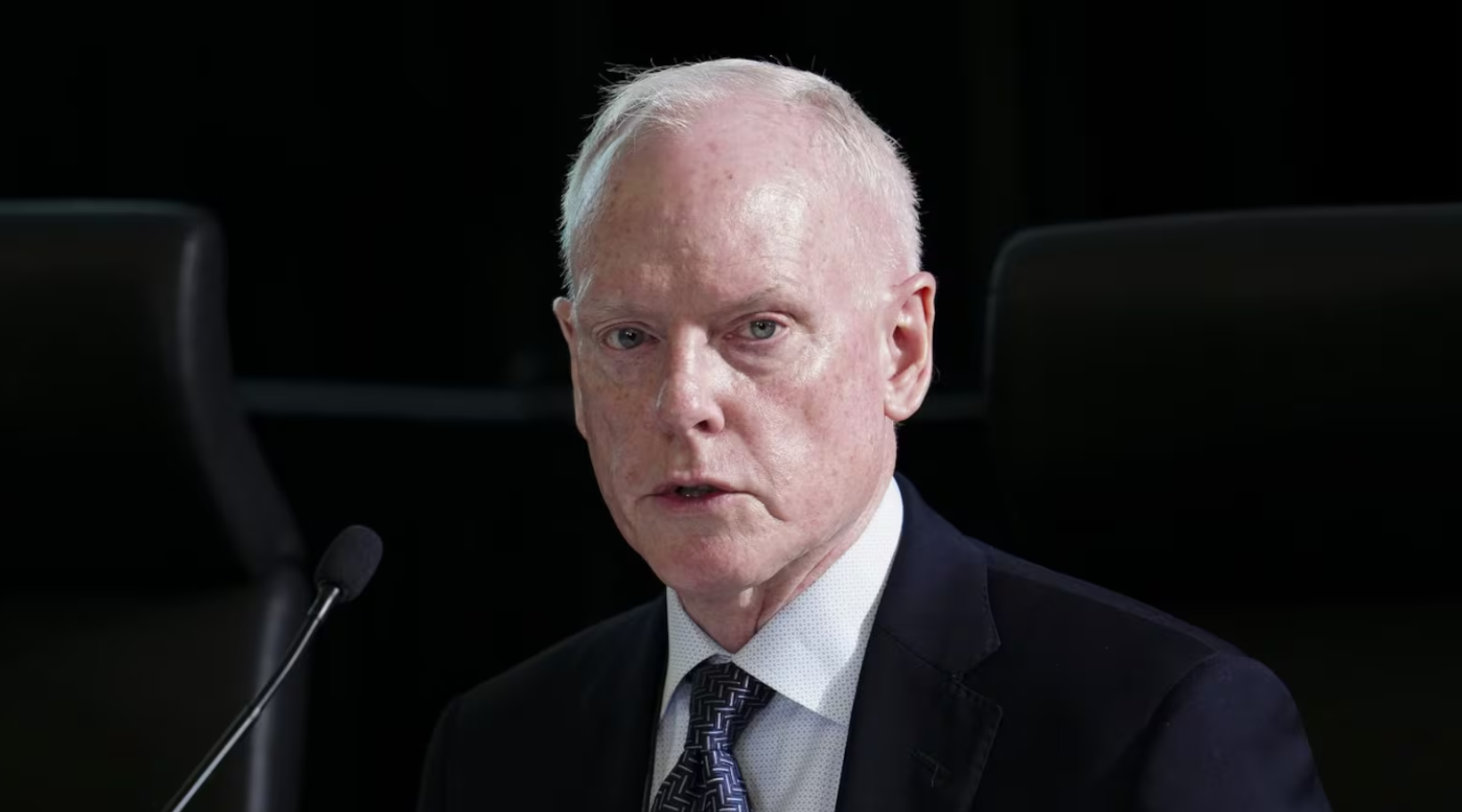
Photo Courtesy: The Canadian Press
A senior adviser to Canadian Prime Minister Mark Carney says the federal government could strengthen its security screening system by improving information-sharing among departments and introducing a centralized registry of security clearance records.
David Morrison, the prime minister’s senior diplomatic and international affairs adviser, presented the recommendations during a parliamentary committee hearing on Wednesday as lawmakers examined gaps in Canada’s national security screening procedures.
The hearings follow the arrest of a Canadian national working as an intern at NATO’s military headquarters in Belgium on espionage-related allegations. The case has raised questions about how the individual obtained a federal security clearance despite a previous finding of fraud involving a government job application.
According to court records, Canada’s Public Service Commission found in 2023 that Biwei Zhang, also known as Claire Zhang, committed fraud during an application process for a position with the Canada Border Services Agency. The Federal Court later dismissed her application challenging that finding.
Public Safety Minister Gary Anandasangaree previously confirmed that Global Affairs Canada had granted the individual a security clearance, prompting scrutiny of the screening process.
Morrison said a government-wide registry could help departments determine whether relevant personnel security information already exists, reducing duplication and making assessments more efficient.
Under the current system, individual federal departments remain responsible for granting security clearances, while the Treasury Board Secretariat establishes the policy framework. The RCMP and Canadian Security Intelligence Service contribute criminal background checks and national security assessments.
Morrison also called for more consistent use of publicly available information, including online searches of an applicant’s background, across different levels of security screening. He said common tools, training standards and assessment methods could improve consistency among departments.
He further recommended strengthening security oversight throughout an employee’s tenure through recurring screening, reporting requirements, insider-risk programs and ongoing security awareness.
Security expert Wesley Wark told the committee that the existing system faces significant pressure because CSIS handles hundreds of thousands of screening requests annually, including those related to immigration and federal employment.
Wark suggested Canada consider establishing a separate, centralized agency dedicated to security clearances, similar to the model used in the United Kingdom.
The government has acknowledged gaps in its screening procedures and is considering reforms. However, the espionage allegations remain subject to legal proceedings, and the case has not established that any particular security official acted improperly.