Headline
Palace warns expelling Chinese envoy could affect Filipinos living in China

ASM, Philippine Canadian Inquirer
October 22, 2026
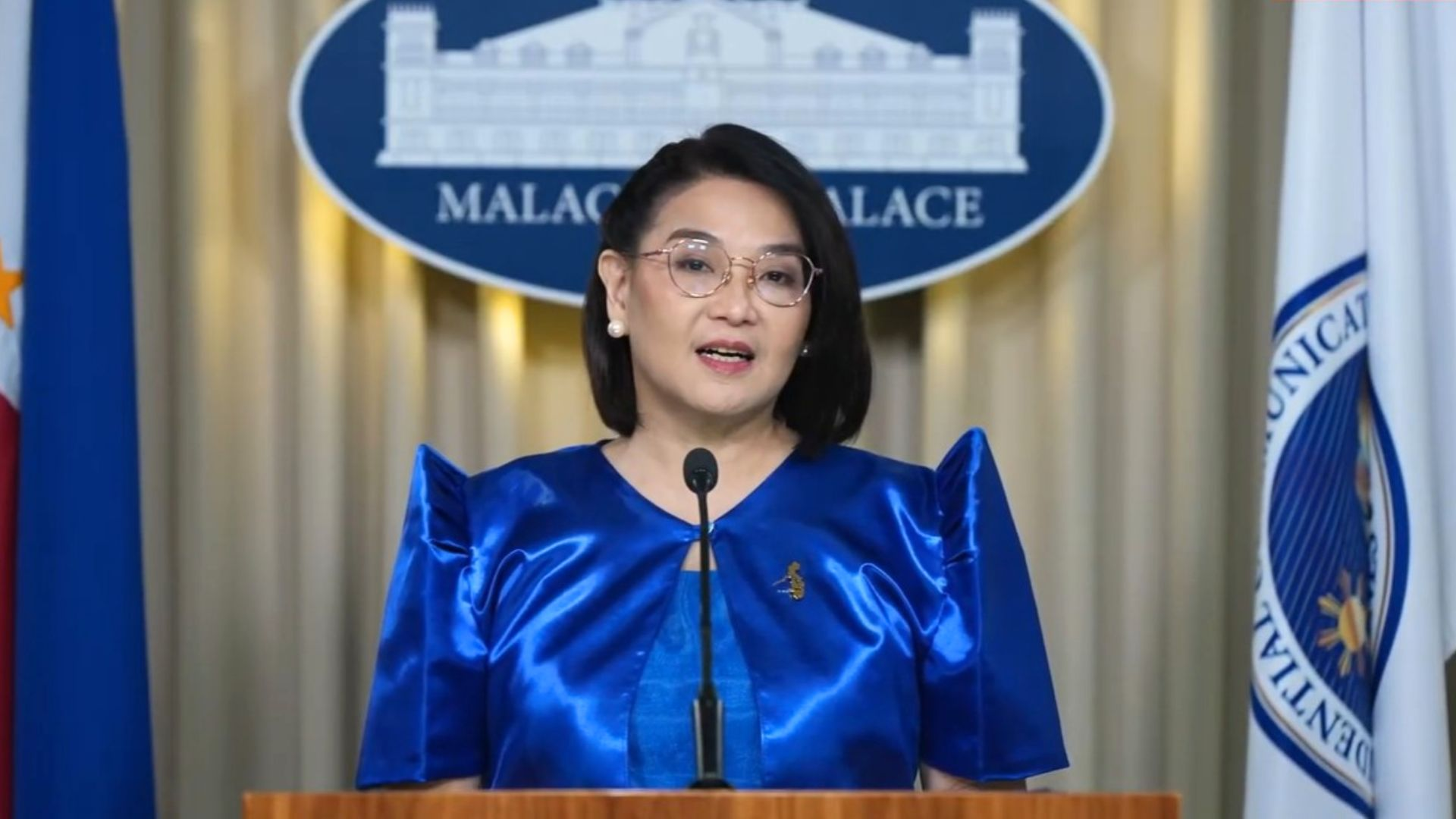
Photo courtesy: Presidential Communication Office
MANILA, Philippines — Malacañang has urged lawmakers to consider the potential consequences for Filipinos living in China before pursuing the expulsion of Chinese Ambassador Jing Quan, whose remarks about Beijing’s military capabilities have drawn criticism from Philippine officials.
Palace Press Officer Claire Castro said Wednesday, October 21, that while public anger over the ambassador’s statements was understandable, the government must weigh its diplomatic options carefully.
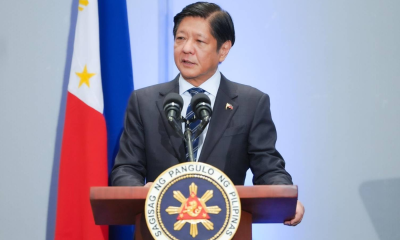
She emphasized that President Ferdinand Marcos Jr. remains committed to defending Philippine sovereignty and maritime rights in the West Philippine Sea.
However, Castro said decisions involving foreign diplomats should not be driven solely by public outrage, particularly when the welfare of Filipinos overseas could be affected.
The warning comes as senators seek stronger action against Jing following his October 15 remarks suggesting that China could easily prevail if it chose to use military force.
Although the ambassador also said Beijing preferred peace, Philippine officials viewed his comments as threatening and inappropriate amid continuing tensions in the West Philippine Sea.
The Department of Foreign Affairs (DFA) formally summoned Jing on October 19 to express its objection.
During the meeting, Foreign Affairs Secretary Ma. Theresa Lazaro described the envoy’s remarks as provocative and unacceptable, saying they could further strain relations between Manila and Beijing.
The DFA also stressed that foreign diplomats should not attempt to intimidate Philippine officials and lawmakers carrying out their constitutional duties.
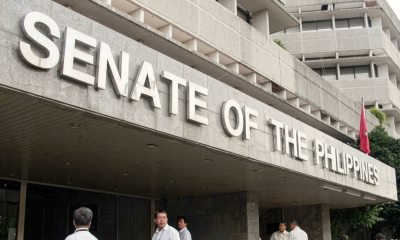
The controversy has prompted separate Senate resolutions seeking to have Jing declared persona non grata, a diplomatic designation that could lead to his recall or removal from the country.
Sen. Erwin Tulfo filed Senate Resolution No. 739 on October 19, urging the DFA to recommend the declaration. Sen. Risa Hontiveros followed on October 20 with Senate Resolution No. 746, calling on Marcos to declare the ambassador persona non grata or request his recall by Beijing.
Castro said the President would not prevent senators from pursuing their resolutions but maintained that any government response must account for its possible effects on Philippine-China relations.
She explained that although Filipinos have legitimate reasons to feel offended by the envoy’s statements, authorities also have a responsibility to protect Philippine nationals residing in China.
The Palace likewise reiterated that the administration would continue strengthening the country’s defence capabilities while considering appropriate measures to protect its territory and maritime interests.
As of October 21, Marcos had made no official announcement about a new meeting with Jing. The Palace previously said it was awaiting a DFA report following the ambassador’s summons.
Separately, Castro urged the public not to lose sight of allegations that Chinese sources may have provided funding to Vice President Sara Duterte.
She said the claims deserved further investigation because of their possible national security implications.
The allegations remain unproven, and Castro did not present evidence establishing that the vice president had received funding from China.
Meanwhile, the Philippine government has lodged its formal diplomatic protest, while proposals to expel the Chinese ambassador remain under consideration.