Canada News
B.C.’s $10-a-day child care program reaches only 10% of spaces despite NDP pledge

ASM, Philippine Canadian Inquirer
October 22, 2026

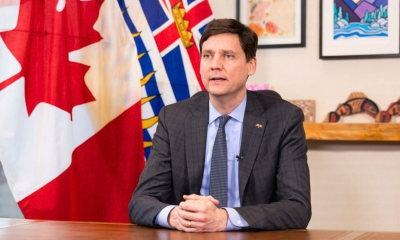
Photo courtesy: The Globe and Mail
BRITISH COLUMBIA, Canada — Nearly a decade after the BC NDP made affordable child care one of its major commitments, only about 10 per cent of licensed child-care spaces in the province are available for $10 a day, raising questions about the program’s progress as British Columbia prepares for a provincial election.
Figures cited by the $10aDay Child Care Campaign show that just over 17,000 spaces are covered by the program, leaving most families paying higher fees despite years of government investment.
The gap is particularly significant in Metro Vancouver, where child-care costs remain among the highest in Canada.
An August 2026 report by the Canadian Centre for Policy Alternatives found that the median daily fee for infant care was $52 in Richmond and $40 in Vancouver. For preschool-aged children, the corresponding fees were $42 and $32.
The province’s progress has not been without results. Since 2018, the BC NDP says it has helped create approximately 64,000 child-care spaces, increasing overall capacity by about 50 per cent. Average daily fees have also fallen from $47 to $19.
However, those improvements have not translated into universal access to the $10-a-day program, which was a central part of the party’s child-care commitments.
When British Columbia joined the federal government’s Canada-Wide Early Learning and Child Care agreement in July 2021, it committed to expanding affordable spaces and bringing average child-care fees down to $10 a day by March 2026.
That target has proven difficult to achieve.
In February 2026, the provincial government announced a pause on new enrolment into the $10 a Day ChildCareBC program while it worked to address funding and operational challenges. Existing participating families and providers were allowed to retain their arrangements.
Education and Child Care Minister Lisa Beare acknowledged that the existing funding structure could not sustain further expansion without changes.
Child-care advocates have welcomed the increase in available spaces and reductions in fees but remain concerned about the slow progress toward broader affordability.
Sharon Gregson, a spokesperson for the Coalition of Childcare Advocates of B.C., said the government had delivered meaningful improvements but had fallen short of its commitments.
Martha Friendly, executive director of the Childcare Resource and Research Unit, also argued that the priority should be ensuring affordable, quality care is available to more families across the province.
The issue has drawn renewed attention during the election campaign after BC NDP Leader David Eby confirmed that one of his children attends a $10-a-day child-care facility.
The disclosure prompted criticism from political opponents, who questioned why the premier’s family benefits from a program unavailable to many other parents.
Eby defended his family’s participation, explaining that his child was already attending the facility before it joined the subsidized program.
The BC NDP later confirmed that his family had donated $3,200 to the centre since mid-2024 and intended to contribute another $4,800 before the end of 2026.
The controversy has brought child-care affordability back into the provincial election debate.
On October 17, the BC NDP announced that a re-elected government would provide $80 million to develop 7,200 new before- and after-school child-care spaces on school grounds.
It also pledged another $250 million to expand affordable child care in cooperation with the federal government, including efforts to improve early childhood educators’ wages and establish a universal fee cap.
The BC Conservatives, meanwhile, have pledged to expand child-care availability, while criticizing the NDP’s record on delivering affordable spaces.
The BC Green Party has proposed restarting the $10-a-day program and making child care universal and free by 2031. The party has also called for higher wages for early childhood educators.
For families still struggling to secure affordable care, the central issue remains the difference between the province’s long-standing commitment and the limited number of spaces available at the promised daily rate.
With the election approaching, the next provincial government will face pressure to determine how affordable child care can reach more families without further straining the system.