Art and Culture
Dayaw 2026 showcases the living traditions and creativity of Indigenous Filipinos

Floyd Brenz., Philippine Canadian Inquirer
October 20, 2026
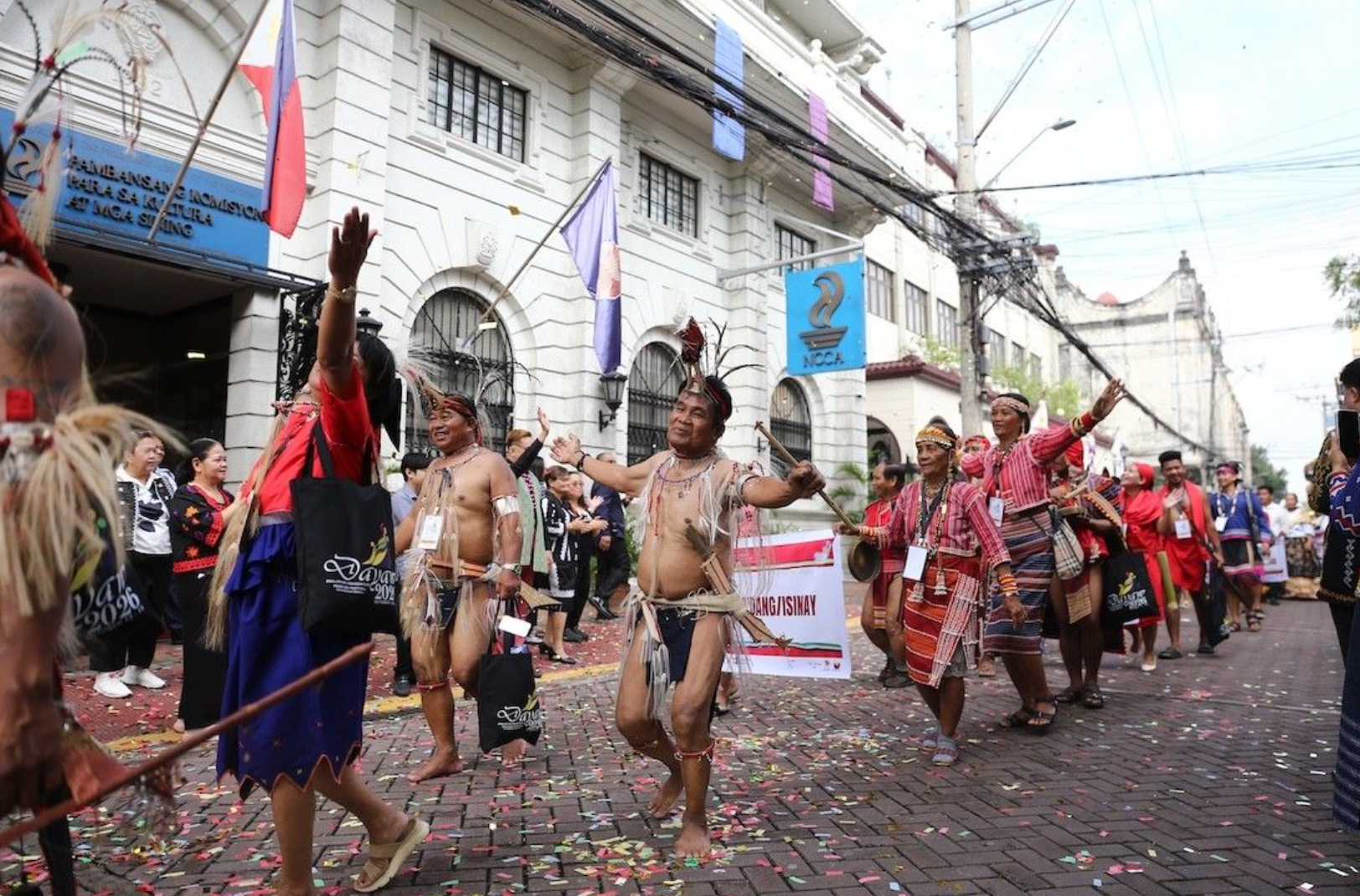
Photo Courtesy: Philstar
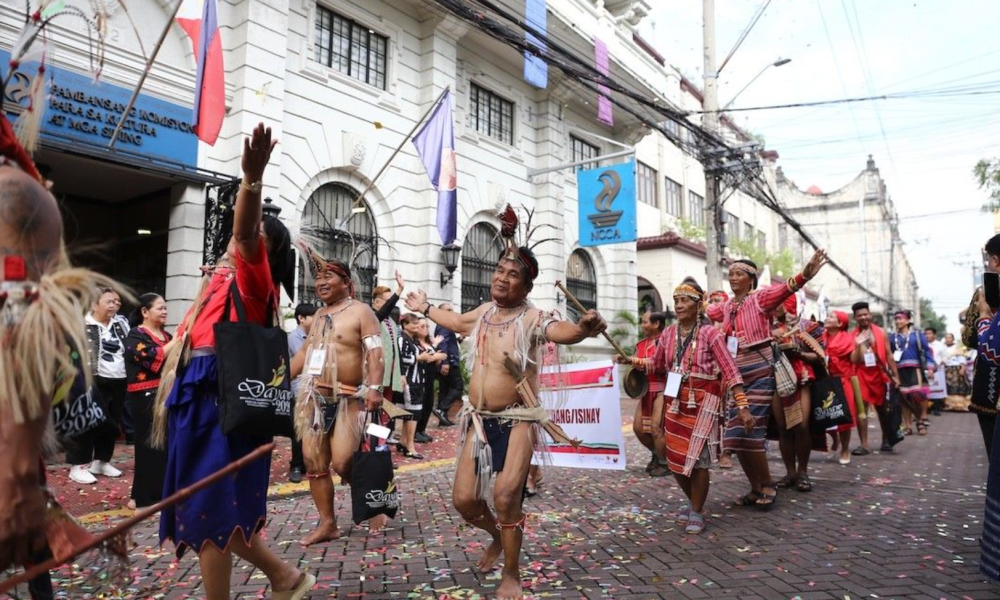
The Philippines’ rich Indigenous heritage took center stage in Manila as more than 200 cultural bearers, artists, elders and young representatives gathered for Dayaw 2026, a three-day celebration highlighting traditions that continue to shape the country’s cultural identity.
Held from October 13 to 15 at Foro de Intramuros, the annual gathering brought together representatives from 41 Indigenous Peoples community clusters across Luzon, Visayas and Mindanao. Through traditional performances, weaving, crafts, cooking demonstrations and cultural discussions, participants shared knowledge passed down through generations.
Organized by the National Commission for Culture and the Arts through its Subcommission on Cultural Communities and Traditional Arts, the festival carried the theme, “Pagkamalikhain ng Katutubong Filipino: Pinagtibay ng mga Pagsubok, Umaalab ang Bagong Pag-asa.”
The celebration featured a wide range of cultural expressions, from the Tausug pangalay dance and Iranun sagayan war dance to the traditional weaving of T’boli t’nalak, Ivatan vakul and Meranaw langkit. Visitors also experienced Indigenous culinary traditions, healing practices, rituals and community games.
Eight recipients of the Gawad sa Manlilikha ng Bayan, or National Living Treasures award, joined the gathering, offering visitors an opportunity to encounter the masters who continue to preserve the country’s traditional arts and craftsmanship.
Beyond showcasing cultural heritage, Dayaw emphasized the importance of passing Indigenous knowledge to younger generations. The festival also featured 19 Schools of Living Traditions, which help communities teach traditional skills and practices to children and young people.
Organizers stressed that Indigenous culture should not be treated merely as a remnant of the past. Its languages, artistic traditions and ancestral knowledge remain living parts of Philippine society, sustained by communities that continue to practice and develop them.
The gathering also renewed calls for greater recognition of Indigenous peoples’ rights, dignity and contributions to national identity. Organizers underscored that safeguarding cultural heritage requires the participation of government institutions, educators, artists and the wider public.
As Dayaw 2026 concluded, its message extended beyond the performances and exhibits: preserving Indigenous heritage means listening to the communities themselves and ensuring that their knowledge, creativity and traditions remain valued for generations to come.