Headline
Sara Duterte denies owning Jollibee franchise amid scrutiny of business interests

ASM, Philippine Canadian Inquirer
October 18, 2026
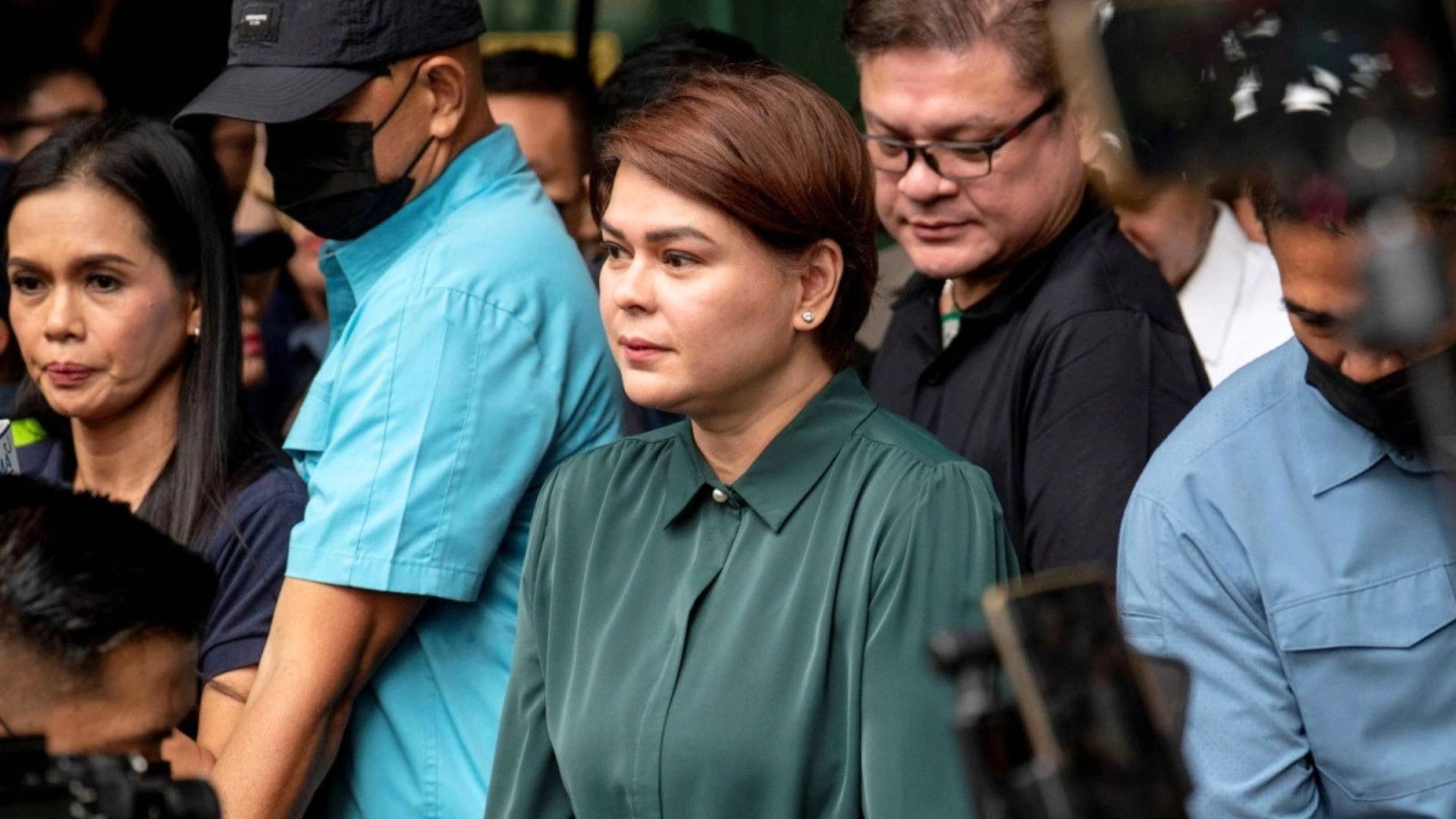
Photo courtesy: The Japan Times
MANILA, Philippines — Vice President Sara Duterte has denied owning or operating any Jollibee franchise, distancing herself from claims linking her to fast-food businesses as questions about her corporate investments continue to surface during her ongoing impeachment trial.
In a statement on Saturday, October 17, Duterte clarified that she had invested in a private company but maintained that holding shares in a corporation does not automatically make an investor the owner or operator of its individual establishments.
“I do not own a Jollibee franchise or any other franchise,” Duterte said, explaining that her previous investment involved a legitimate business organization operated by established businesspeople.
She also criticized reports that appeared to associate her directly with the company’s franchise operations, stressing the importance of verifying corporate ownership before making such claims.
Business interests examined during impeachment trial
Duterte’s clarification follows testimony presented before the Senate impeachment court examining her financial interests, including companies associated with restaurant and franchise operations in Davao City.
Among the businesses discussed was GenCorp Industries Inc., a corporation linked to Jollibee operations in the city.
During the proceedings, accountant-lawyer Alexander Cabrera, a prosecution witness, presented calculations suggesting that Duterte and her husband, Manases Carpio, had at least ₱1.5 billion in alleged unexplained wealth.
The amount was presented as part of the prosecution’s case under Article II of the impeachment complaint, which concerns allegations of unexplained wealth.
Cabrera also attributed approximately ₱212.63 million in alleged financial interests and income to Duterte, based partly on an estimated ownership stake in GenCorp.
However, during cross-examination, Cabrera acknowledged that his team had not obtained the company’s stock and transfer book, stock certificates or franchise agreements to independently establish the disputed ownership interest and its valuation.
SEC records confirm separate corporate holdings
While Duterte disputes claims that she owns fast-food franchises, Securities and Exchange Commission (SEC) documents presented during her trial have established her recorded involvement in another company, Metro City Chow Foods Corp.
On September 21, SEC Company Registration and Monitoring Department Director Gerardo Del Rosario testified that the corporation’s filings identified Duterte as a shareholder with a 20-percent stake.
The company’s General Information Sheets also continued to list her as a member of its board of directors from 2022 through 2025, covering part of her term as vice president.
During subsequent testimony, Del Rosario clarified that the SEC did not possess board meeting minutes establishing whether Duterte personally attended corporate board or compensation committee meetings.
The distinction matters because corporate shareholding, board membership and direct management of a restaurant franchise represent different forms of business involvement. Evidence of one does not necessarily establish the others.
Constitutional questions remain
Beyond the disagreement over franchise ownership, the controversy raises questions about the business restrictions imposed on high-ranking government officials.
Article VII, Section 13 of the 1987 Constitution prohibits the president, vice president and certain other executive officials from participating in business during their tenure. It also restricts their financial interests in government contracts, franchises or special privileges.
House prosecution spokesperson Rep. Zia Alonto Adiong previously argued that Duterte’s continued listing as a corporate director constituted a violation of these restrictions.
However, that remains the prosecution’s position, not a final legal determination.
Duterte, meanwhile, has maintained that her investment should not be equated with ownership or management of individual franchise outlets. She also warned that inaccurate reporting about business ownership could damage the reputation and commercial interests of legitimate enterprises.
The distinction between investing in a corporation and personally managing its operations is central to her latest statement. But it does not, by itself, settle the separate questions surrounding her declared corporate interests and compliance with constitutional restrictions.
Those issues remain part of the broader examination of her financial records and business connections in the impeachment proceedings.