Headline
Maynilad reduces dependence on Angat Dam as Metro Manila braces for El Niño

Floyd Brenz., Philippine Canadian Inquirer
October 14, 2026
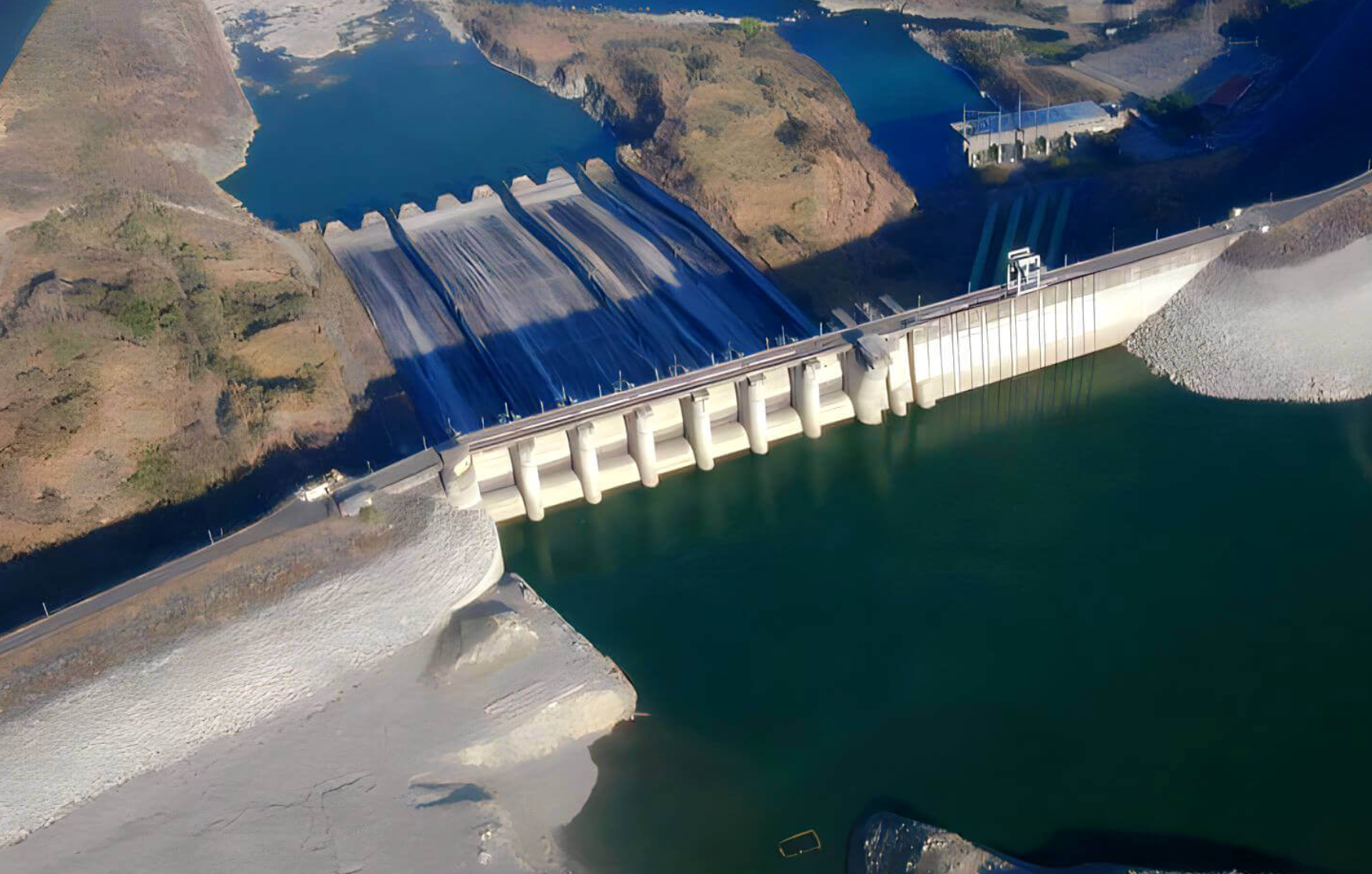
Photo Courtesy: EDCOP
As the Philippines prepares for potentially prolonged dry spells, Maynilad Water Services Inc. is strengthening its water supply system to reduce dependence on Angat Dam and help maintain service for customers in Metro Manila and nearby areas.
The west zone water concessionaire said its preparations for the anticipated El Niño include reducing water losses, expanding alternative water sources and improving treatment facilities to make the supply network more resilient during periods of limited rainfall.
Maynilad reported that it had reduced daily water losses by more than 150 million liters as of June 2026 compared with the same period last year. The company said this allows more of the available water to reach customers instead of being lost through leaks and other inefficiencies.
The utility has also diversified its sources through Laguna Lake, deep wells, modular treatment plants and NEW WATER facilities. Angat Dam, which historically accounted for all of Maynilad’s supply capacity, now represents about 83 percent, according to the company.
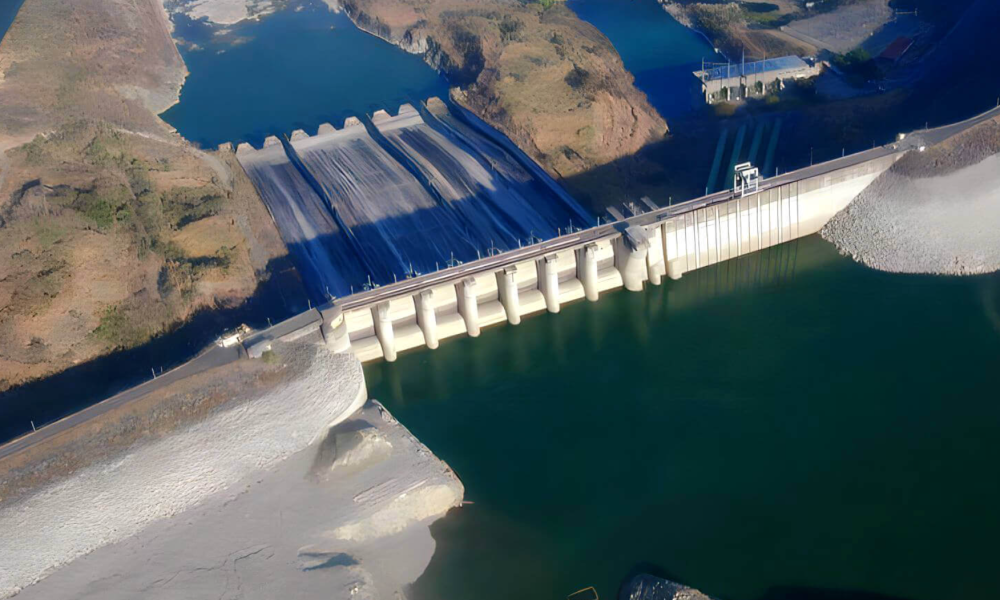
The importance of these measures became evident in July, when Angat Dam’s water level fell to 150.42 meters, below the 157.96-meter level recorded during the 2019 water crisis. Despite the drop, Maynilad said it maintained service without resorting to rotational water interruptions.
Recent rainfall has since helped Angat Dam recover to above 207 meters. However, the company said it would continue preparing for drier conditions that could constrain raw water availability in the coming months.
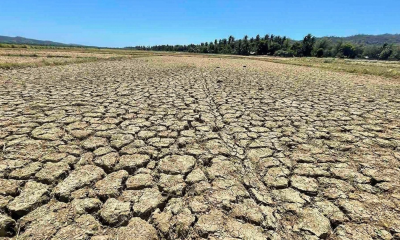
The Philippine Atmospheric, Geophysical and Astronomical Services Administration has warned that El Niño could bring below-normal rainfall beginning in October and potentially persist into the first half of 2027. The dry conditions could affect water resources, agriculture and communities across the country.
Maynilad said it would continue monitoring water sources, improving treatment capabilities and coordinating with government agencies on supply management. It also urged customers to conserve water and report leaks or illegal connections.
With the threat of a prolonged dry spell looming, the company’s strategy centers on making better use of existing supplies while developing alternatives to reduce the risks associated with relying heavily on a single source.