Canada News
Alberta’s separation referendum decades in the making as voters prepare for October 19 decision

Floyd Brenz., Philippine Canadian Inquirer
October 11, 2026
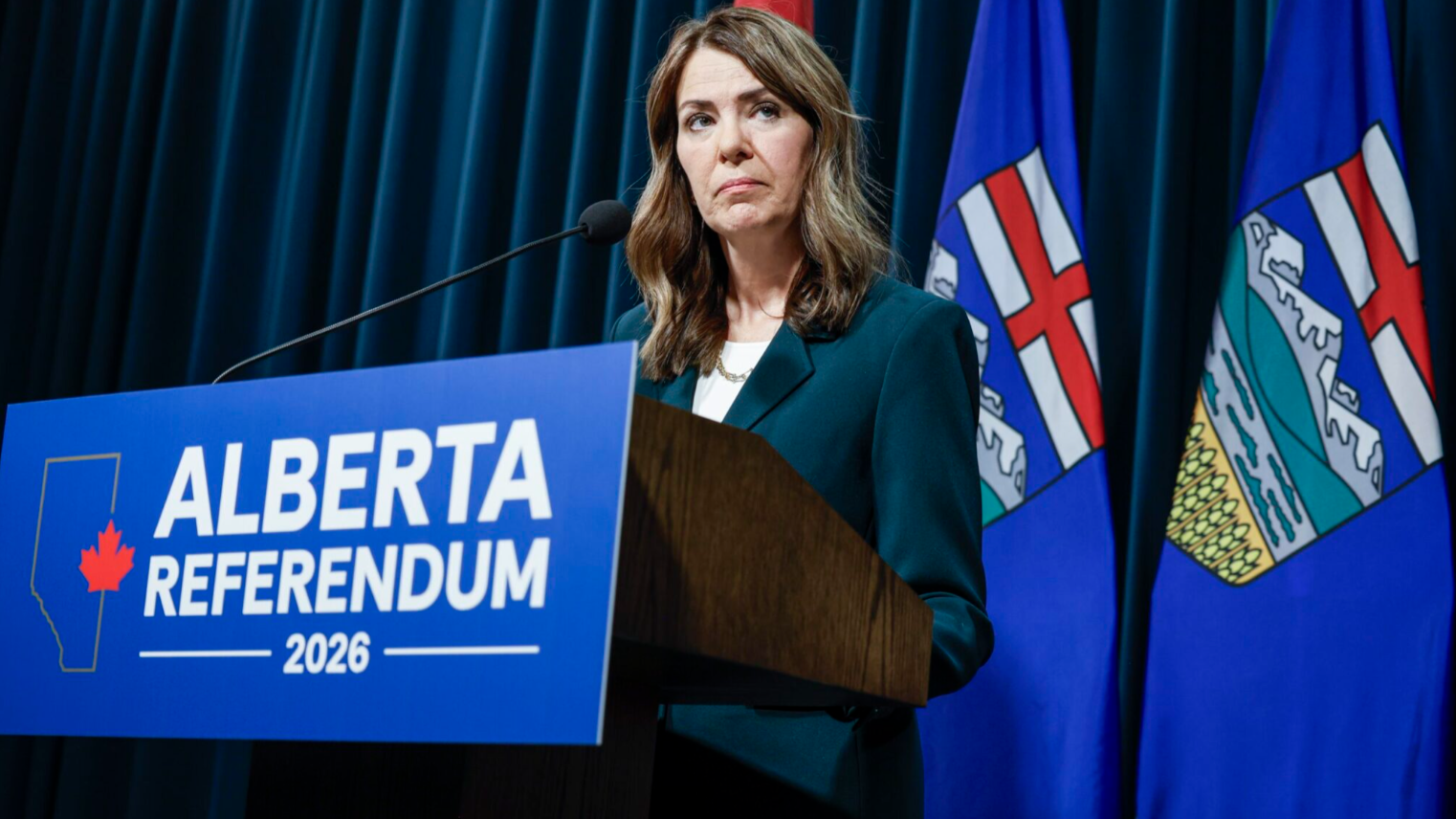
Photo Courtesy: CBC News
Alberta’s long-running tensions with the federal government have brought the province to a pivotal vote, with residents set to decide on October 19 whether to begin the process toward a second, binding referendum on leaving Canada.
The debate over Alberta’s place in Confederation stretches back decades, rooted partly in disagreements over federal energy policies, provincial autonomy and the management of the province’s oil and gas resources.
One of the defining flashpoints came in 1980, when former prime minister Pierre Trudeau’s government introduced the National Energy Program. The policy aimed to strengthen Canadian energy security and increase federal involvement in the petroleum sector, but it sparked widespread resentment in Alberta, where many viewed it as an intrusion into the province’s economic interests.
Separatist sentiment briefly gained political traction in 1982, when Western Canada Concept candidate Gordon Kesler won a provincial byelection on an independence platform. The party later secured about 12 per cent of the vote in that year’s general election but failed to win any seats.
The movement regained attention in 2019, when Jason Kenney’s United Conservative Party won power amid opposition to federal policies affecting resource development. Kenney pushed for greater provincial autonomy but continued to support Alberta remaining in Canada.
Danielle Smith succeeded Kenney as premier in 2022 and won the 2023 election. While advocating for a more autonomous Alberta within a united Canada, Smith also argued that separatists had legitimate grievances that deserved to be heard.
Tensions intensified after Mark Carney’s Liberals won the federal election in April 2025. Smith subsequently established a panel to hear Albertans’ concerns about the province’s relationship with Ottawa and said her government would respect a successful citizen-led petition calling for a separation vote.
In early 2026, separatist organizer Mitch Sylvestre and the Alberta Prosperity Project launched a petition seeking a referendum on independence. The campaign gathered enough signatures to advance, but an Alberta Court of King’s Bench judge struck down the petition in May, ruling that the government had failed to properly consult First Nations.
Smith announced a separate referendum question on May 21, arguing that Albertans should still have an opportunity to express their views. The final wording gives voters two choices: keep Alberta as a province within Canada or begin the legal process required to hold a second, binding referendum on separation.
The provincial government has also scheduled nine other referendum questions addressing immigration and constitutional issues.
The campaign has exposed divisions among Albertans, with separatists arguing that independence would give the province greater control over its future, while opponents warn of major economic, legal and political uncertainties.
A University of Calgary report commissioned by the provincial government estimated that independence could carry an initial five-year price tag ranging from $50 billion to $170 billion, depending on factors beyond Alberta’s control.
Smith has said she supports Alberta remaining in Canada, while arguing that the province’s concerns about federal policies must be addressed. Her government launched a $4-million advertising campaign in September urging residents to vote to stay in Canada.
With the October 19 vote approaching, the outcome will determine whether Alberta moves toward a second, binding referendum on separation, keeping the province’s future relationship with Canada at the centre of the political debate.