Lifestyle
When Family Ties Break: Learning to Live With Estrangement

There was a time when the idea of becoming estranged from your own family seemed almost unthinkable. Family was family. No matter how difficult things became, you were expected to forgive, forget, show up for Christmas dinner, sit at the same table, smile for the family photograph and carry on. There was an unspoken belief that blood was thicker than everything else.
But times have changed.
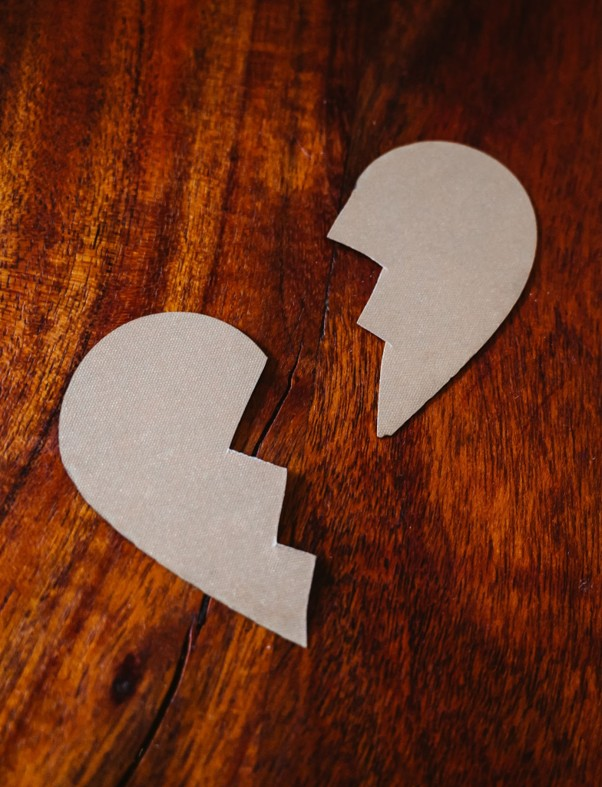
Photo courtesy of Pexels.
Today, family estrangement is far more openly discussed. People are choosing to step away from parents, siblings, children and other relatives. Some gradually reduce contact. Some establish strict boundaries. Others eventually decide that no contact is the healthiest option for them.
And while every family estrangement is different, I believe there is one thing we should remember: there are usually two sides to every family story.
We may never know the whole truth.
When a family breaks apart, it is tempting for outsiders to decide who is the villain and who is the victim. But family relationships are complicated. Hurt accumulates over years. Old resentments become new arguments. Traumatic childhood experiences influence adulthood. Misunderstandings become permanent wounds. Sometimes both people feel betrayed. Sometimes both believe they are the one who has been wronged.
In other words, two parties can both be right about how they feel—and both be wrong about how they handled the situation.

Photo courtesy of the author.
We see highly publicized examples of family estrangement in the news and popular culture. Prince Harry and Prince William have experienced a very public family rift. Meghan Markle’s relationship with her father has also been the subject of intense public attention. More recently, Brooklyn Beckham and Nicola Peltz’s relationship with the Beckham family has generated considerable speculation and media coverage. Jennifer Aniston remained estranged from her mother even following her mother’s death.
But what happens behind closed doors is something outsiders can never completely know.
And perhaps that is exactly the point.
Some Things Should Remain Private
The part of family estrangement that I find most uncomfortable is not necessarily the estrangement itself. Sometimes people genuinely need distance from relatives to protect their peace, emotional well-being and sense of self.
What makes me uncomfortable is when a private family conflict becomes public entertainment.
Tell-all interviews. Explosive memoirs. Social-media statements. Carefully crafted accounts explaining who did what to whom. Stories that present one person as completely innocent while the other is portrayed as the villain.
I understand the temptation.
When someone has hurt us, there can be an overwhelming desire to tell our side of the story. We want people to understand. We want validation. We want someone to say, “You’re right. They were wrong.”
But sometimes the most dignified response is not to tell your side. Sometimes it is to say nothing.
Keep mum.

Photo courtesy of Pexels.
Not because you have nothing to say, but because you understand that saying everything may only create another chapter in a story that already has too many.
There is an old saying: Don’t air your dirty laundry in public.
I still believe there is wisdom in that.
If a relationship has reached the point where two parties can no longer communicate without hurting each other, broadcasting the conflict rarely repairs it. More often, it throws gasoline onto an already burning fire. And once words are published, recorded or posted online, they cannot easily be taken back.
Estrangement Doesn’t Always Mean Someone Is a Monster
There is also something important we need to understand about estrangement: choosing distance does not necessarily mean the other person is evil.
Sometimes people simply bring out the worst in one another. There may be years of unresolved childhood pain. There may be criticism, manipulation, resentment, jealousy, control or repeated boundary violations. There may be a history of feeling unheard or disrespected.
And sometimes being around certain family members takes you back to a version of yourself you have worked very hard to leave behind.

Photo courtesy of Pexels.
You become angry. Defensive. Anxious. Reactive. You don’t recognize yourself. That is when distance can become necessary. Not every relationship can be repaired. Not every apology changes a pattern. Not every family member is capable of giving you the relationship you wish you had.
And accepting that reality can be heartbreaking. But it can also be liberating.
You don’t have to hate someone to stop having a relationship with them. You can wish someone well and still know they cannot be part of your life. You can forgive someone without inviting them back into your home. And you can mourn the family relationship you wished you had without continuing to participate in a relationship that harms you.
How Do You Cope With Family Estrangement?
- Accept that you cannot control the other person’s version of the story.
This may be one of the hardest lessons.
The other person may tell their friends a completely different version of what happened. They may believe they were the victim. They may never understand why you walked away.
You cannot control that. You can only control your own behaviour. Let them have their version. You don’t have to spend the rest of your life campaigning for yours.
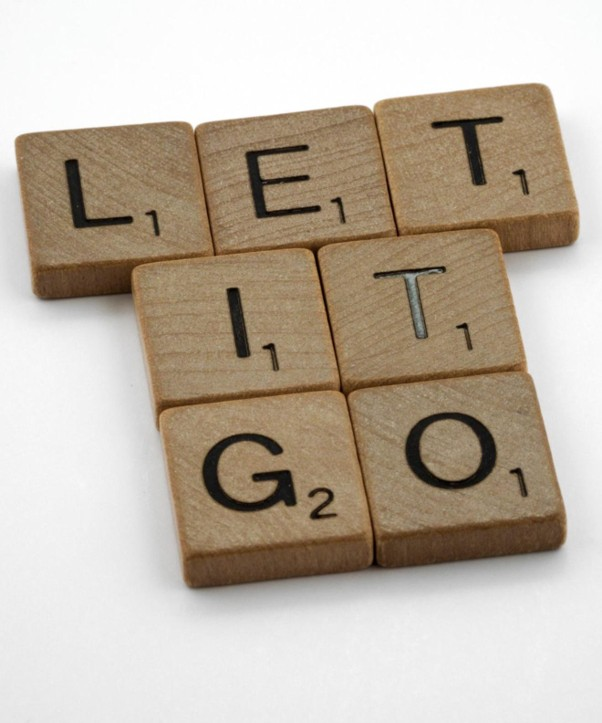
Photo courtesy of Pexels.
- Stop trying to get everyone to understand.
When a family breaks apart, there can be an enormous temptation to explain yourself to everyone. Don’t. You don’t owe every relative, friend or acquaintance a detailed explanation of your private family problems. A simple, “We’re taking some space from each other, and I prefer to keep family matters private,” can be enough.
Privacy is not a weakness. Sometimes privacy is strength.
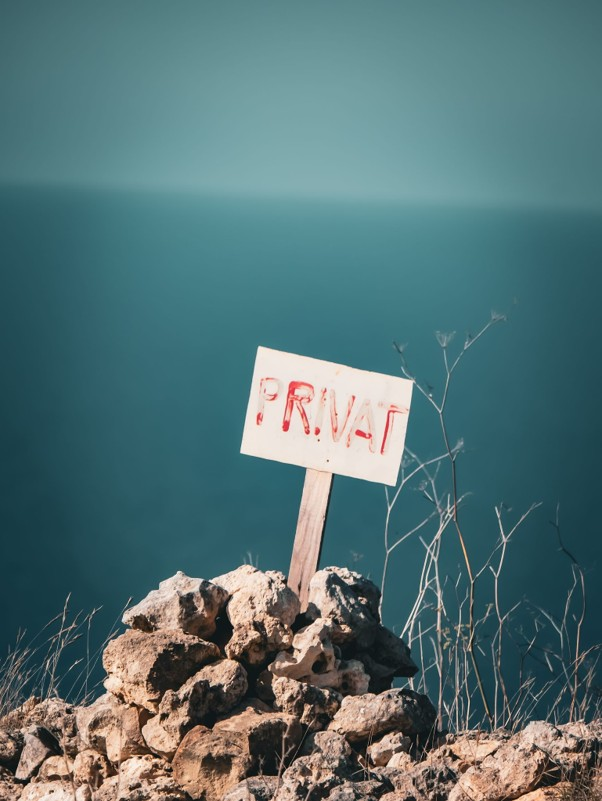
Photo courtesy of Pexels.
- Give yourself permission to grieve.
Even when estrangement was your decision, you can still be sad.
You are not grieving only the person(s). You may be grieving the relationship you hoped you would have. Allow yourself to grieve without interpreting grief as a sign that you made the wrong decision.

Photo courtesy of Pexels.
- Don’t use social media as your therapy room.
This one is particularly important today. When emotions are high, posting can feel therapeutic for about five minutes. Then reality sets in. Screenshots exist. People talk. Family members respond. Mutual friends become uncomfortable. A private conflict becomes public.
If you need to release your emotions, write the letter—but don’t necessarily send it. Keep a journal. Talk to someone you trust. Speak to a therapist if necessary. Sometimes the healthiest post is the one you never publish.

Photo courtesy of Pexels.
- Build a life that doesn’t revolve around the estrangement.
Your life is bigger than this one relationship. Spend time with people who make you feel safe. Enjoy your marriage, your children, your friends, your hobbies and your everyday routines.
Cook dinner.
Take a walk.
Travel.
Read.
Laugh.
Celebrate birthdays.
Watch sunsets.
Create new traditions.
The goal is not to spend the rest of your life discussing the people you no longer speak to. The goal is to eventually realize that you went an entire day without thinking about the conflict.
Then a week.
Then perhaps a month.
And suddenly, life has become peaceful again.

Photo courtesy of Pexels.
The Benefits of Estrangement
Of course, estrangement isn’t automatically healthy simply because it is estrangement. Sometimes reconciliation is possible and worthwhile. Sometimes boundaries and limited or no contact at all are enough.
But when a relationship is genuinely damaging and repeated attempts at healthier interaction have failed, distance can have many benefits.
Peace. You no longer wake up wondering what argument is coming next.
Emotional stability. You have fewer situations that trigger old wounds and reactions.
Stronger boundaries. You learn that saying “no” is not cruelty.
Better relationships elsewhere. When you’re no longer consumed by one toxic relationship, you may have more emotional energy for the people who treat you well.
A stronger sense of self. You can begin separating who you actually are from the role you played inside your family.
Freedom from constant conflict. Not every phone call needs to become an argument. Not every family gathering needs to become a source of dread.
And perhaps most importantly, you can begin creating a life based on who you are today rather than who your family expected you to be.
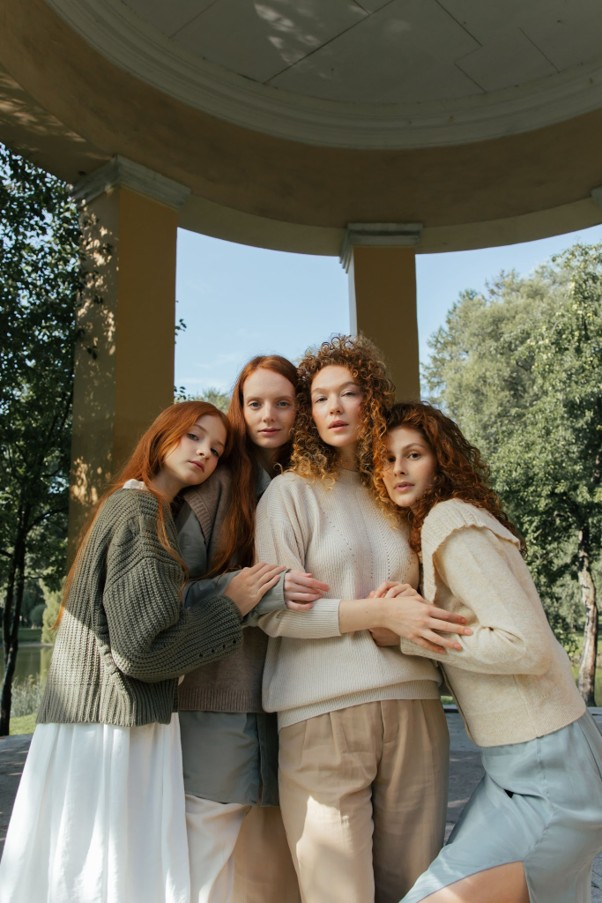
Photo courtesy of Pexels.
Create Your Own Family
Perhaps one of the greatest lessons I’ve learned about relationships is that family doesn’t always have to be defined by blood.
Sometimes you have to create your own.
Your chosen family can be the friends who show up when life gets difficult. The couple who always has a place for you at their dinner table. The friend who knows when something is wrong without you saying a word. The people who celebrate your successes without jealousy. The people who respect your boundaries. The people who don’t make you feel like you have to walk on eggshells. The people who accept you as you are. These people can become family.
And sometimes, a chosen family can be more nurturing, loving and emotionally safe than the family you were born into. There is nothing sad about that. There is something beautiful about realizing that we are allowed to build our own circle.

Photo courtesy of Pexels.
Choose Peace Over Proving a Point
There is something very powerful about refusing to participate in a public family war.
You don’t have to expose anyone. You don’t have to collect evidence. You don’t have to convince the world that you were right. You don’t have to answer every accusation. You don’t have to respond to every social-media post. You don’t have to write a book explaining everything that happened.
Sometimes you simply walk away. Quietly. With dignity. And you let time tell the story. Because ultimately, the purpose of estrangement should not be revenge. It should be peaceful.
If someone is no longer healthy for your life, removing yourself from the relationship does not have to be an act of hatred. It can be an act of self-preservation.
And if you are fortunate enough to have family relationships that are loving, respectful and healthy, cherish them. Don’t take them for granted.
But if you find yourself estranged from someone you once loved, remember this:
You are allowed to grieve.
You are allowed to set boundaries.
You are allowed to protect your peace.
You are allowed to move forward.
And you are allowed to keep your private family matters private.
Not every battle needs an audience.
Not every wound needs a public explanation.
Not every ending needs a villain.
Sometimes two parties simply reach a point where they can no longer be good for each other. And sometimes the most mature thing they can do is stop fighting, stop talking about each other, and quietly go their separate ways.
There is no shame in choosing peace.
Sometimes, silence isn’t a weakness.
Sometimes, silence is the final boundary.