Headline
PH risk from suspected pneumonic plague in Russia ‘almost zero’ — expert

ASM, Philippine Canadian Inquirer October 09, 2026
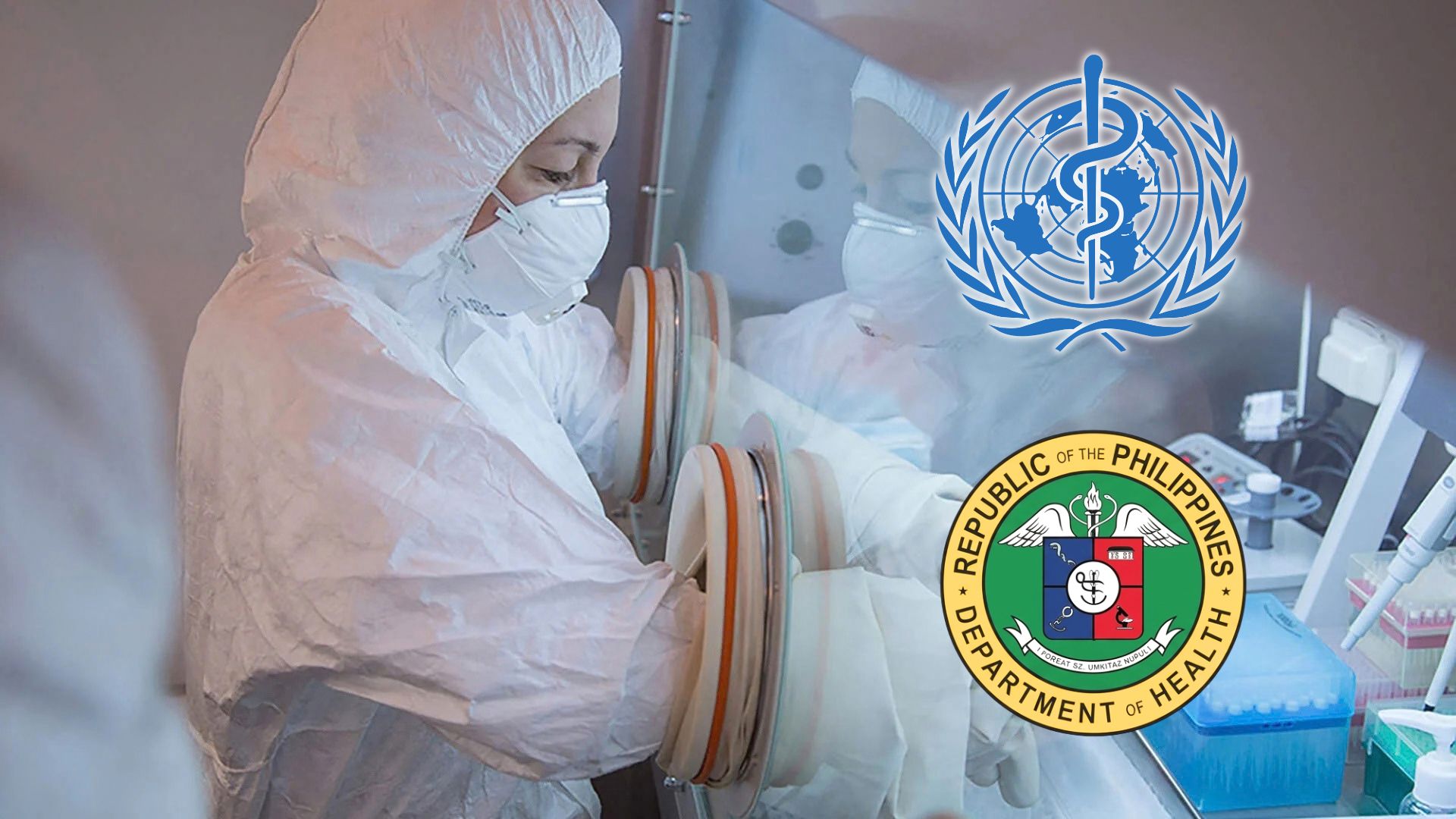
Photo Courtesy: Luxembourg Times
MANILA, Philippines — Filipinos should not panic over reports of a possible pneumonic plague case in Russia, with an infectious disease specialist saying the chance of the disease spreading internationally to the Philippines is extremely low and “almost bordering on zero.”
Dr. Rontgene Solante said the situation does not currently warrant alarm, particularly because Russian health authorities have not confirmed pneumonic plague in the case that triggered international concern.
The concern began after a 28-year-old employee of the Irkutsk Anti-Plague Research Institute in Siberia died following severe pneumonia. Initial reports raised questions about possible exposure to plague bacteria, but Russia has told the World Health Organization that no plague case has been reported in the Irkutsk region. About 200 contacts were placed under quarantine as a precaution.
The WHO, however, said it is still seeking additional laboratory results and information from Russia to clarify what happened. As of its Oct. 7 briefing, the agency said it did not yet have enough information to conduct a complete risk assessment of the incident.
Solante explained that while international travel can allow infectious diseases to cross borders, pneumonic plague remains uncommon. The disease is caused by the bacterium Yersinia pestis, which is typically associated with infected rodents and fleas.
Unlike bubonic plague, pneumonic plague affects the lungs and can spread directly between people through infected respiratory particles. European health officials note that transmission generally requires close and prolonged contact with a symptomatic infected person, and there is currently no evidence of sustained person-to-person transmission linked to the Russia incident.
Pneumonic plague is serious if left untreated, but it is treatable with antibiotics when detected early. Symptoms can include sudden fever, weakness, coughing, shortness of breath and chest pain, with some patients developing bloody or watery sputum.
The Department of Health (DOH) has meanwhile said it is closely following developments and WHO recommendations. The Bureau of Quarantine continues to screen travelers based on travel history and health conditions, while surveillance for rodents and fleas is also conducted on incoming vessels and cargo.
For now, there is no confirmed pneumonic plague outbreak linked to the Siberia incident and no confirmed case in the Philippines. The DOH said it will continue monitoring developments and take additional measures if necessary.