Canada News
Stelco layoffs put Hamilton steelworkers on edge as job cuts take effect

Floyd Brenz., Philippine Canadian Inquirer
October 08, 2026
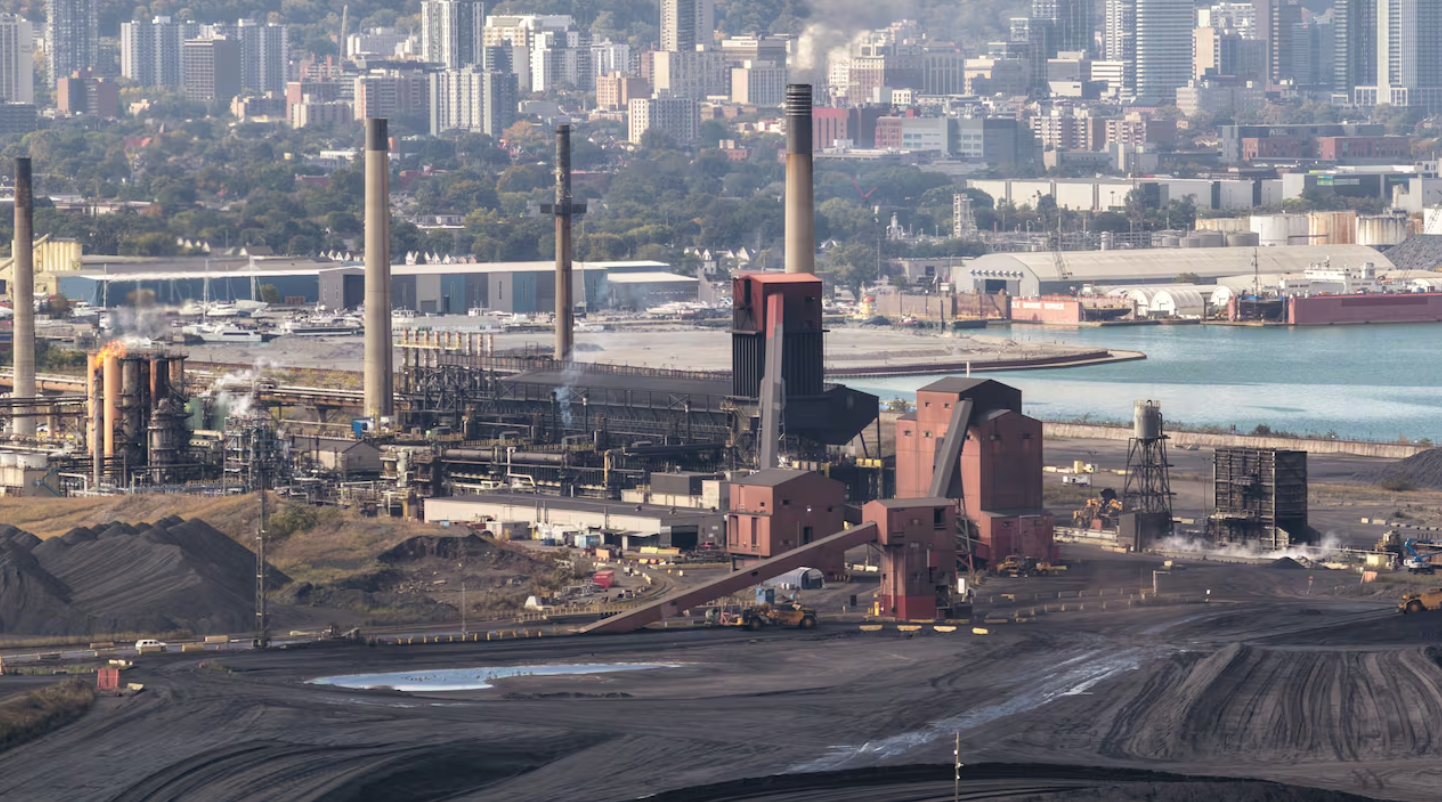
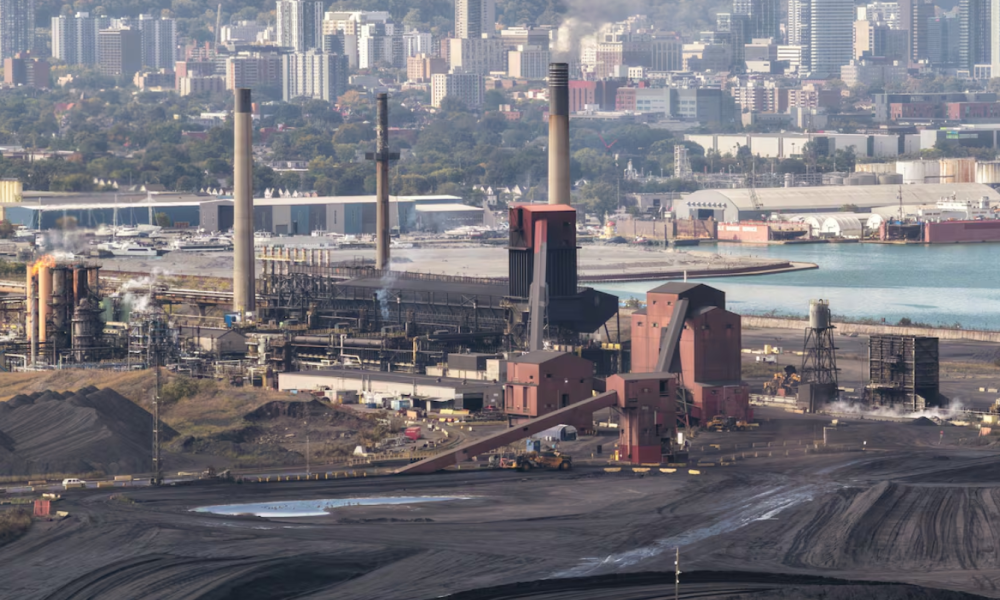
Photo Courtesy: CBC News
Hundreds of steelworkers in Hamilton are facing layoffs as Stelco begins winding down parts of its operations, adding to growing uncertainty for workers caught in the Canada U.S. trade dispute.
The company is set to indefinitely idle its cold rolled and coated steel operations at Hamilton Works beginning October 9. Up to 500 employees across its Hamilton and Lake Erie facilities could be affected, while the United Steelworkers union estimates about 350 Hamilton workers will lose their jobs.
Stelco has blamed the decision on weak demand, continued imports and the impact of U.S. tariffs on Canadian steel. The company says it will shift production toward its Lake Erie Works facility in Nanticoke and expects some affected workers to take positions there.
The union, however, says the number of available positions at the Nanticoke facility is far smaller than the number of Hamilton workers facing layoffs. It has also questioned the company’s explanation for the cuts, pointing to the public support of Cleveland Cliffs CEO Lourenco Goncalves for U.S. steel tariffs.
The layoffs are also putting pressure on the federal government. Cleveland Cliffs acquired Stelco in 2024 under conditions that included commitments to maintain employment levels. Industry Minister Mélanie Joly has warned that Ottawa could take legal action if the company fails to meet those obligations.
The federal government has also said it offered financial assistance to Stelco to help protect jobs, while Ontario officials said the company did not pursue provincial tariff relief.
For workers, the immediate concern is how long the layoffs will last and whether alternative jobs will be available. Union officials have said employees have been left with little certainty about what comes next as the Hamilton operations are scaled back.
The Stelco situation highlights how the prolonged trade tensions surrounding Canadian steel are increasingly reaching workers and industrial communities, with Hamilton now facing another major disruption to its manufacturing sector.