Headline
Russian schools use patriotism lessons to promote sacrifice for the country

Floyd Brenz., Philippine Canadian Inquirer
September 27, 2026
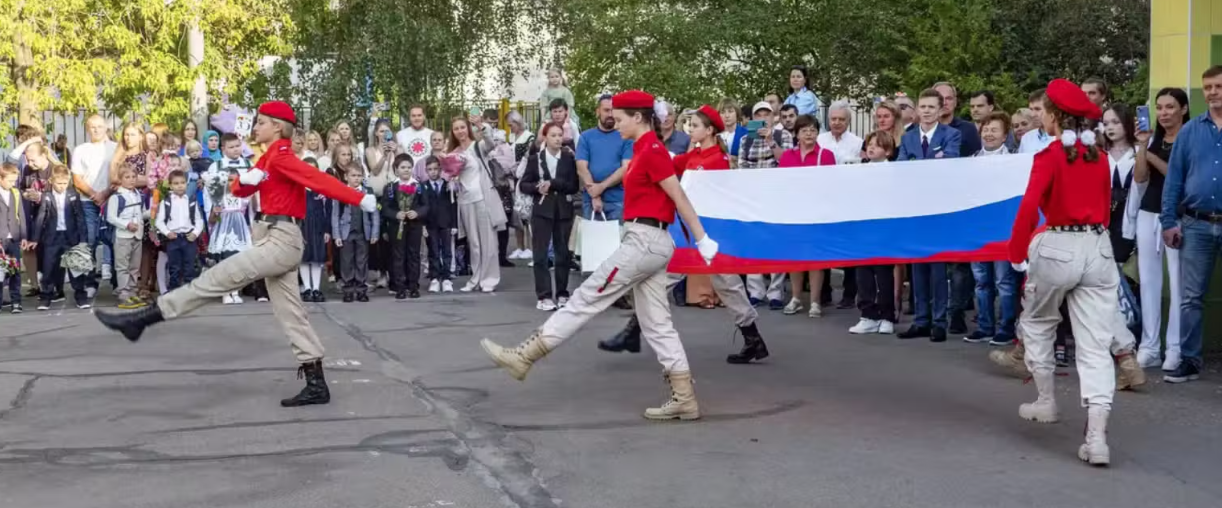
Photo Courtesy: Konstanin Kokoshkin
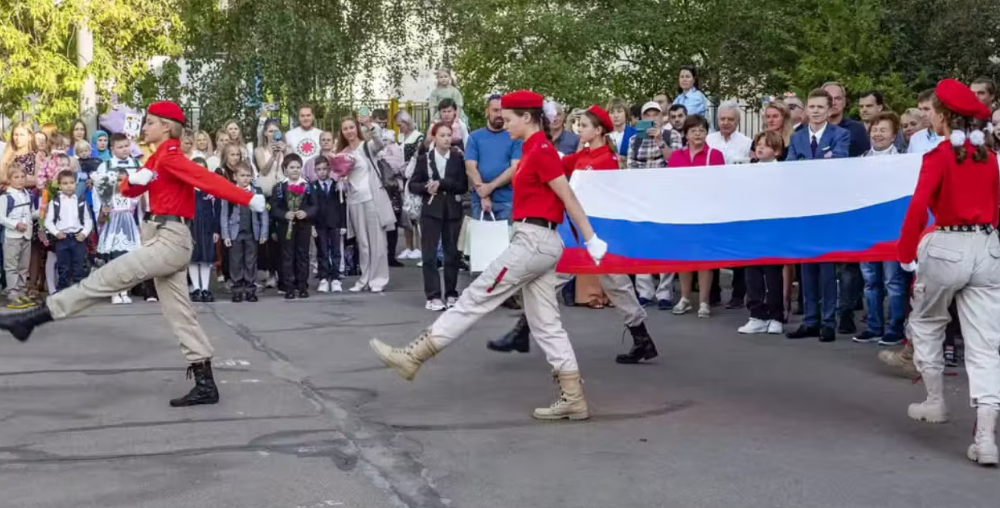
Russia is increasingly using its education system to promote state-sponsored patriotism, with students being taught about military service, sacrifice and the war in Ukraine.
A report by Deutsche Welle found that some schools in Novosibirsk are using a textbook on spiritual, moral and patriotic education that tells students they should be prepared to sacrifice their lives for their country.
The material, distributed earlier this year, repeatedly presents dying for the homeland as a form of honor and sacrifice. It also portrays Russia as superior to Western countries while making negative claims about European societies and Western culture.
Patriotism has become a more prominent part of Russia’s school curriculum since 2022, including weekly “Conversations about Important Things” sessions and lessons covering homeland security and defense. Students are also exposed to visits from war participants and other activities promoting military themes.
Some students interviewed by DW, however, said they do not accept the messaging. Two 16-year-old students in Novosibirsk said they questioned the government’s narrative about the war and expressed concerns about restrictions on information and freedom of expression.
The development has also drawn criticism from human rights groups. Amnesty International said Russia’s education system has increasingly relied on propaganda-filled materials, surveillance and restrictions on independent thinking to promote state ideology and justify the war in Ukraine.
The accounts suggest that Russia’s effort to shape young people’s views extends beyond traditional classroom lessons, with schools becoming part of a broader campaign to promote patriotism, military service and loyalty to the state.
For some Russian students, however, those lessons appear to be having the opposite effect, prompting questions about the war, government policies and whether they want to remain in the country after graduation.