News
From island escapes to a rising tourism powerhouse

Floyd Brenz., Philippine Canadian Inquirer
September 26, 2026

Photo Courtesy: Pexels
For years, the Philippines has sold the world a familiar picture of tourism: white-sand beaches, island sunsets, colorful festivals and warm Filipino hospitality.
But beyond the postcards and crowded tourist spots, something bigger may be taking shape.
The Philippines is now part of a group of 10 major emerging tourism economies that the World Economic Forum says are helping drive the next wave of global travel and tourism growth.
The 2026 Travel and Tourism Development Index places the Philippines alongside China, India, Indonesia, Malaysia, Thailand, Vietnam, Türkiye, Mexico and Brazil. Together, these economies already account for more than 28 percent of global direct travel and tourism GDP, a share projected to reach 35 percent by 2035.
What makes the shift notable is the pace of their progress. Since 2019, the 10 economies have increased their average TTDI score by 4.7 percent, compared with 2.9 percent growth for the global index and 1.9 percent among the world’s 20 leading economies.
The gains are not simply about having beautiful places to visit.
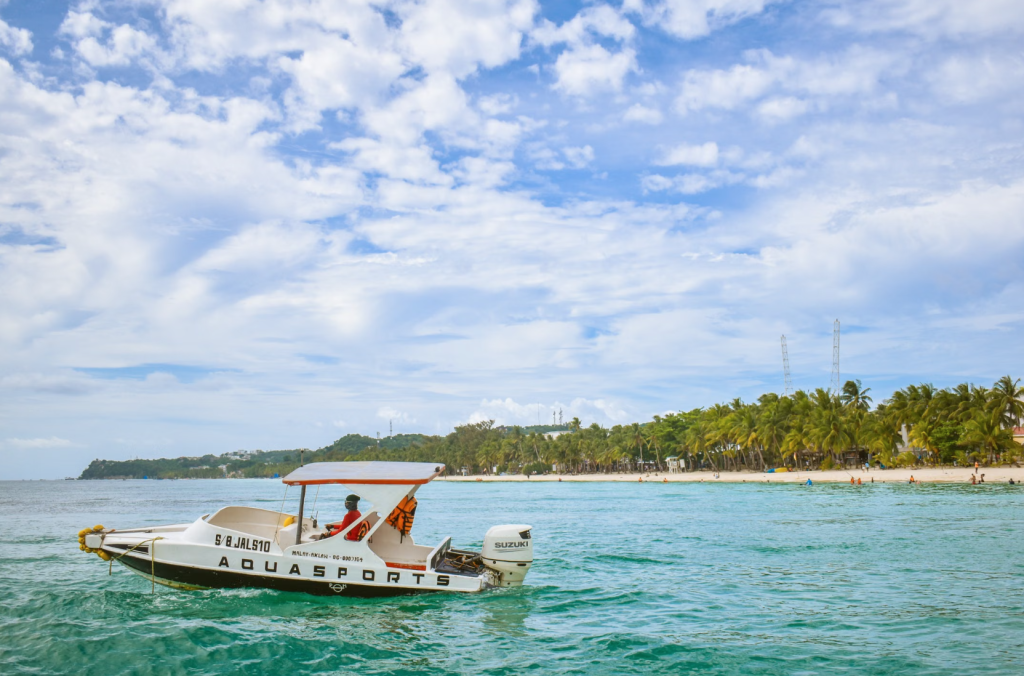
Photo Courtesy: Pexels
The WEF found that emerging destinations are performing strongly in areas such as price competitiveness, natural resources, cultural resources and tourism demand sustainability. They are also gradually closing long-standing gaps in areas including digital readiness, safety and security, and air transport infrastructure.
Across the Asia-Pacific, that momentum is even more visible. The region recorded the largest average improvement in the 2026 index, with seven of the world’s 10 most-improved economies coming from developing countries in South and Southeast Asia.
For the Philippines, however, the numbers also point to a challenge.
Natural attractions and cultural resources can draw travelers in, but tourist services, infrastructure, business conditions, workforce development and environmental sustainability will help determine whether that interest can translate into long-term tourism growth.
The WEF’s findings offer a picture of a tourism landscape that is gradually changing. The world’s established tourism leaders remain at the top of the rankings, but developing economies are narrowing some of the gaps.
And for the Philippines, the bigger story may be this: the country is moving beyond being known simply as an island escape and becoming part of the group shaping where global tourism goes next.