Headline
The Chinese guerrillas who fought for Philippine freedom in World War II

ASM, Philippine Canadian Inquirer
September 16, 2026
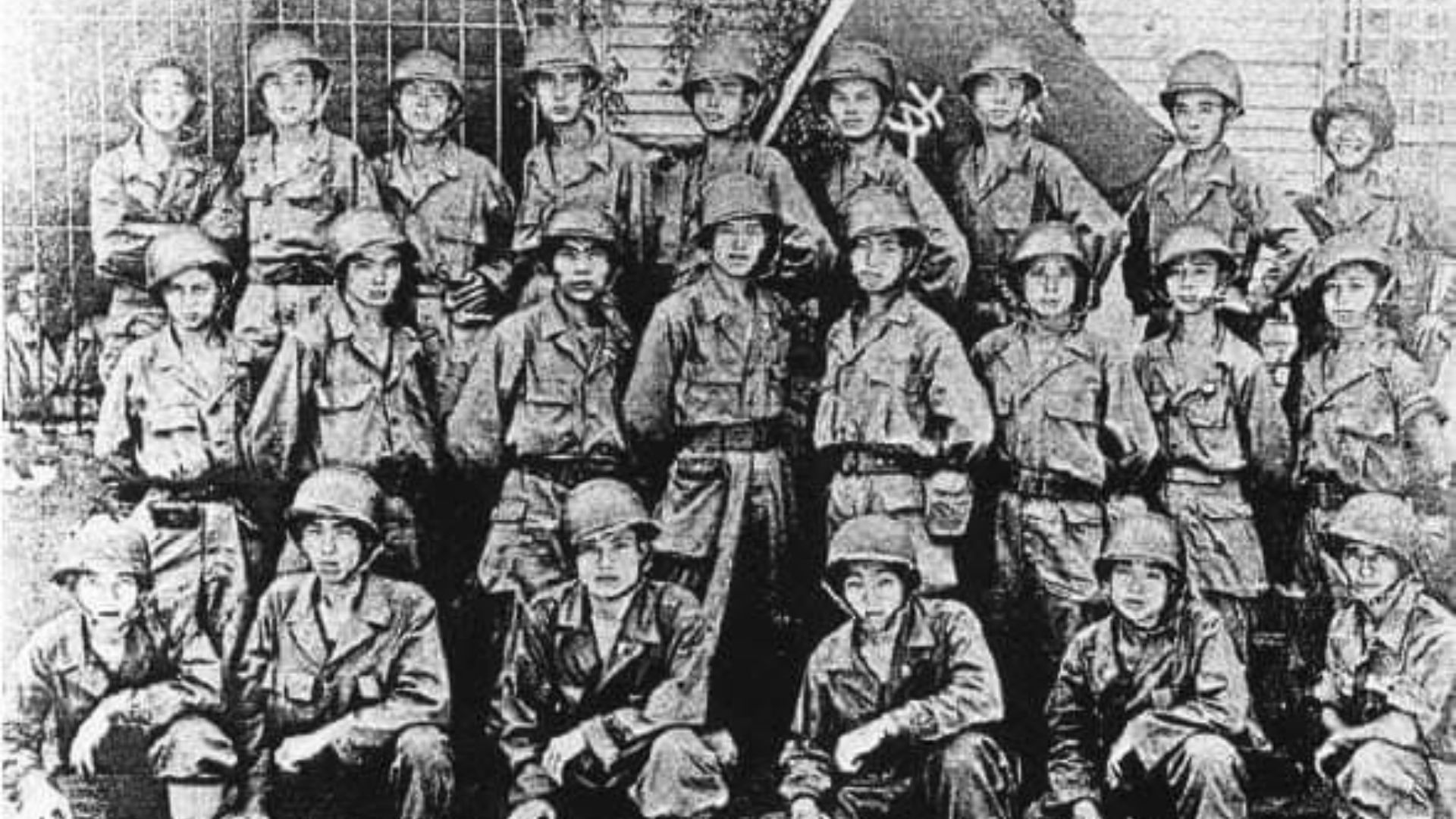
Photo courtesy: Memories of Old Manila & Beyond
The Philippines’ liberation from Japanese occupation was not fought by Filipinos and Americans alone.
Hidden in the mountains, farms, and towns of Luzon was another resistance force–young Chinese migrants, workers, and members of the local Chinese community who took up arms against the same enemy that had already devastated their homeland.
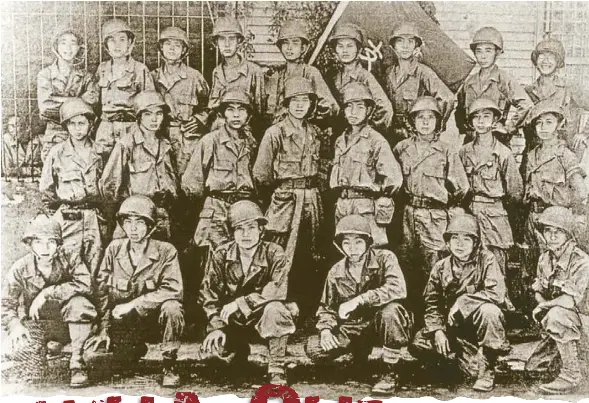
WHA CHI FIGHTERS: Members of the Chinese-Filipino resistance who fought Japanese occupation forces during World War II. – PressReader
Many had come to the Philippines looking for work and a better life. Some were still teenagers or in their early 20s when war reached their doorstep.
By 1942, they were no longer simply immigrants trying to survive.
They had become guerrillas.
Their force was known as Wha Chi, one of the lesser-known armed groups that joined the resistance against Imperial Japan and eventually fought alongside Filipino guerrillas and Allied forces in the campaign to liberate the Philippines.
Officially known as the Philippine-Chinese Anti-Japanese Guerrilla Force, Wha Chi would grow from a small, poorly armed unit into an organized resistance force operating across several parts of Luzon.
Its story is one of the overlooked chapters of World War II in the Philippines–and a reminder that the fight for Philippine freedom brought together communities whose wartime contributions are not always remembered in the same way.
For many Chinese, the war had begun years earlier
To understand why members of the Chinese community took up arms in the Philippines, the story has to begin before Japan attacked the country in December 1941.
Japan and China had already been at war for years. Full-scale fighting between the two countries erupted in 1937, bringing devastation to large parts of China.
Chinese communities overseas closely followed the conflict. In the Philippines, political organizations, labor groups and other associations mobilized around the anti-Japanese cause even before Japanese troops occupied Manila.
For many Chinese living in the Philippines, Japan’s invasion therefore represented something painfully familiar.
The same imperial power that had attacked the country they came from was now occupying the country where they lived, worked and built their futures.
Resistance became both a fight against occupation and, for many, a continuation of a struggle that had already begun in China.
From refugees to Squadron 48
After Manila fell, Chinese residents who fled toward Central Luzon eventually connected with anti-Japanese forces operating in the countryside.
On May 19, 1942, Wha Chi was formally organized and designated Squadron 48.
The number carried symbolic meaning. According to the National Historical Commission of the Philippines, it honored China’s New Fourth Army and Eighth Route Army, two forces known for fighting Japanese troops in China.
Huang Chieh became Wha Chi’s first commander, while Chai Chien Hwa served as political commissar.
The group did not begin as a powerful military force.
Historical accounts describe an original core of only 52 fighters, equipped with just a few firearms. They had to recover abandoned weapons, improvise equipment and rely heavily on what could be found or supplied by sympathetic communities.
But the disadvantages also shaped how they fought.
Rather than confronting the Japanese as a conventional army, Wha Chi trained for guerrilla warfare—moving through forests and rural communities, striking when opportunities emerged and disappearing before stronger enemy forces could respond.
They also built relationships with other resistance organizations, particularly the Hukbalahap, which had developed a strong base among farmers and communities in Central Luzon.
A resistance force could not survive alone
The survival of Wha Chi depended on far more than rifles and ammunition.
Guerrillas needed food. They needed medicine. They needed places to hide and people willing to warn them when Japanese soldiers were approaching.
That made civilians an essential part of the resistance.
Accounts preserved by veterans and their descendants describe Filipino villagers helping Wha Chi fighters with food, shelter and intelligence, despite the severe risks of being caught assisting guerrillas.
The relationship reveals an important part of the group’s history.
Although Wha Chi emerged from the Chinese community, its war was not fought in isolation. Its members operated among Filipino communities and increasingly became part of the wider resistance network fighting Japanese occupation.
That support helped the group move beyond its early base in Pampanga.
The NHCP records Wha Chi operations in areas including Tarlac, Pampanga, Rizal, Laguna and Camarines Norte, sometimes fighting independently and sometimes alongside Filipino guerrilla organizations.
Over time, the small force expanded significantly. Historical accounts from Wha Chi veterans and descendants place its wartime strength at roughly 700 fighters organized into several squadrons.
The battle for Sta. Cruz
One operation would become particularly important to Wha Chi’s place in Philippine history.
On January 26, 1945, Wha Chi fighters joined Hukbalahap and Hunters ROTC guerrillas in an attack against Japanese forces occupying Sta. Cruz, Laguna.
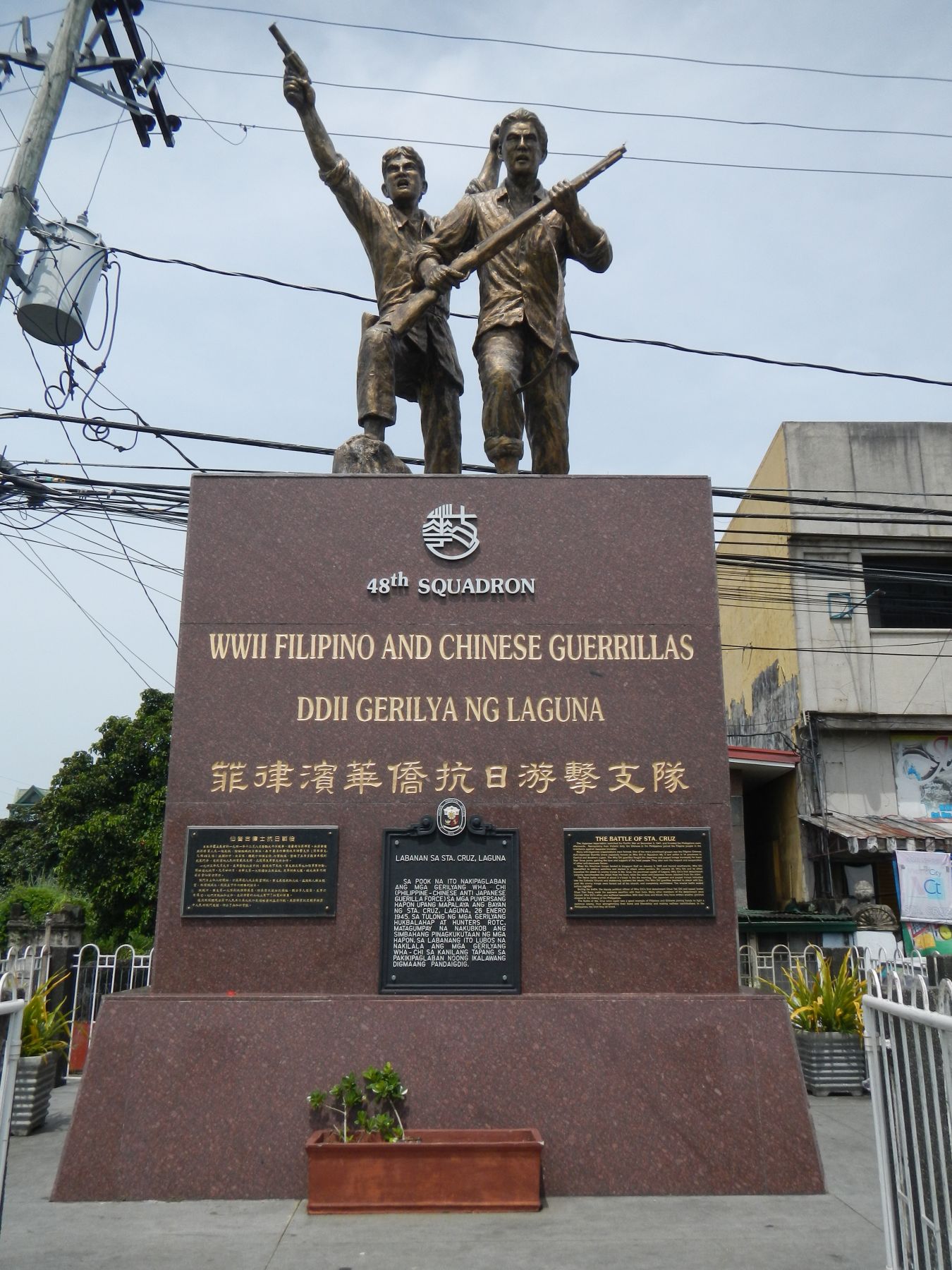
BATTLE OF STA. CRUZ: A historical marker commemorates the Wha Chi, Hukbalahap and Hunters ROTC guerrillas who fought Japanese forces in Sta. Cruz, Laguna on January 26, 1945. – Mapcarta
Japanese troops had established defensive positions in the town, including inside the church.
The resistance forces surrounded their positions and fought to dislodge them in a battle that became one of Wha Chi’s most remembered wartime engagements.
The operation would later receive official historical recognition.
Today, an NHCP marker in Sta. Cruz records the participation of Wha Chi and its Filipino allies and commemorates the role the Chinese guerrillas played in the fighting.
But Sta. Cruz was only one part of their contribution.
From guerrilla warfare to liberation
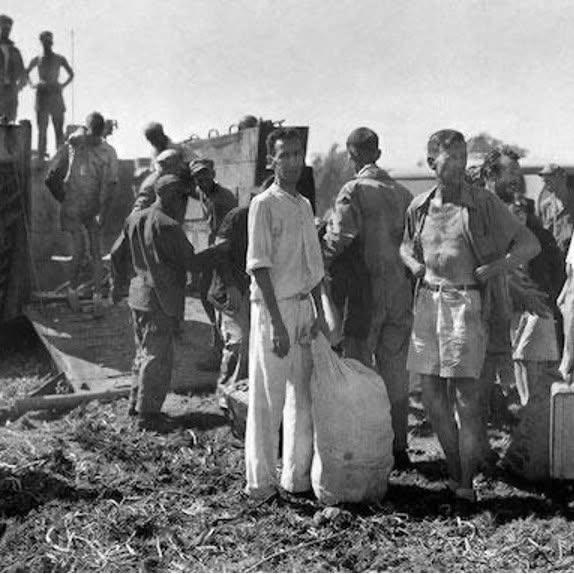
LOS BAÑOS LIBERATION: Freed civilian internees leave the Los Baños camp following the February 23, 1945 rescue operation, in which Wha Chi was among the guerrilla forces involved. – National Infantry Museum
By early 1945, the course of the war in the Philippines had changed dramatically.
American forces had returned, while guerrilla groups that had spent years resisting occupation began assisting the Allied advance across Luzon.
Wha Chi joined that effort.
According to the NHCP, its members helped clear routes for American forces moving toward the Battle of Manila in January 1945 and later joined operations in northern Manila during February and March.
The group also participated in one of the most remarkable rescue operations of the war in the Philippines– the liberation of the Los Baños internment camp on February 23, 1945.
Thousands of civilian internees were being held there by Japanese forces when American troops and Filipino guerrillas launched the operation. Wha Chi is among the resistance forces recognized by the NHCP as having taken part in the liberation.
By this stage, the force that had begun with only a few dozen inadequately armed fighters had become part of the wider military campaign that was pushing Japanese occupation forces out of the country.
When the fighting stopped
Japan surrendered in August 1945, bringing the occupation of the Philippines to an end.
For Wha Chi, more than three years of armed resistance were finally over.
The organization was formally disbanded as an armed force on September 24, 1945.
Its fighters then faced a very different battle—returning to civilian life after years spent underground and at war.
Some returned to businesses, trades and families. Others experienced the political uncertainty that followed the war as former resistance alliances fragmented and new conflicts emerged in the Philippines.
As the decades passed, however, Wha Chi never became as prominent in popular Philippine memory as Bataan, Corregidor or the country’s better-known guerrilla movements.
Its contribution survived instead through veterans, descendants, historical research, and physical markers.
A historical marker at the Manila Chinese Cemetery now commemorates Wha Chi and its contribution to the anti-Japanese resistance, while another in Sta. Cruz, Laguna preserves the memory of the battle fought there.
A shared chapter of Philippine history
The story of Wha Chi broadens the way the Philippines remembers World War II.
The resistance was never made up of only one army, one nationality, or one community.
It included professional soldiers and farmers, students and workers, intelligence operatives and couriers, Filipino guerrillas and civilians who risked their lives to help them.
And among them were Chinese migrants who had originally crossed the sea simply to earn a living.
When war came, many of them chose to fight.
Their motivations connected two countries. Japan had invaded the China they had left behind and later occupied the Philippines they had come to call home.
By standing alongside Filipino guerrillas, Wha Chi became part of both histories.
More than eight decades later, that may be the most important reason to remember them.
Wha Chi was not simply a Chinese guerrilla force operating on Philippine soil.
Its members became part of the resistance that fought for the country’s liberation – and part of a Philippine history that is larger, more diverse, and more interconnected than many schoolbooks have traditionally shown.
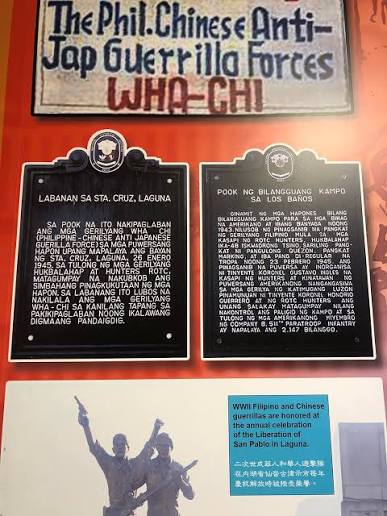
REMEMBERING WHA CHI: An NHCP historical marker preserves the story of the Chinese-Filipino guerrilla force and its role in resisting the Japanese occupation of the Philippines. – Memories of Old Manila & Beyond