Headline
Trump downplays China link to Iran strike as questions grow over military intelligence

Floyd Brenz., Philippine Canadian Inquirer
September 14, 2026
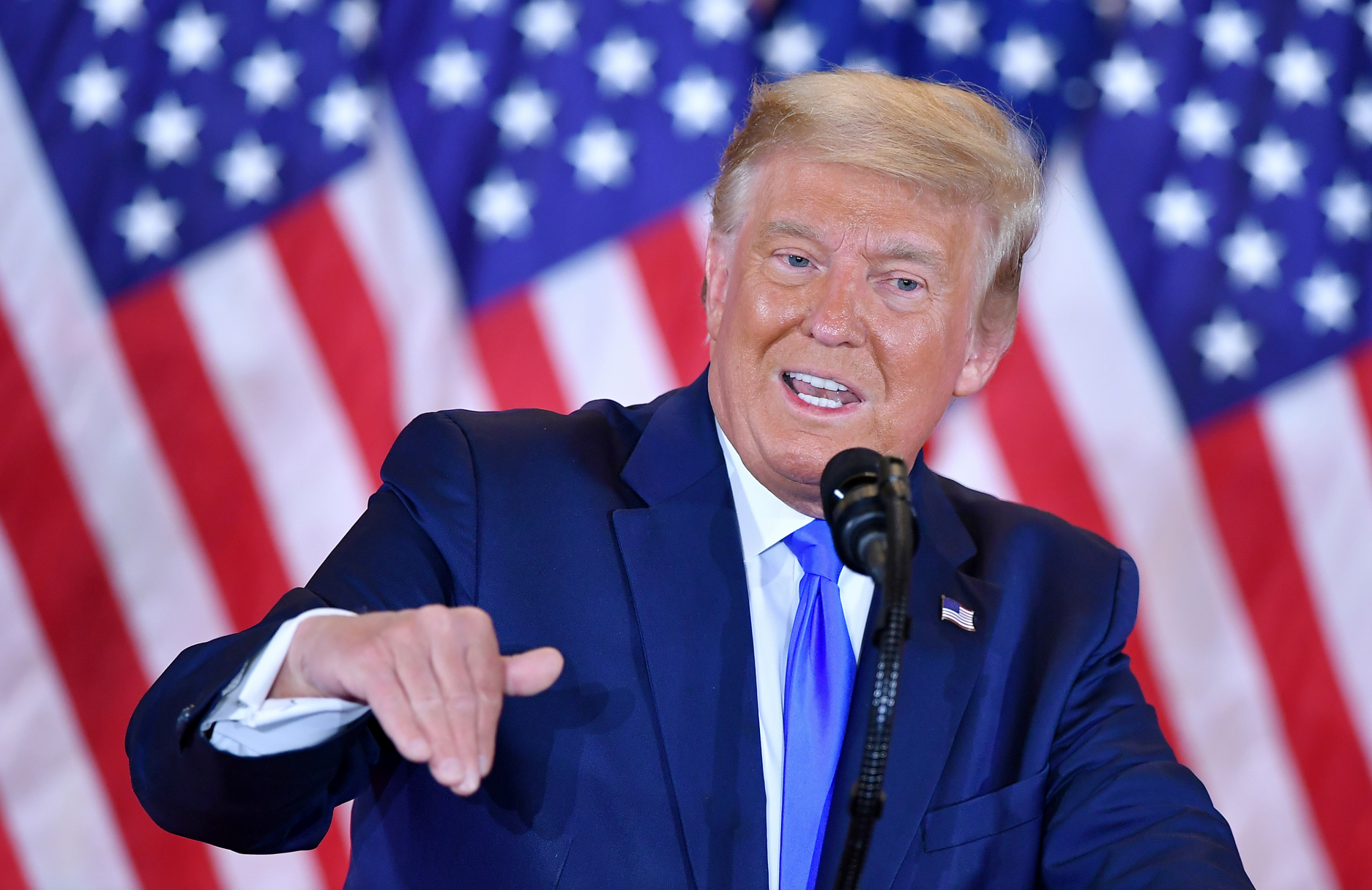
Photo Courtesy: AFP
President Donald Trump is playing down reports that Chinese entities provided Iran with satellite imagery of a U.S. military base in Jordan before a deadly missile attack that killed three American troops.
The report, first published by The Wall Street Journal, said Iran obtained high-resolution satellite images of the Muwaffaq Salti Air Base before and after the July 17 attack. U.S. officials linked the imagery to Chinese entities but did not accuse the Chinese government itself of directly coordinating the strike.
Asked whether he would raise the issue with Chinese President Xi Jinping, Trump instead pointed to what he described as the routine nature of intelligence gathering between major powers, saying China spies on the United States while Washington also conducts surveillance.
The comments come as Washington and Beijing continue to manage tensions over China’s relationship with Iran and broader disputes involving security, trade and technology.
China has rejected what it called unfounded accusations, saying it consistently fulfills its international obligations. The Chinese government has not been directly implicated in the reported transfer of the satellite imagery.
Still, the allegations have raised concerns in Washington about how Iran is obtaining detailed intelligence that could help it identify and target U.S. military positions. The July attack killed three American service members and injured others.
For Trump, however, the episode appears unlikely to derail his effort to maintain working relations with Beijing. The U.S. president and Xi are expected to meet later this month, with the two sides still navigating a much wider set of geopolitical tensions.
The dispute therefore goes beyond one attack in Jordan. It puts a spotlight on the increasingly complicated triangle between Washington, Beijing and Tehran, where satellite technology, intelligence and military partnerships are becoming part of a much larger geopolitical contest.