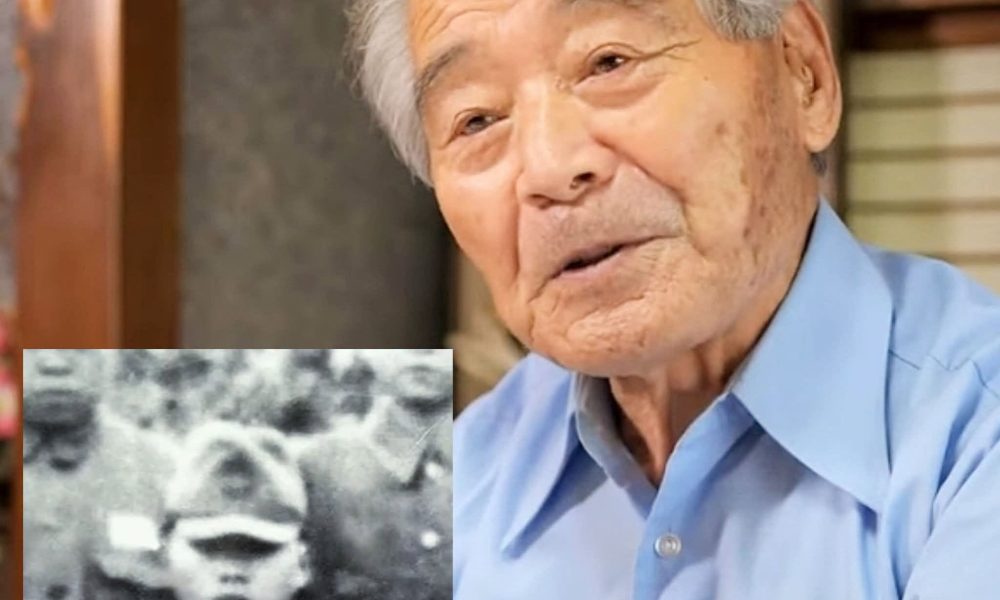
Headline
How long can the horrors of war stay buried? A former Unit 731 recruit finally speaks

Floyd Brenz., Philippine Canadian Inquirer
September 09, 2026
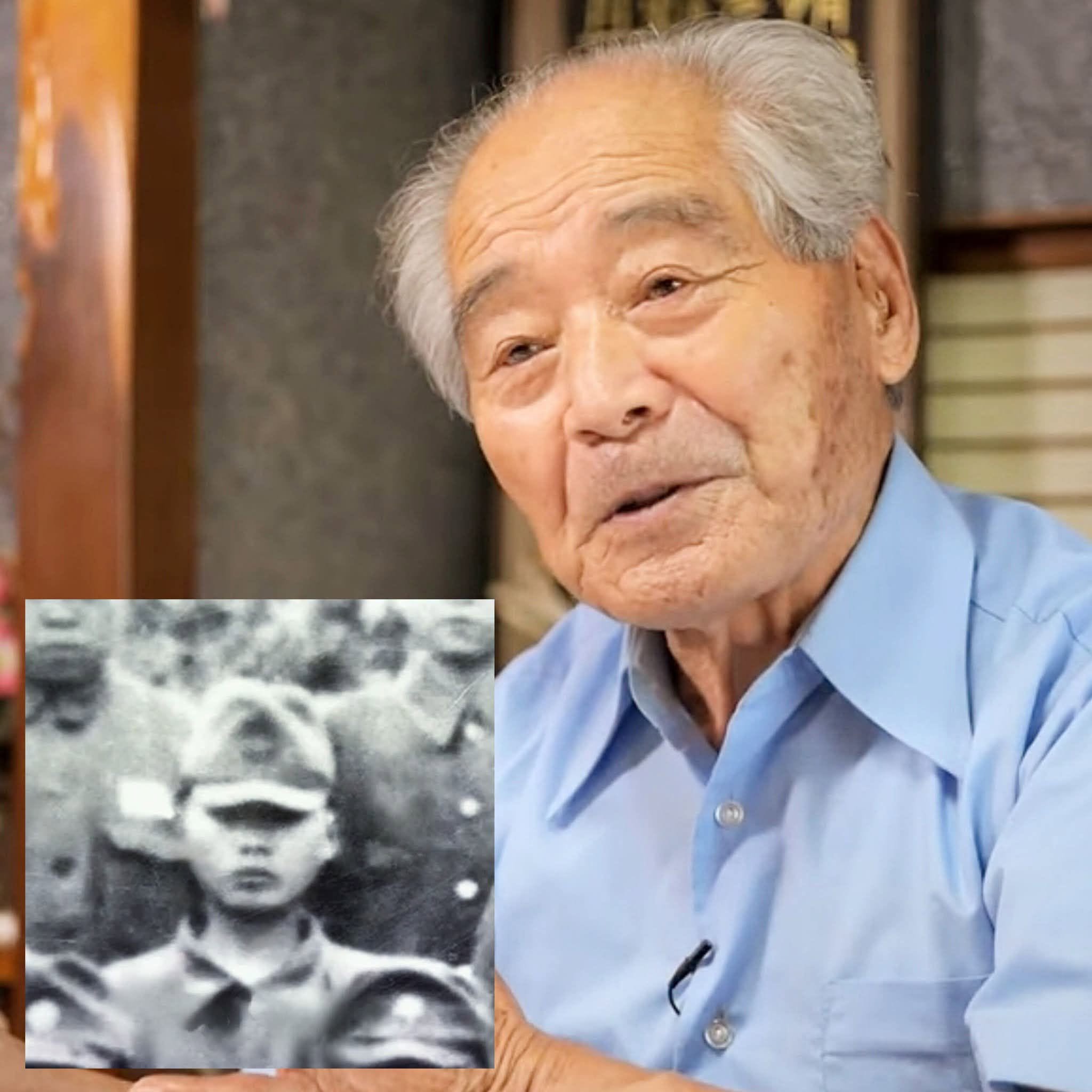
At just 14 years old, Hideo Shimizu was sent to one of the darkest chapters of Japan’s wartime history.
As a member of the Youth Corps, Shimizu was sent to Unit 731 in Harbin, China, where the Japanese military carried out biological warfare research and human experimentation during World War II. He spent several months inside the facility before fleeing as Japanese forces retreated on August 14, 1945.
What he saw would stay with him for decades.
Shimizu recalled entering a specimen room where human heads, limbs and internal organs were preserved in formalin. He also remembered being ordered to collect the bones of prisoners after their bodies were burned. The victims were referred to as “maruta,” or logs, a dehumanizing term used by members of the unit.
Before leaving, Shimizu was ordered to keep everything he witnessed a secret. For decades, he carried those memories privately, haunted by what he had seen as a teenager.
But in 2016, he decided that silence could no longer continue. Looking at his great-grandchildren, Shimizu said he realized he had to speak out so future generations would not repeat the mistakes of war.
In August 2024, at 94, he returned to Harbin for the first time in 79 years. He visited the former Unit 731 headquarters, prayed for the victims and publicly apologized for the atrocities he had witnessed.
His return was more than a journey into the past. It was an acknowledgment of a painful history that had followed him for most of his life.
After nearly eight decades of silence, Shimizu’s testimony has become both a remembrance of those who died and a warning to future generations about the human cost of war.