Headline
PCG prepares for 50 new vessels, 40,000 additional personnel by 2030

Abi Sarabia M., Philippine Canadian Inquirer
August 25, 2026
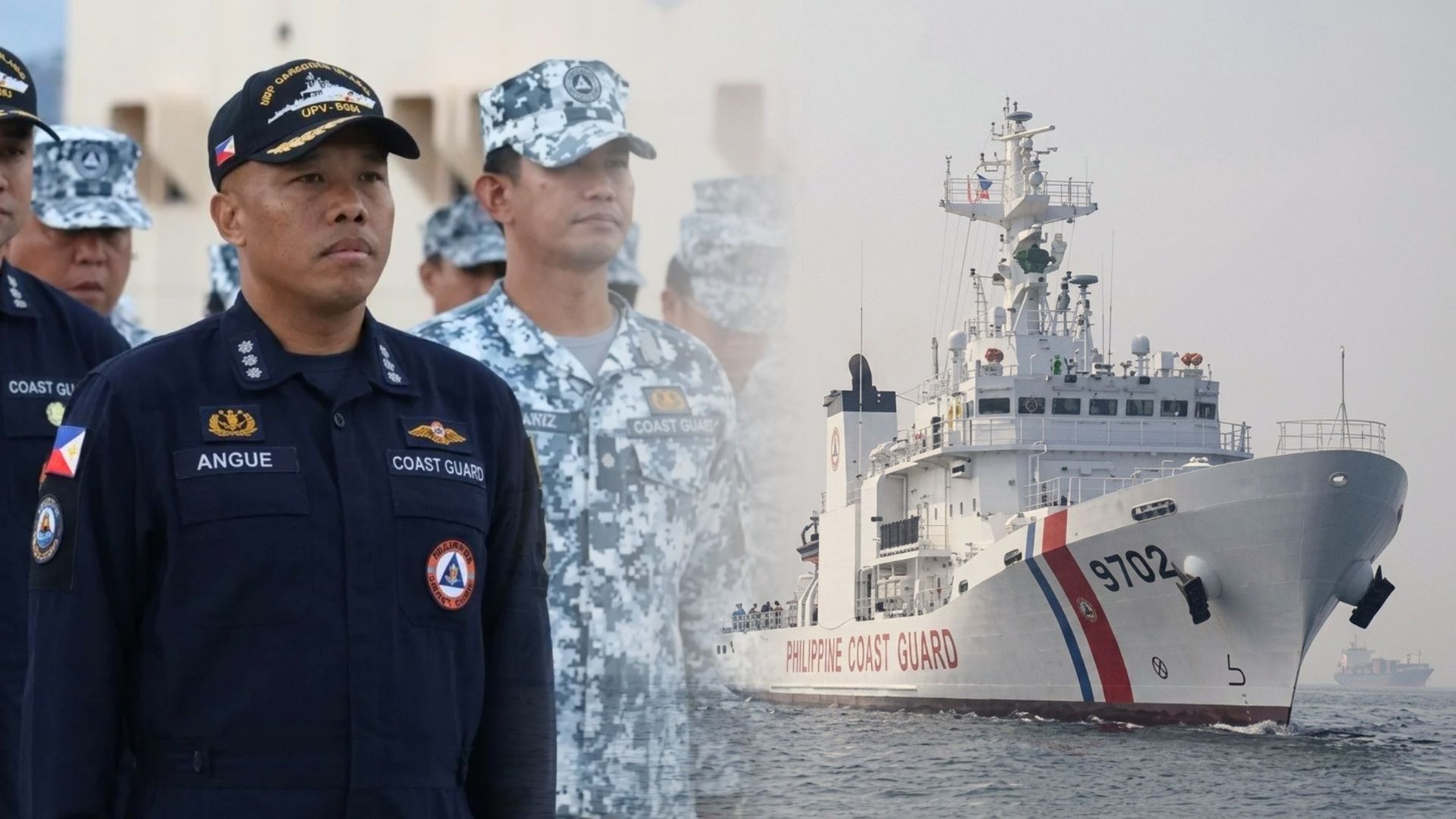
Photo courtesy: Philippine News Agency
The Philippine Coast Guard (PCG) is preparing to expand both its fleet and workforce as dozens of new vessels are expected to enter service over the next five years.
PCG spokesperson Commodore Noemie Cayabyab said the agency is anticipating the arrival of around 50 additional vessels under its modernization program, while also seeking to increase its personnel complement by 40,000 by 2030.
Among the first additions are the BRP Pag-asa and BRP Patag, two 27-meter Marine Protector-class patrol vessels transferred to the Philippines by the United States. The vessels are expected to arrive in Manila in October 2026.
The vessels have a top speed of more than 25 knots and will be used for search and rescue, maritime safety operations, maritime domain awareness and emergency response, including oil spills and other marine environmental incidents. Twenty-four PCG personnel have completed specialized operational and maintenance training for the vessels in Baltimore, Maryland.
Beyond the two vessels, Cayabyab said the PCG expects more ships to arrive in the coming years as part of its continuing fleet buildup.
“Within the five years, ‘yun ‘yung sinasabi palagi ni Commandant na we will be anticipating the arrival of 50 more ships,” Cayabyab said.
The planned acquisitions include 40 35-meter vessels from France and five 97-meter vessels from Japan, similar to the PCG’s BRP Teresa Magbanua and BRP Melchora Aquino.
Some of the 35-meter vessels could begin arriving next year, although the PCG is still awaiting the latest status of the project.
The fleet expansion is also expected to require a significant increase in manpower.
According to Cayabyab, the Coast Guard is currently meeting its personnel requirements based on its existing Table of Organization and Equipment. However, the agency has submitted a proposal to the Department of Budget and Management for an additional 40,000 personnel by 2030.
New recruits are being trained in vessel operations and maintenance to prepare them for deployment aboard incoming ships. A vessel typically requires about 20 to 30 personnel, depending on its size and classification.
The planned expansion forms part of the PCG’s efforts to strengthen its capacity for maritime safety, law enforcement, search and rescue, environmental protection and the safeguarding of Philippine waters.