Headline
House bill pushes community service, stricter penalties for littering offenders

Floyd Brenz., Philippine Canadian Inquirer
August 18, 2026
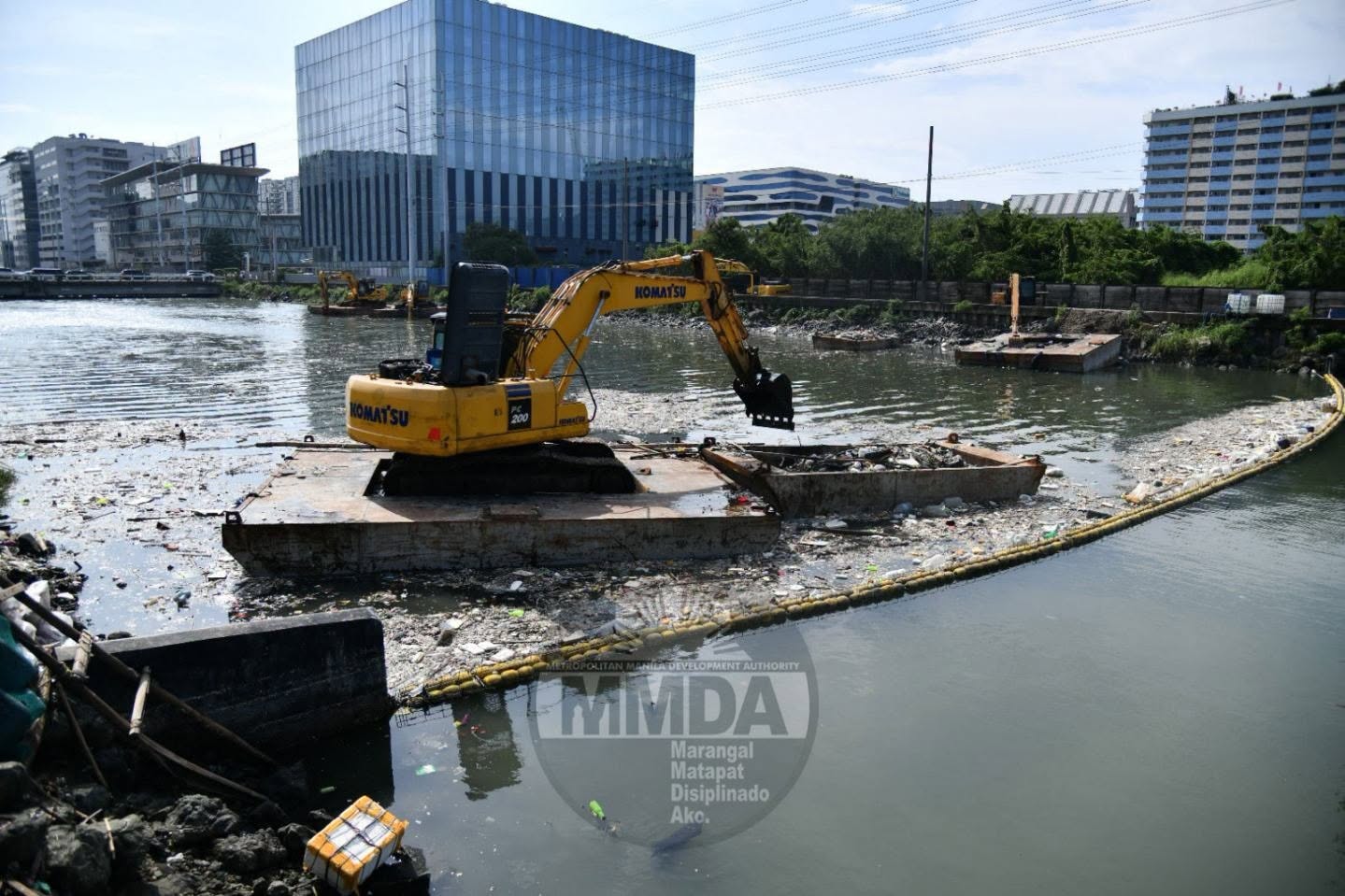
Photo Courtesy: MMDA
The MMDA installed stronger trash traps at the Redemptorist Water Channel in Aseana, Parañaque City, on August 10 to prevent garbage from being carried away and clogging the waterway.
MANILA, Philippines — A bill has been filed in the House of Representatives seeking to hold littering offenders accountable by requiring them to render community service, including cleaning canals, esteros, drainage systems, and other waterways.
Under House Bill 10841, or the Anti-Littering Community Service Act, offenders would be required to render one day or eight hours of community service for a first offense, two days for a second offense, and three days for a third and succeeding offenses.
Navotas Representative Toby Tiangco, author of the measure, said the proposal aims to make littering offenders directly accountable for the impact of improper waste disposal on communities.
Tiangco stressed that while a single piece of trash may appear harmless, accumulated garbage in canals and drainage systems can clog waterways and worsen flooding, particularly during periods of heavy rain.
The proposed measure seeks to strengthen the implementation of Republic Act 9003, or the Ecological Solid Waste Management Act of 2000, which prohibits littering and dumping in public places.
Tiangco said weak enforcement has limited the effectiveness of existing anti-littering rules, highlighting the need for clearer accountability and stronger implementation.
The bill cited the approximately 750 metric tons of garbage and debris recently collected by the Metropolitan Manila Development Authority from a waterway following days of heavy rain.
The measure would also penalize local officials and employees who fail to enforce the proposed law. They could face a 15-day suspension without pay for a first offense, 30 days for a second offense, and dismissal from service for a third and succeeding offenses, subject to civil service rules.
Canal-cleaning activities would have to be properly supervised and conducted with protective equipment, appropriate tools, sanitation facilities, and safeguards against hazardous work.
Safe alternative assignments would also be provided to vulnerable individuals or offenders who are medically unfit to perform canal-cleaning duties.
Offenders who fail to complete the required community service could face appropriate proceedings and penalties under the Revised Penal Code and other applicable laws.
Once enacted, the Department of Environment and Natural Resources and the Department of the Interior and Local Government, in coordination with concerned national agencies and local government units, would be required to issue the implementing rules within 15 days from the law’s effectivity.