Headline
Quezon City extends CFO mandate to the grassroots

Commission on Filipinos Overseas
March 14, 2026
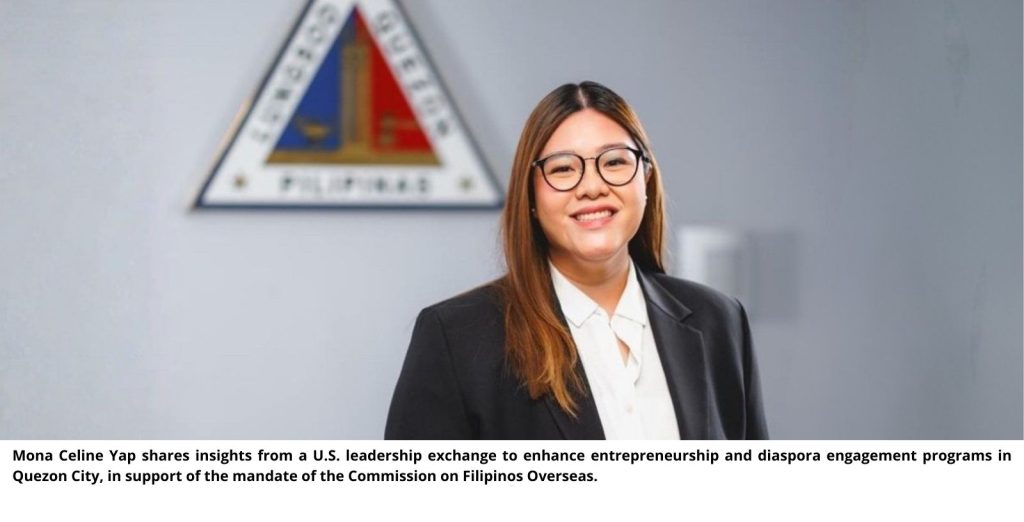
From the walkable corridors of Washington, D.C., to the high-tech startup hubs of Ohio, Quezon City is importing global innovation to empower its most vital economic asset — the Filipino migrant.
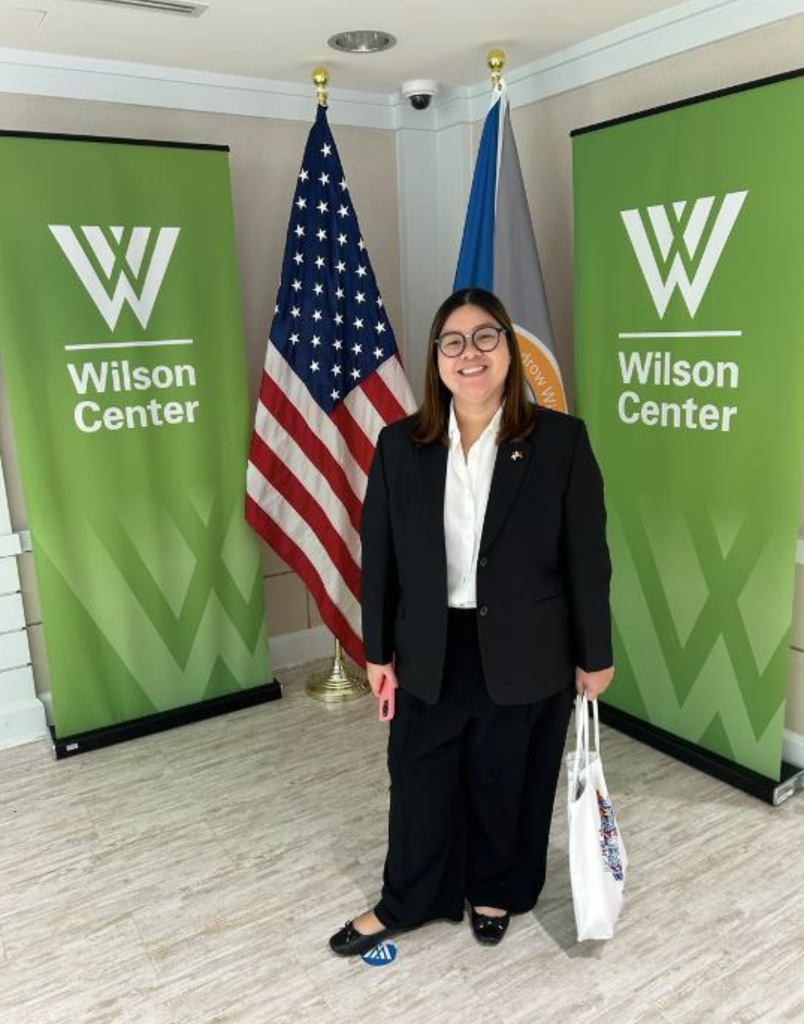
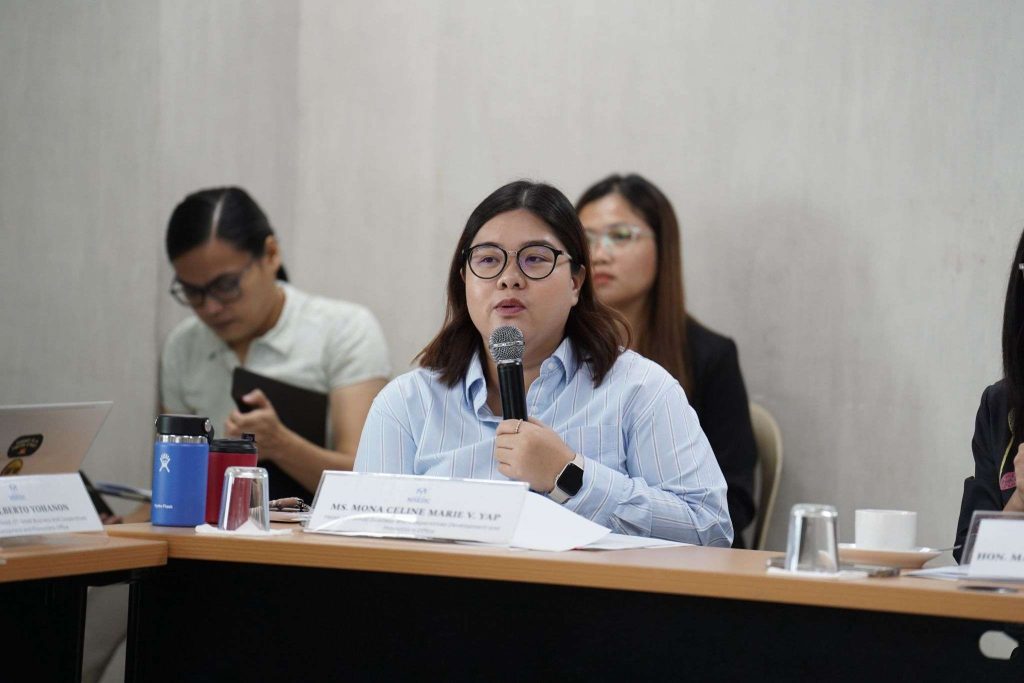
Mona Celine Yap, head of the Quezon City Small Business Cooperatives Development and Promotions Office (SBCDPO), recently returned from a high-level exchange under the U.S. State Department’s “Leaders Lead on Demand” program. The mission, focused on the Indo-Pacific Economic Framework (IPEF), aimed to bridge the gap between international economic policies and local implementation.
For the Commission on Filipinos Overseas (CFO), initiatives like these represent a critical localized extension of its national mandate.
As the lead agency for diaspora engagement, the CFO is tasked with ensuring that Overseas Filipinos (OFs) remain active partners in national development. In contrast with the Department of Migrant Workers which attends to the needs of overseas Filipino workers or temporary migrants, the CFO oversees programs intended for permanent migrants or Filipino who have set permanent residency abroad.
Quezon City’s proactive stance provides the “ground floor” for this vision, turning returning migrants into thriving local entrepreneurs.
During her mission, Yap visited New Albany in Ohio—a city that, despite being roughly the size of a barangay in Quezon City, has become a powerhouse for enterprise development.
“I wanted to replicate the way they implement programs for startups and small enterprises,” Yap shared. “We are currently putting up innovation centers in Quezon City, applying policies and infrastructure models learned from our U.S. counterparts.”
The structural similarities between the two cities are deep-seated; Quezon City was originally patterned after Washington, D.C., with the iconic Quezon Monument reflecting the design of the Washington Monument.
By studying D.C.’s modern urbanization and walkable business districts, the SBCDPO aims to revitalize the city’s trade corridors to better serve micro-enterprises.
As the only Local Government Unit (LGU) in the Philippines to establish a dedicated Migrant Resource Center (MRC), Quezon City is trailblazing a path for the “reintegration” pillar of the CFO’s mission.
Through the Pangkabuhayang QC program, the city provides a holistic safety net for Overseas Filipino Workers (OFWs) and their families:
With the highest concentration of OFW families in Metro Manila, Quezon City’s partnership with the CFO and international agencies is a strategic necessity. The goal is to move beyond the “jaded” perception of government service by offering world-class support systems.
“We are in a race to the top,” Yap noted, reflecting on her decade of government service. “It’s about sharing best practices and coming back to apply them so our people don’t just survive, but compete on a global scale.”
By localizing international innovation, Quezon City is ensuring that the Filipino diaspora—the nation’s modern-day heroes—find a welcoming and sophisticated entrepreneurial ecosystem waiting for them at home.
About the Commission on Filipinos Overseas
The Commission on Filipinos Overseas (CFO), established under Batas Pambansa 79, is dedicated to the welfare and empowerment of Filipinos permanently residing abroad. It is distinct from the Department of Migrant Workers, which primarily addresses the needs of Overseas Filipino Workers (OFW) and other temporary migrants.
The CFO, which is an agency under the Office of the President, works to strengthen the social, economic, and cultural ties of global Filipinos with their home country. Its primary stakeholders include Filipino permanent migrants, dual citizens, spouses and partners of foreign nationals, individuals under the Exchange Visitor Program, au pair participants bound for Europe, and Filipino descendants overseas.
For more information, please contact Atty. Jan Karlo Magracia of the Office of the Secretary at jkmagracia@cfo.gov.ph.