Headline
PH to remain ‘food secure’ amid Mideast tension – DA

By Stephanie Sevillano, Philippine News Agency
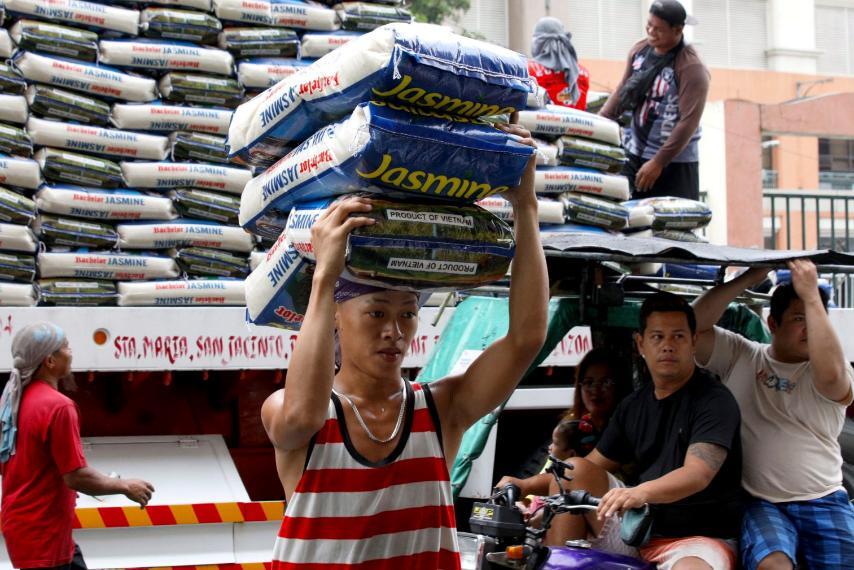
FOOD SECURE. Workers unload sacks of imported rice in Tondo, Manila on March 2, 2026. The Department of Agriculture on Wednesday (March 4) assured that the Philippines will remain “food secure” despite the ongoing tensions in the Middle East. (Photo; PNA/Facebook)
MANILA – The Philippines will remain “food secure” amid the ongoing tensions in the Middle East, the Department of Agriculture (DA) assured on Wednesday.
In a press conference, DA spokesperson Assistant Secretary Arnel de Mesa said the country has a sufficient supply of agricultural commodities, particularly rice.
“In terms of supply natin ng bigas sa bansa (of our country’s rice supply), coming from both local production and imported rice, we can be assured na until sa next harvest season mayroon tayong sapat na bigas para sa ating mga kababayan (there’s an adequate rice supply for our countrymen until the next harvest season),” he said.
De Mesa said the Philippines has multiple sources of imported rice, including Vietnam, Myanmar and Cambodia, which are far from the Middle East.
According to the Bureau of Plant Industry, as of Feb. 26, 707,711.46 metric tons (MT) of imported rice arrived in the country since January, well within the target volume of import arrivals ahead of the local peak harvest season of palay (unhusked rice).
Asked about a potential spike in retail prices, De Mesa said it is unlikely to see prices shooting up to PHP70 per kilo, which was experienced during the previous years due to the Ukraine-Russia crisis.
“Sa ngayon, wala pang indication na aabot tayo sa ganun kasi mababa ‘yung cost ng imported na bigas (For now, there’s no indication that it will reach that point, because of the low cost of imported rice),” he said.
According to the DA Bantay Presyo (Price Watch), premium imported rice in Metro Manila sells from PHP52 per kilo to PHP62/kilo as of Wednesday.
The price per kilo of imported well-milled rice, meanwhile, ranges from PHP43 to PHP49/kilo; and imported regular-milled rice, from PHP36 to PHP46/kilo.
Local premium rice is at PHP43/kilo to PHP60/kilo, while the prevailing prices for well-milled rice and regular milled rice are PHP45/kilo and PHP40/kilo, respectively.
De Mesa, likewise, said the supply of other agricultural goods will continue to remain strong.
“Other commodities, ‘yung ating gulay at saka karamihan ng karne natin, galing ng Amerika at Europa, so hindi naman ito apektado nitong nagaganap na sigalot (the vegetables and most of our meat supply come from America and Europe, so it’s not significantly affected by the tension),” he said.
The DA official, however, said that retail prices of agricultural commodities may be affected by movements in global oil prices in the event of a prolonged flow disruption in the Strait of Hormuz.
In case of increased freight costs due to fuel spikes, the DA said it will consider providing logistics assistance within the value-chain, citing government interventions when the hog sector was affected by African swine fever.
“Nagawa na iyan before, nagkaroon tayo ng assistance sa logistics sa baboy galing GenSan, galing Mindanao, dahil tinulungan natin sila to bring ‘yung kanilang pork nila dito sa Metro Manila (We have done it before, we have provided assistance in the logistics of hogs from General Santos City in Mindanao, because we have helped them transport their pork products here in Metro Manila),” he said.
“So, it has been done before, so pwedeng i-consider kung mayroong pagkakataon (it can also be considered if there’s an opportunity).”
The interventions may include providing trucking aid and fuel subsidies, as well as coordination with the Toll Regulatory Board (TRB) for discounted toll rates in the movement of agricultural goods.
To cushion its impact on Filipino consumers, De Mesa also assured the availability of more affordable food through its Kadiwa ng Pangulo sites across the country.