Headline
Classroom, health measures get Senate nod

By Wilnard Bacelonia, Philippine News Agency
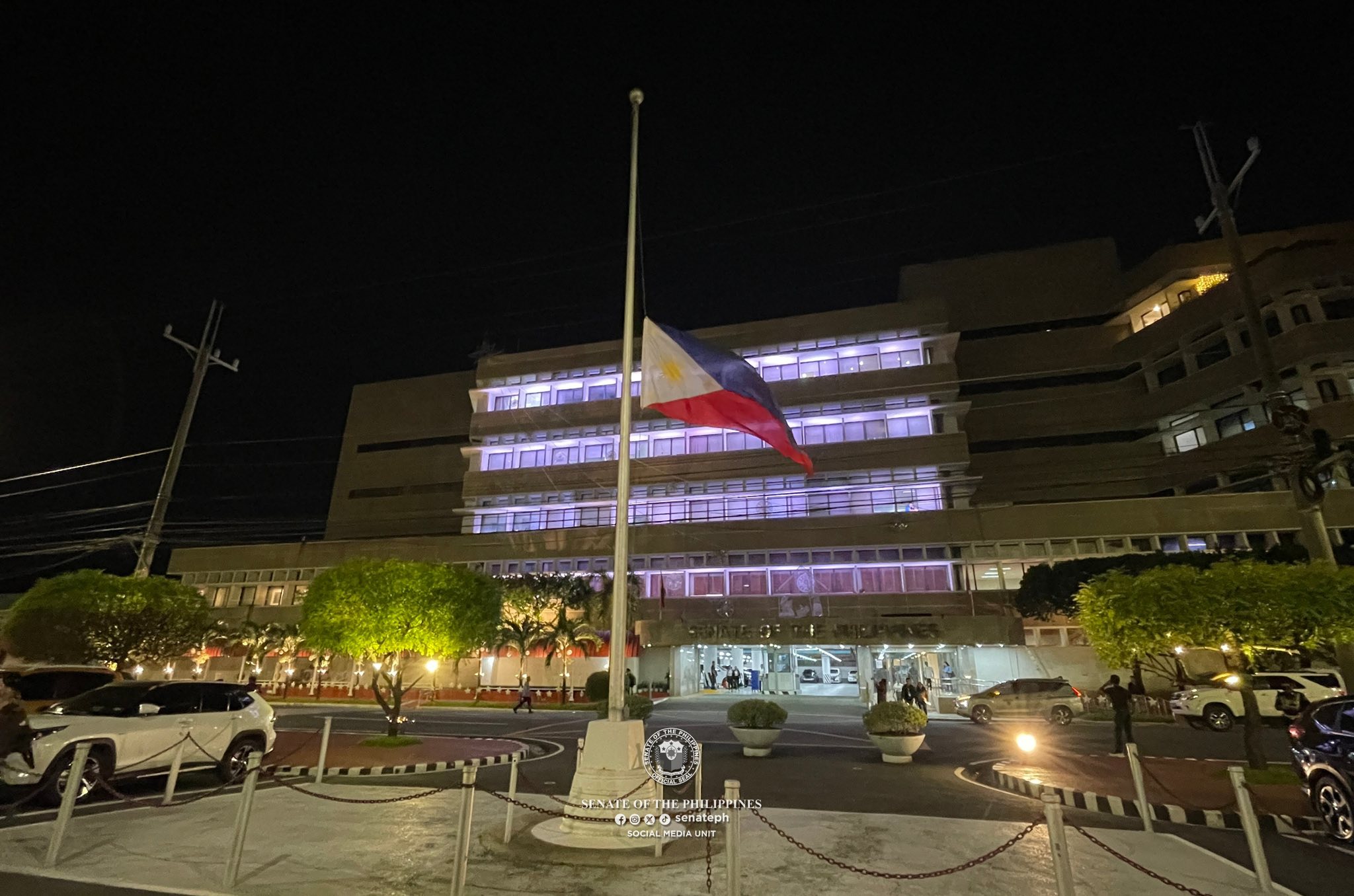
(Senate of the Philippines/facebook)
MANILA – The Senate on Monday approved three priority measures covering classroom construction and national health programs, all passing unanimously with 22 affirmative votes, no negative votes, and no abstentions.
Approved was Senate Bill No. 1482, or the proposed Classroom-Building Acceleration Program (CAP) Act, which establishes a classroom-building program under the Department of Education (DepEd) and authorizes local government units (LGUs) and civil society organizations to undertake classroom construction projects.
Senator Bam Aquino, chairperson of the Senate Committee on Basic Education, said the PHP65-billion classroom fund under the 2026 national budget is expected to help reduce the country’s estimated 165,000-classroom backlog while generating more than 100,000 jobs nationwide.
“Batay sa pagtayang ito, kung ang target natin ngayong taon ay makapagtayo ng 25,000 classrooms mula sa ating PHP65 bilyong pondo, lilikha ito ng mahigit 100,000 trabaho (Based on this estimate, if our target this year is to build 25,000 classrooms from the PHP65-billion fund, this will generate more than 100,000 jobs),” Aquino said.
He said classroom construction typically requires four to six workers over three to four months, allowing local workers to earn steady income.
Under the measure, LGUs may access funds to build classrooms once they enter into memoranda of agreement with DepEd. Aquino said the program is expected to stimulate local economies and benefit small businesses, as taxes generated from hiring local contractors can support LGU social services.
The Senate also approved on third reading Senate Bill No. 1513, which institutes a national health program to combat systemic lupus erythematosus (SLE) and appropriates funds for its implementation.
Explaining his affirmative vote, Senator Mark Villar said the measure addresses the lack of a cure and the difficulty of diagnosing lupus, which often leads to misdiagnosis and costly treatments.
“Mahalagang maumpisahan na ang pagtalakay sa lupus, lalo na ang kaakibat na pasanin nito (It is important to begin addressing lupus, especially the burden that comes with it),” Villar said.
He said the bill ensures that PhilHealth would shoulder the cost of early detection and screening to help patients who cannot afford diagnostic tests.
Meanwhile, Senator Robinhood Padilla said the measure responds to long-standing gaps in access to medical services, noting that many Filipinos with lupus struggle with delayed diagnosis, limited access to specialized care, and high treatment costs.
Padilla said the bill is timely in providing programs for prevention, early detection, treatment, research, and public information campaigns to raise awareness, reduce stigma, and strengthen public confidence in the government’s healthcare system.
Also passed on third reading was Senate Bill No. 1510, which establishes a national health service outreach program for senior citizens and indigent persons with functional disabilities, providing for inter-agency and LGU coordination and funding support.