

James Horncastle, The Conversation
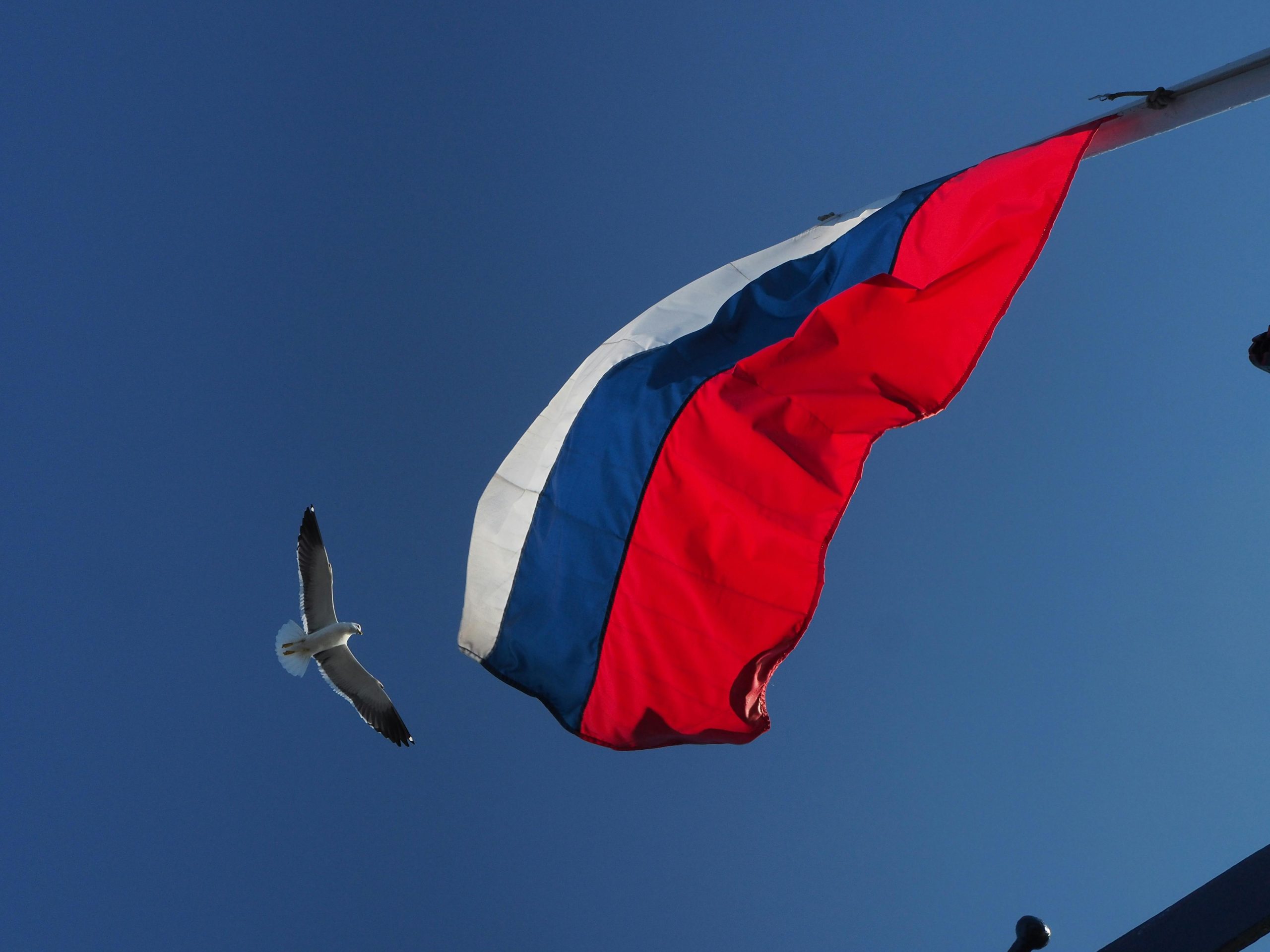
Analysts increasingly believe these mysterious drones are operated by Russian agents to sow fear and tension in Europe. (Pexels photo)
There’s recently been a significant uptick in Russian incursions into Europe. They started in mid-September with Russian drones violating Polish airspace, resulting in Poland being forced to deploy its air force to protect its sovereignty.
Subsequently, a Russian drone violated Romanian airspace. Perhaps most disconcerting, three Russian MiG-31s deliberately violated Estonian airspace in a clearly provocative act.
But these known Russian incursions are being overtaken by a troubling phenomenon. Airports in Europe, including but not limited to Copenhagen and Munich, have seen their operations disrupted by unknown drones.
Analysts increasingly believe these mysterious drones are operated by Russian agents to sow fear and tension in Europe. Whether that’s true remains to be seen.
Russian offensive weakening
While these incidents may appear designed to escalate the conflict by threatening to draw the European Union and NATO into the conflict, they instead reflect Russian strategic weakness as winter approaches.
Throughout 2025, Russia had several advantages over Ukraine. Russian superiority in arms production and mobilization, supplemented by direct and indirect aid from states like North Korea and China put it in a favourable strategic position compared to Ukraine.
Russia has hit Ukraine on multiple fronts.
While Russian frontline forces advance against Ukrainian positions, Russia increased the tempo and volume of its drone and missile strikes against Ukrainian cities. Nonetheless, even though Russian drones and missiles have inflicted considerable destruction and casualties on Ukraine in 2025, Ukrainians have yet to lose their will to resist.
Russian forces took advantage of this strategic imbalance against Ukraine to seize Ukrainian territory. Critically, however, while Russian forces have made gains, they have not achieved a decisive breakthrough against Ukraine. Russia’s minimal gains in September, furthermore, indicate that its offensive is stalling.
The fall weather and resulting cold and rain will further stall Russian offensive operations in Ukraine. The year 2025, initially looking like it would favour Russia, has resulted in Putin having little to show for it.
What’s more, Ukraine has not been passive during this period.
Exploiting Russian vulnerabilities
From a numbers and material standpoint, Ukraine is at a considerable disadvantage against Russia. But Putin’s government has two interrelated points that Ukraine seeks to undermine: domestic support for Putin and the Russian economy.
The extent of domestic support for Putin is a subject of debate among scholars and analysts. But Putin’s actions suggest he’s nervous enough about it that he’s seeking to insulate his support base against the effects of the war. To do so, he’s maintaining the illusion of a strong Russian economy.
But Elvira Nabiullina, Russia’s central bank governor, has warned the Russian economy is in trouble. Putin has ignored her warnings and has instead offered pithy retorts to criticisms of the Russian economy.
Despite Putin’s nonchalant reaction to the weakness of the Russian economy, Ukraine recognizes the fragility of his stance. In fact, Ukraine is now repeatedly striking the resource at the heart of Russia’s precarious prosperity: oil.
Oil and natural gas account for at least 30 per cent of the federal Russian budget. Ukrainian innovations in drone and missile technology has allowed Ukraine to repeatedly strike Russian oil and natural gas refining and logistical facilities.
This has resulted in Russia declaring a full moratorium on gasoline exports for the rest of the year. Furthermore, Russia was recently forced to partially extend an export ban to diesel as well.
Fuel shortages will only become more pronounced as energy demands increase over the cold Russian winter. Putin’s base, in short, could finally be forced to confront the consequences of his policies.
Escalate to de-escalate
Russian strategic failures in 2025, along with increased Ukrainian pressure, help explain Russia’s subversive efforts in Europe.
A misunderstood element of Russian strategic doctrine is the concept of escalating to de-escalate. Although this tactic is most commonly applied to nuclear strategy, it applies to all aspects of Russia’s strategic doctrine.
Russian politicians and generals are calculating that Europe is simultaneously unprepared and unwilling to wage war against Russia. Furthermore, Russian leaders are relying on the belief that European leaders, despite their rhetoric, will do whatever possible to eliminate the root cause of Russia’s recent incursions into European airspace: the Russia-Ukraine war.
Putin, after seemingly pushing Europeans to the brink of war, will likely pivot to a policy that encourages a diplomatic solution to Ukraine. Putin has followed a similar strategy of appearing to be more diplomatically inclined in the winters of 2024 and early 2025. World leaders, desperate for the war to end, have treated such proposals more seriously than warranted.
Russian drones and missiles may have proven devastating for Ukraine, but they haven’t altered the strategic balance.
Ukraine’s strikes, on the other hand, appear to be bearing strategic fruit at a critical moment of Russian vulnerability, forcing Putin to use unconventional means to try to secure victory against Ukraine.




















