
Environment & Nature
CCC cites science, innovations to protect PH from climate risks

By Marita Moaje, Philippine News Agency
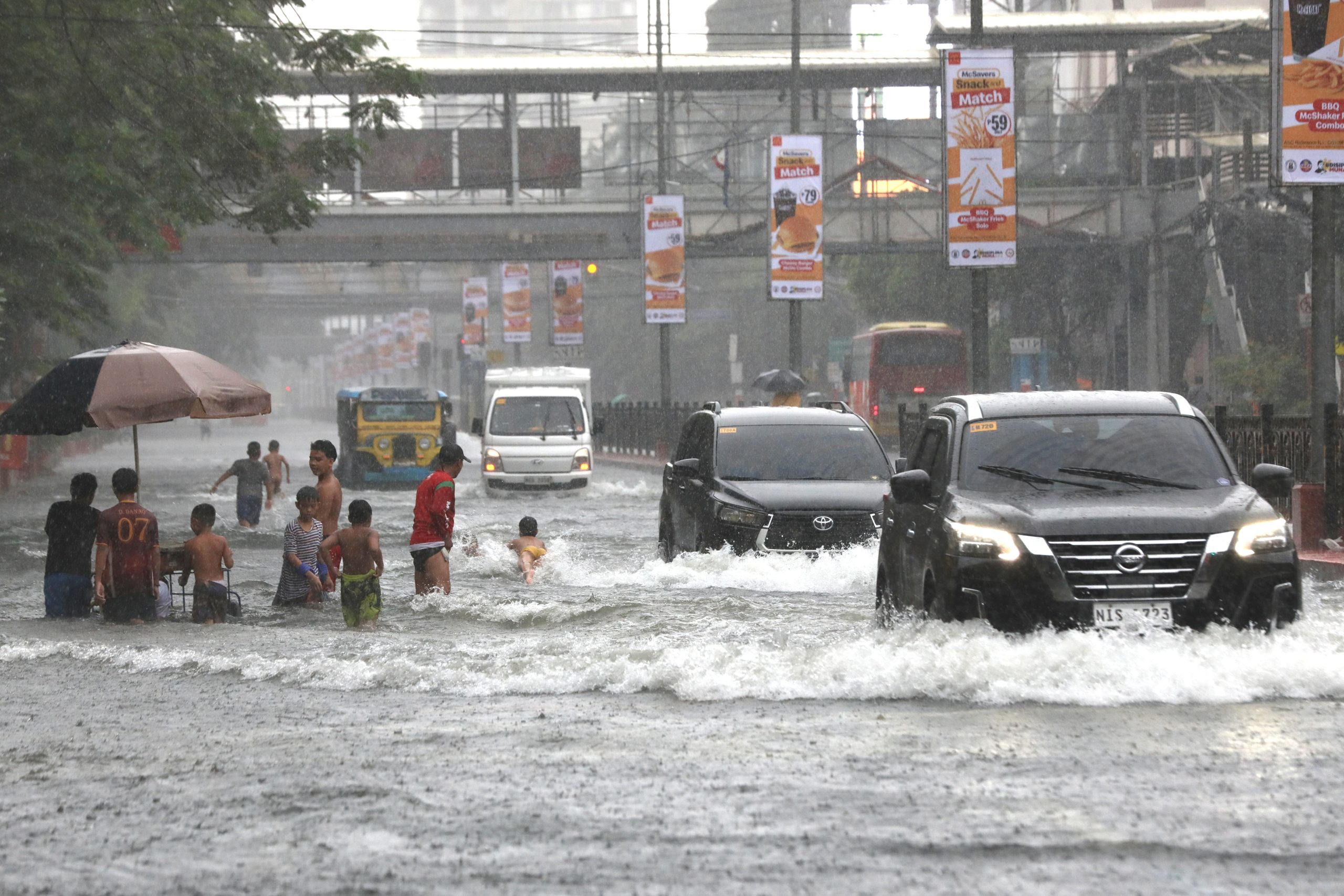
FILE: Motorists pass through the gutter-deep flood along España Boulevard near Vicente Cruz Street in Manila on Tuesday (July 22, 2025) after a downpour. (PNA photo by Yancy Lim)
MANILA – The Climate Change Commission (CCC) has emphasized the urgent need for research and development, as well as science and innovation to help protect the country from the worsening impact of climate change.
In a news release on Thursday, CCC Vice Chairperson and Executive Director Robert Borje warned that the country could face over PHP1.2 trillion in annual losses by 2030 if urgent, research-based action is not taken.
Speaking at the 8th National Research and Development Conference hosted by the Department of Science and Technology (DOST) held from July 23 to 24 in Manila, he stressed the vital role of science-based data and research and development (R&D) in climate resilience.
“Resilience is one of our key responses to protect our economy from the impacts of climate change. The National Adaptation Plan (NAP) and the Nationally Determined Contribution Implementation Plan (NDCIP) are two critical frameworks the government has put in place to meet these challenges,” Borje said.
He also cited the importance of a transdisciplinary approach to climate resilience, underscoring the importance of collaboration across diverse fields of expertise.
“We need civil engineers working alongside economists; climate scientists partnering with social innovators and community leaders; data experts collaborating with agricultural specialists and urban planners,” he said.
Borje cited the recent climate-induced disasters, including tropical cyclones Crising (international name Wipha), Dante (Francisco), and Emong (Co-May), as well as the intensified southwest monsoons or habagat, which caused widespread flooding, landslides, and damaged infrastructures, and disrupted schools, work, and even local economies.
“Climate analytics indicate that the cost of inaction on climate change may reach critical level by 2030: infrastructure damage could exceed PHP300 billion; productivity losses due to extreme heat may surpass PHP400 billion; business interruptions could amount to PHP528 billion; and relocation-related costs for displaced communities may reach up to PHP8.9 billion,” the CCC said.
The NAP, developed under the leadership of President Ferdinand R. Marcos Jr., aims to steadily reduce climate-related loss and damage and enhance the country’s adaptive capacity, targeting transformative resilience and sustainable economic development by 2050.
Meanwhile, the NDCIP places research, technology, and innovation at the core of the country’s mitigation strategy to ensure that emission-reduction efforts also protect livelihoods, ecosystems, and infrastructure.




















