

By Adi Imsirovic, University of Oxford; The Conversation
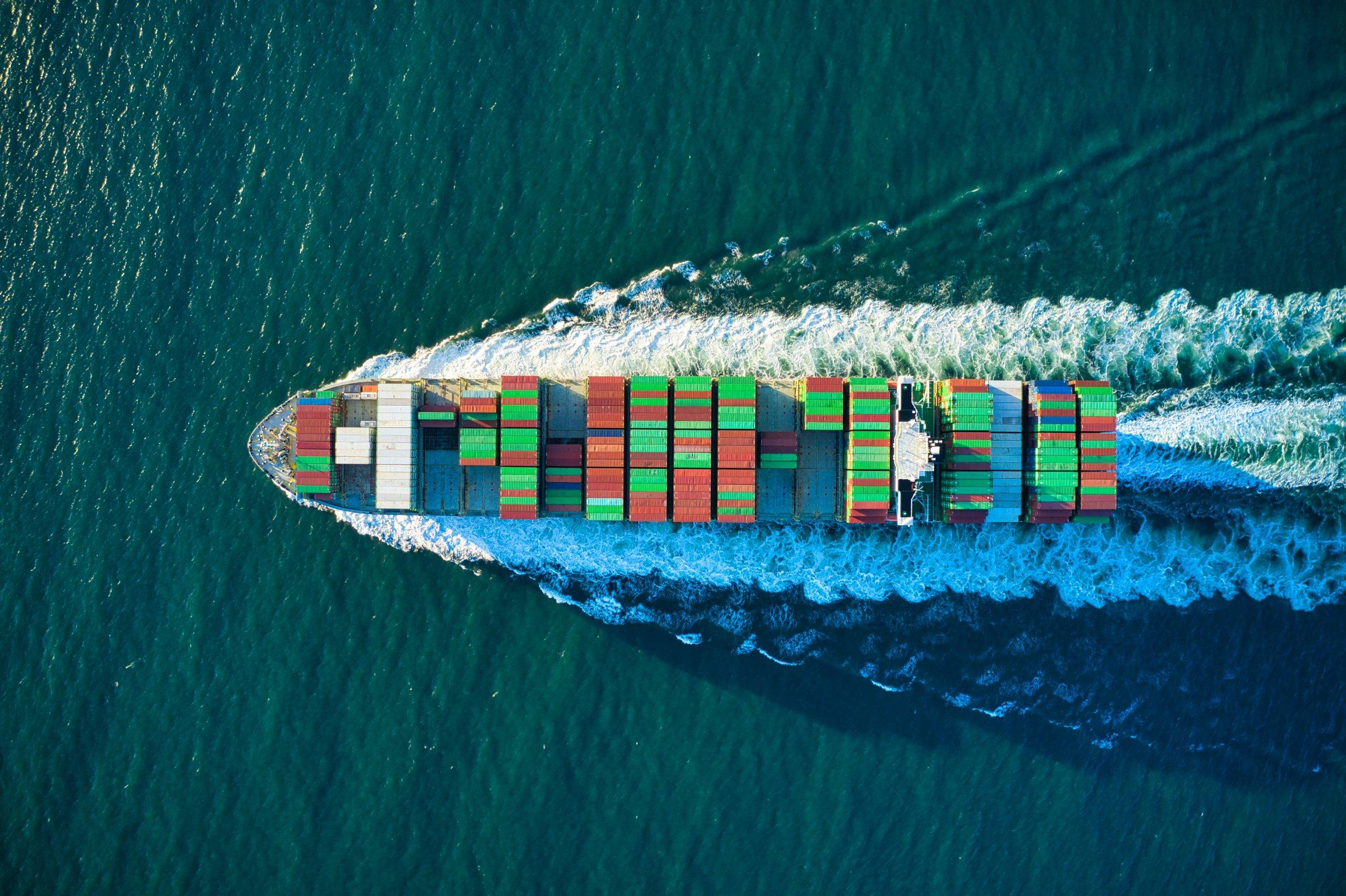
Iran exports up to 2 million barrels of oil and refined petroleum products per day (million barrels per day – mbd). Due to long-standing sanctions, most of this oil is sold to China at discounted prices. (File Photo: Venti Views/Unsplash)
The unexpected attack by Israel on Iran, a major oil-producing nation, may undermine anaemic global economic growth and hinder central banks’ ability to cope in an already uncertain market.
Iran exports up to 2 million barrels of oil and refined petroleum products per day (million barrels per day – mbd). Due to long-standing sanctions, most of this oil is sold to China at discounted prices.
Normally, a sudden loss of the Iranian exports (equivalent to around 2% of global oil supply) would trigger panic. But Opec (the Organisation of the Petroleum Exporting Countries) is in the process of reversing the production cuts imposed early in the COVID pandemic (and subsequently). This leaves the organisation with an unusually large spare capacity of at least four million barrels per day, most of which is held by Saudi Arabia (up to 3.5 million) and the UAE (about one million).
On top of that, the International Energy Agency (IEA) holds more than 1.2 billion barrels of emergency reserves across OECD countries, ready to be deployed if needed. China, too, has significant reserves, though the line between its commercial and strategic stocks is less clear.
Additionally, some 40 million barrels of Iranian oil are stranded aboard anchored ships near China, unsold due to declining industrial demand and electric vehicles hitting petrol consumption. In May, China’s refinery throughput fell 1.8% year-on-year, with no signs of a swift rebound. What’s more, the IEA is expecting global oil production to exceed 1.8 mbd, compared to its earlier projection of only 0.72 mbd, leaving a massive surplus of supply over demand.
China has proven to be an opportunistic buyer. It did not buy the excess Iranian oil supplies at US$65 (£48) a barrel earlier this year, and whether it buys at US$75 (at the time of writing) or higher, may be a signal of how seriously it views the Middle East tensions. Meanwhile, other Asian importers have been quick to secure prompt shipments from west Africa, and have eyes on US supplies as well.
Thanks to this surplus capacity and stagnant demand, the oil market’s reaction has been more muted than many feared. Prices briefly spiked by US$10 but have since eased. It appears that the market is assessing whether the hostilities will escalate. If so, the impact on energy prices and inflation could be more significant.
A conflict of convenience
It remains somewhat unclear why Israeli prime minister Benjamin Netanyahu chose this moment to strike Iran, especially in the middle of peace negotiations between Iran and the United States. In a recent interview, former Israeli leader Ehud Barak admitted that even a full-scale attack would only delay Iran’s nuclear ambitions by weeks or months at best, with US support.
Diplomacy, then, may remain the more effective route. This was the rationale behind the Iran nuclear deal brokered under US president Barack Obama, a deal later dismantled by Trump under pressure from Netanyahu.
So, Netanyahu’s endgame might be political survival and diverting attention from the humanitarian catastrophe in Gaza.
If Iran feels sufficiently cornered, it may retaliate by shutting down the Strait of Hormuz – a strategic chokepoint through which up to 20 million barrels of oil pass daily. A lot of that oil can be diverted through alternative supply routes such as a large (6 mbd) Saudi East-West pipeline leading to the Red Sea. There is also the UAE pipeline, which avoids the Strait of Hormuz and leads to the port of Fujairah, in the Gulf of Oman.
Nevertheless, the increased risk and higher shipping costs would certainly result in much higher prices at the pump. The cost of insurance for ships travelling through the Strait of Hormuz have jumped 60% since the start of the conflict. That, combined with the broader economic fallout, could have global repercussions.
The World Bank recently downgraded its global growth forecast to 2.3% for 2025 – nearly half a percentage point below previous estimates. While a worldwide recession is not yet predicted, the bank warned that growth this decade could be the slowest since the 1960s.
Among the leading culprits is Trump’s tariff policy, which has strained global trade, reduced efficiency and effectively imposed a tax on consumers both in the US and elsewhere. The fear of inflation has led to rising long-term bond yields.
Expectations of higher inflation and high bond yields, in turn, constrain central banks from stimulating the economy by cutting interest rates. This is a key tool used by the US Federal Reserve to influence the cost of borrowing throughout the US economy and thus attempt to stimulate economic activity.
And in spite of the recent US-UK trade agreement, the deal includes a 10% tariff on imports from the UK – with steel still at 25%.
UK economic growth had already slipped into negative territory before the conflict began. Now, with the added strain of geopolitical instability, households are bracing for higher petrol prices at the pump, sluggish wage growth and rising unemployment. The conflict in the Middle East may not have sparked a global oil crisis yet, but it certainly won’t improve anyone’s cost of living.
Adi Imsirovic, Lecturer in Energy Systems, University of Oxford
This article is republished from The Conversation under a Creative Commons license. Read the original article.




















