

By Laura Elin Pigott, London South Bank University; The Conversation
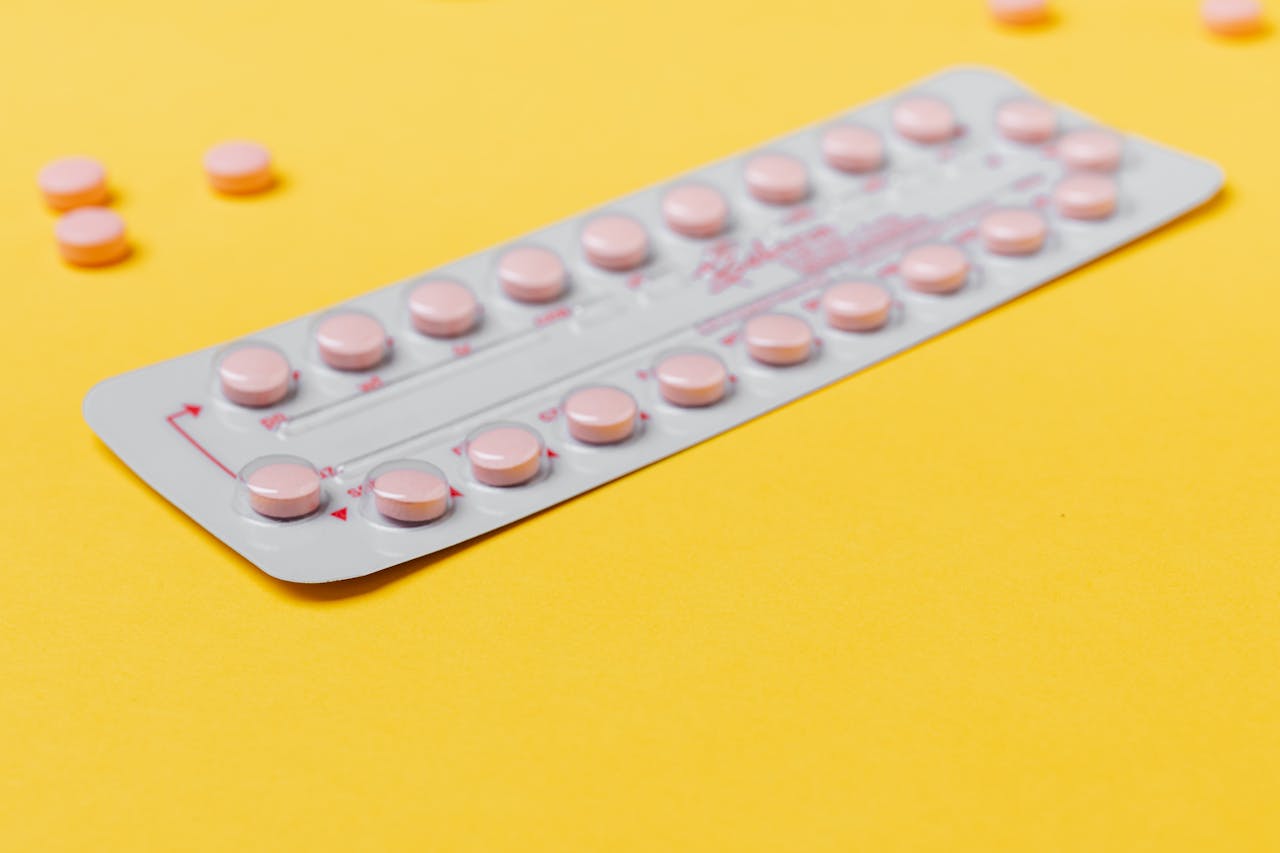
One of their most striking discoveries was that women who used combined oral contraceptives were three times more likely to experience a cryptogenic stroke compared to non-users.(Pexels Photo)
For millions of women, combined hormonal contraceptives are a part of their daily life – providing a convenient and effective option for preventing pregnancy and managing their menstrual cycle.
But new findings are sounding the alarm on a serious, and often overlooked, risk: stroke.
According to recent findings presented at the European Stroke Organisation Conference, combined oral hormonal contraceptives (which contains both oestrogen and progestogen) may significantly increase the chance of women experiencing a cryptogenic stroke. This is a sudden and serious type of stroke that occurs with no obvious cause.
Surprisingly, in younger adults – particularly women – cryptogenic strokes make up approximately 40% of all strokes. This suggests there may be sex-specific factors which contribute to this risk – such as hormonal contraception use. These recently-presented findings lend themselves to this theory.
At this year’s conference, researchers presented findings from the Secreto study. This is an international investigation that has been conducted into the causes of unexplained strokes in young people aged 18 to 49. The study enrolled 608 patients with cryptogenic ischaemic stroke from 13 different European countries.
One of their most striking discoveries was that women who used combined oral contraceptives were three times more likely to experience a cryptogenic stroke compared to non-users. These results stood, even after researchers adjusted for other factors which may have contributed to stroke risk (such as obesity and history of migraines).
It’s well-documented that hormonal contraceptives, which contain both oestrogen and progestin, come with a small, increased risk of experiencing serious health events, including stroke – particularly ischaemic stroke, which occurs when blood flow to part of the brain is blocked.
But a study published earlier this year, which tracked over two million women, found that combined hormonal contraceptives – including the pill, intrauterine devices (IUD), patches and vaginal rings, which all contain both synthetic oestrogen and progestogen – were linked to higher risks of both stroke and heart attack. The vaginal ring increased stroke risk by 2.4 times and 3.8 times for heart attack. The contraceptive patch was found to increase stroke risk by nearly 3.5 times.
Interestingly, they also looked at a progestin-only contraceptive (the IUD) and found there was no increased risk for either heart attacks or strokes.
Both of these recent findings suggest oestrogen may be the main driver of stroke risk. While absolute risk is still low – meaning fewer than 40 in every 100,000 women using a combined hormonal contraceptive will experience a stroke – the population-level impact is significant considering the number of women worldwide that use a combined hormonal contraceptive.
Oestrogen and stroke risk
Combined hormonal contraceptives contain synthetic versions of the sex hormones oestrogen (usually ethinylestradiol) and a progestin (the synthetic version of progestogen).
Natural oestrogen in the body plays a role in promoting blood clotting, which is important for helping wounds heal and prevents excessive bleeding.
But the synthetic oestrogen in contraceptives is more potent and delivered in higher, steady doses. It stimulates the liver to produce extra clotting proteins and reduces natural anticoagulants — tipping the balance toward easier clot formation. This effect, while helpful in stopping bleeding, can raise the risk of abnormal blood clots that can lead to conditions such as stroke. This risk may be even greater for people who smoke, experience migraines or have a genetic tendency to clot.
If a clot forms in an artery that supplies the brain or breaks off and travels through the bloodstream to the brain, this can block blood flow – causing what’s known as an ischaemic stroke. This is the most common type of stroke. Clots can also form in deep veins (such as those in the legs or around your organs).
In addition to clotting, oestrogen may also slightly raise blood pressure and affect how blood vessels behave over time, which can further increase stroke risk.
The effects of oestrogen on clotting may partly explain why the recent conference findings showed a link between combined contraceptive use and cryptogenic stroke risk. Cryptogenic stroke has no obvious cause, but is increasingly being linked to subtle, hidden risk factors – such as hormone-driven clotting.
Understanding risk
These numbers can sound alarming at first, but it’s important to keep them in perspective. The absolute risk – meaning the actual number of people affected – is still low.
For instance, researchers estimate that there may be one additional stroke per year for every 4,700 women using the combined pill.
That sounds rare, and for most users, it is. But when you consider that millions of women use these contraceptives globally, even a small increase in risk can translate into a significant number of strokes at the population level. Which is relative to what is seen with the high number of cryptogenic strokes in young women.
Despite the risks associated with combined hormonal contraceptives, many women continue to use them – either because they aren’t fully informed of the risks or because the alternatives are either less effective, less accessible or come with their own burdens.
Part of the reason this trade-off has become so normalised is the persistent under-funding and under-prioritisation of women’s health research. Historically, medical research has focused disproportionately on men – with women either excluded from studies or treated as an afterthought.
This has led to a limited understanding of how hormonal contraceptives affect female physiology beyond fertility control. As a result, the side-effects remain poorly understood, under-communicated and under-addressed.
Women have a right to make informed decisions about their health and body. This starts with having access to accurate information about the real risks and benefits of every contraceptive option. It means understanding, for example, that while combined hormonal contraceptives do carry a small risk of blood clots and stroke, pregnancy and the weeks following childbirth come with an even higher risk of those same complications. This context is vital for making truly informed choices.
No method of contraception is perfect. But when women are given the full picture, they can choose the method that best suits them. We also need more research that reflects the diversity and complexity of women’s bodies – not just to improve safety, but to expand options and empower decisions.
Laura Elin Pigott, Senior Lecturer in Neurosciences and Neurorehabilitation, Course Leader in the College of Health and Life Sciences, London South Bank University
This article is republished from The Conversation under a Creative Commons license. Read the original article.




















