

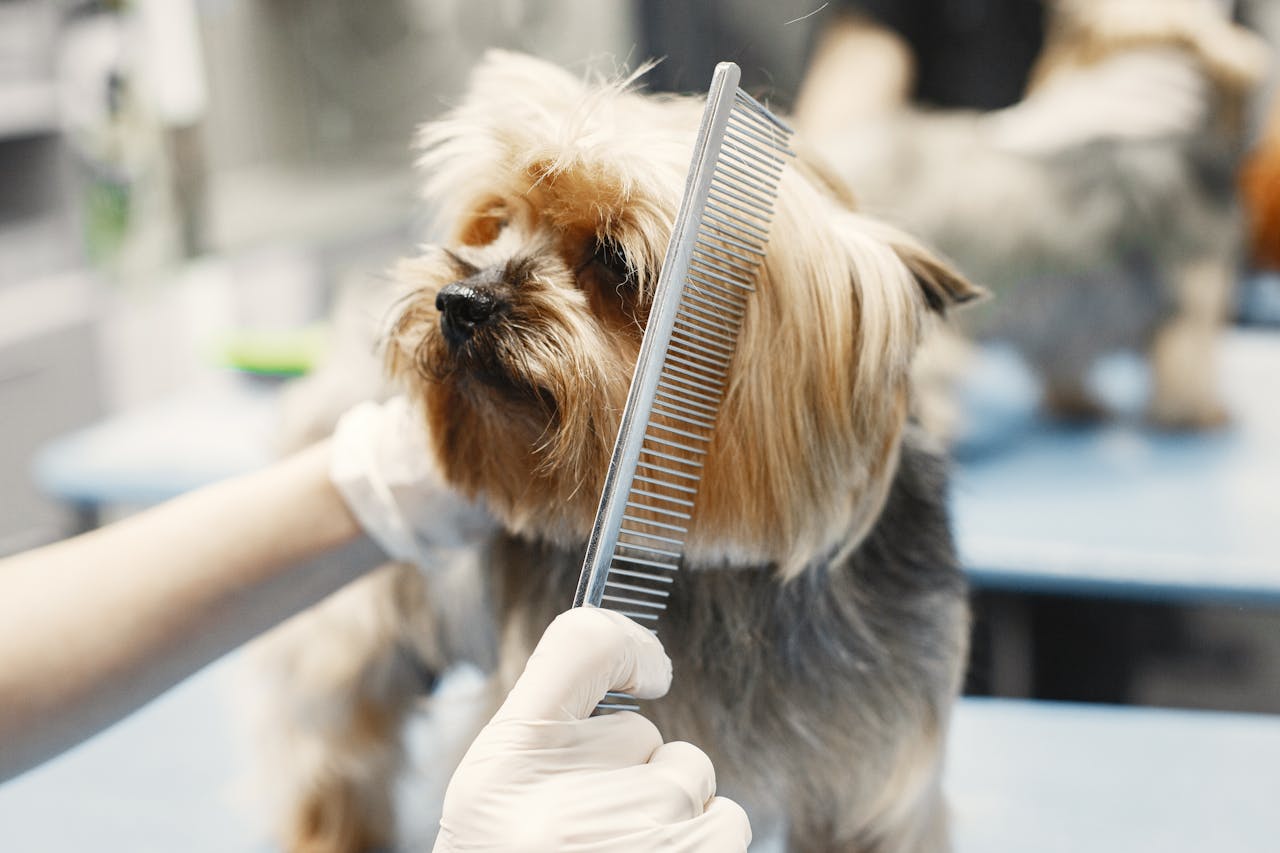
Some mammals are super hairy, some are not. (Pexels Photo)
By Maria Chikina, University of Pittsburgh, The Conversation
Curious Kids is a series for children of all ages. If you have a question you’d like an expert to answer, send it to [email protected].
Why don’t humans have hair all over their bodies like other animals? – Murilo, age 5, Brazil
Have you ever wondered why you don’t have thick hair covering your whole body like a dog, cat or gorilla does?
Humans aren’t the only mammals with sparse hair. Elephants, rhinos and naked mole rats also have very little hair. It’s true for some marine mammals, such as whales and dolphins, too.
Scientists think the earliest mammals, which lived at the time of the dinosaurs, were quite hairy. But over hundreds of millions of years, a small handful of mammals, including humans, evolved to have less hair. What’s the advantage of not growing your own fur coat?
I’m a biologist who studies the genes that control hairiness in mammals. Why humans and a small number of other mammals are relatively hairless is an interesting question. It all comes down to whether certain genes are turned on or off.
Hair benefits
Hair and fur have many important jobs. They keep animals warm, protect their skin from the sun and injuries and help them blend into their surroundings.
They even assist animals in sensing their environment. Ever felt a tickle when something almost touches you? That’s your hair helping you detect things nearby.
Humans do have hair all over their bodies, but it is generally sparser and finer than that of our hairier relatives. A notable exception is the hair on our heads, which likely serves to protect the scalp from the sun. In human adults, the thicker hair that develops under the arms and between the legs likely reduces skin friction and aids in cooling by dispersing sweat.
So hair can be pretty beneficial. There must have been a strong evolutionary reason for people to lose so much of it.
Why humans lost their hair
The story begins about 7 million years ago, when humans and chimpanzees took different evolutionary paths. Although scientists can’t be sure why humans became less hairy, we have some strong theories that involve sweat.
Humans have far more sweat glands than chimps and other mammals do. Sweating keeps you cool. As sweat evaporates from your skin, heat energy is carried away from your body. This cooling system was likely crucial for early human ancestors, who lived in the hot African savanna.
Of course, there are plenty of mammals living in hot climates right now that are covered with fur. Early humans were able to hunt those kinds of animals by tiring them out over long chases in the heat – a strategy known as persistence hunting.
Humans didn’t need to be faster than the animals they hunted. They just needed to keep going until their prey got too hot and tired to flee. Being able to sweat a lot, without a thick coat of hair, made this endurance possible.
Genes that control hairiness
To better understand hairiness in mammals, my research team compared the genetic information of 62 different mammals, from humans to armadillos to dogs and squirrels. By lining up the DNA of all these different species, we were able to zero in on the genes linked to keeping or losing body hair.
Among the many discoveries we made, we learned humans still carry all the genes needed for a full coat of hair – they are just muted or switched off.
In the story of “Beauty and the Beast,” the Beast is covered in thick fur, which might seem like pure fantasy. But in real life some rare conditions can cause people to grow a lot of hair all over their bodies. This condition, called hypertrichosis, is very unusual and has been called “werewolf syndrome” because of how people who have it look.

National Gallery of Art
In the 1500s, a Spanish man named Petrus Gonsalvus was born with hypertrichosis. As a child he was sent in an iron cage like an animal to Henry II of France as a gift. It wasn’t long before the king realized Petrus was like any other person and could be educated. In time, he married a lady, forming the inspiration for the “Beauty and the Beast” story.
While you will probably never meet someone with this rare trait, it shows how genes can lead to unique and surprising changes in hair growth.
Hello, curious kids! Do you have a question you’d like an expert to answer? Ask an adult to send your question to [email protected]. Please tell us your name, age and the city where you live.
And since curiosity has no age limit – adults, let us know what you’re wondering, too. We won’t be able to answer every question, but we will do our best.
Maria Chikina, Assistant Professor of Computational and Systems Biology, University of Pittsburgh
This article is republished from The Conversation under a Creative Commons license. Read the original article.




















