
Business and Economy
A global recession is coming, economists warn

By Alexandra Mae Jones, CBC News, RCI
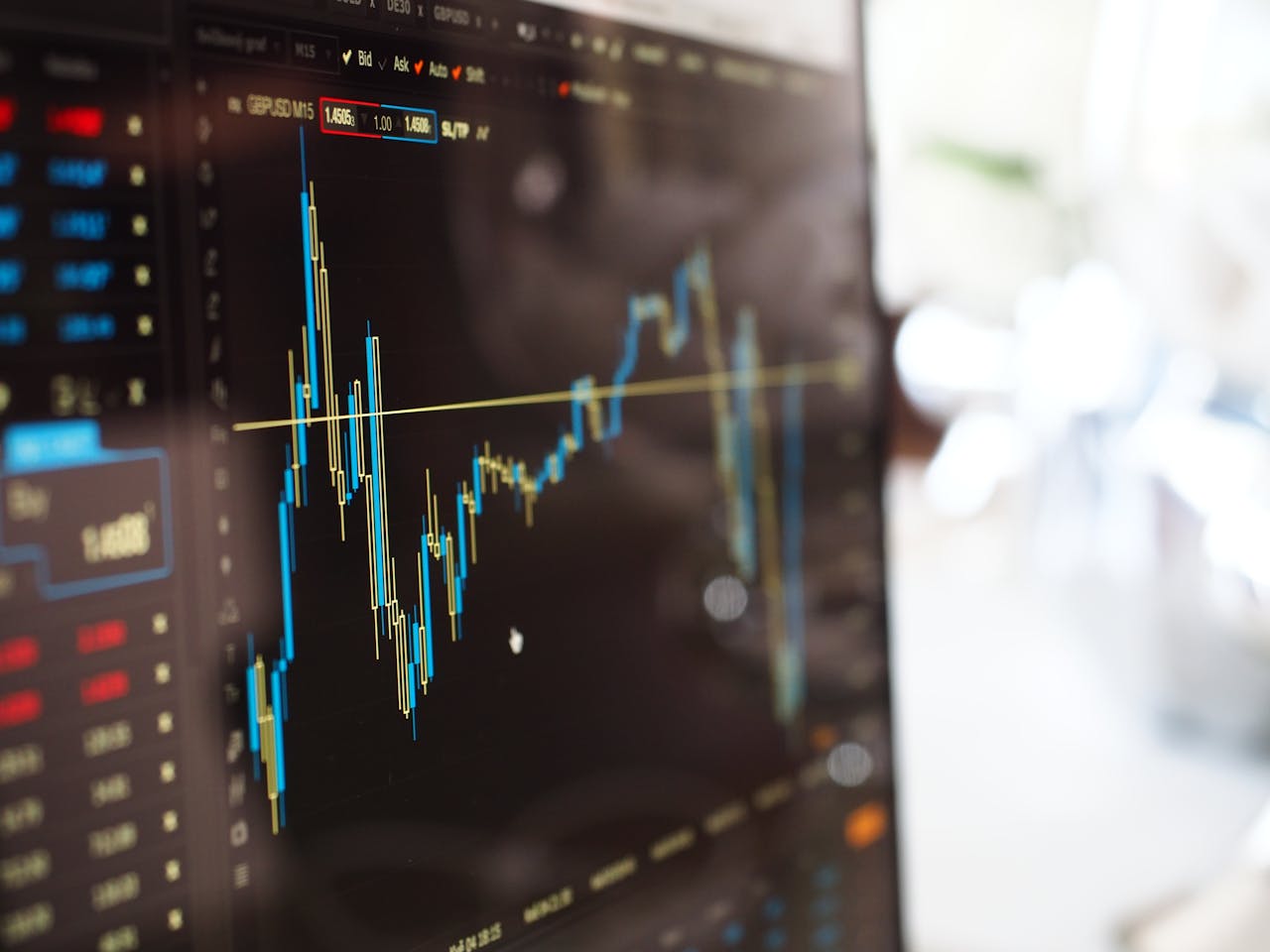
Those tariffs backfired when Washington’s trading partners retaliated, he said. (Pexels Photo)
Worldwide economic slump could set in by summer, unless Trump changes direction
The escalating trade war between the U.S. and nearly every single one of its major trading partners has sparked a flurry of predictions and concerns that a global recession could be around the corner.
And economists who spoke to CBC News say one is virtually inevitable, unless we see a big pivot from the U.S. soon.
I don’t know how we would avoid it,
Mark Zandi, chief economist at Moody’s Analytics, told CBC News’s Power & Politics on Monday.
This is a pretty dark scenario, both for the U.S. and, by extension, Canada and the rest of the world.
In the wake of U.S. President Donald Trump announcing sweeping global tariffs last week, the brokerage firm J.P. Morgan put the chances of a global recession at 60 per cent, up from 40 per cent at the end of March.
We haven’t seen this type of tariff trade war in a 100 years,
said Moshe Lander, senior lecturer of economics at Concordia University, referring to when the U.S. doled out tariffs after the stock market crash of 1929.
Those tariffs backfired when Washington’s trading partners retaliated, he said.
‘Entering one as we speak’
A recession is traditionally defined as two consecutive quarters of losses in a country’s GDP. In a global recession, those losses would occur across multiple economies worldwide, says Tu Nguyen, an economist with RSM Canada.
There’s no set-in-stone
definition for how many countries need to be in turmoil, she said, but with major economies including China and the European Union all facing trade uncertainty amid heavy U.S. tariffs, the writing on the wall is clear.
If the U.S. does not change its policy stance on tariffs… we would expect a recession to be defined in the next six months,
Nguyen said.
I think it’s reasonable to say that we are entering one as we speak.
Zandi predicts that the U.S. would begin to feel the effects of a recession by June or July if Trump doesn’t find an off-ramp.
The clash between the U.S. and China, the two largest economies on the planet by orders of magnitude,
is one of the biggest hurdles, he said.
WATCH | Global recession likely, economist says:
‘Brace for impact’ as global recession likely under tariffs: Moody’s chief economist
As countries counter U.S. President Donald Trump’s global tariffs, Moody’s chief economist Mark Zandi tells Power & Politics a global recession is likely to hit in June or July and ‘there is no going back’ if the U.S. is unable to de-escalate soon.
After China matched Trump’s tariffs, he levied even more — meaning that, when those latest tariffs kick in on Wednesday, imports from China will be a stunning 104 per cent.
If both countries keep raising their tariffs tit for tat, we’re going to end up with very little trade between the two countries and the fallout from that is just going to be very difficult to overcome,
Zandi said.
Global vs. national recessions
A global recession isn’t felt equally across all countries. For instance, during the global financial crisis of 2008, Canada went through a period of reduced economic activity, but did quite OK, all things considered,
Nguyen said.
However, Canada’s positioning in this upset isn’t looking good.
The escalating trade war between the U.S. and nearly every single one of its major trading partners has sparked a flurry of predictions and concerns that a global recession could be around the corner.
And economists who spoke to CBC News say one is virtually inevitable, unless we see a big pivot from the U.S. soon.
I don’t know how we would avoid it,
Mark Zandi, chief economist at Moody’s Analytics, told CBC News’s Power & Politics on Monday.
This is a pretty dark scenario, both for the U.S. and, by extension, Canada and the rest of the world.
In the wake of U.S. President Donald Trump announcing sweeping global tariffs last week, the brokerage firm J.P. Morgan put the chances of a global recession at 60 per cent, up from 40 per cent at the end of March.
We haven’t seen this type of tariff trade war in a 100 years,
said Moshe Lander, senior lecturer of economics at Concordia University, referring to when the U.S. doled out tariffs after the stock market crash of 1929.
Those tariffs backfired when Washington’s trading partners retaliated, he said.
‘Entering one as we speak’
A recession is traditionally defined as two consecutive quarters of losses in a country’s GDP. In a global recession, those losses would occur across multiple economies worldwide, says Tu Nguyen, an economist with RSM Canada.
There’s no set-in-stone
definition for how many countries need to be in turmoil, she said, but with major economies including China and the European Union all facing trade uncertainty amid heavy U.S. tariffs, the writing on the wall is clear.
If the U.S. does not change its policy stance on tariffs… we would expect a recession to be defined in the next six months,
Nguyen said.
I think it’s reasonable to say that we are entering one as we speak.
Zandi predicts that the U.S. would begin to feel the effects of a recession by June or July if Trump doesn’t find an off-ramp.
The clash between the U.S. and China, the two largest economies on the planet by orders of magnitude,
is one of the biggest hurdles, he said.
WATCH | Global recession likely, economist says:
‘Brace for impact’ as global recession likely under tariffs: Moody’s chief economist
As countries counter U.S. President Donald Trump’s global tariffs, Moody’s chief economist Mark Zandi tells Power & Politics a global recession is likely to hit in June or July and ‘there is no going back’ if the U.S. is unable to de-escalate soon.
After China matched Trump’s tariffs, he levied even more — meaning that, when those latest tariffs kick in on Wednesday, imports from China will be a stunning 104 per cent.
If both countries keep raising their tariffs tit for tat, we’re going to end up with very little trade between the two countries and the fallout from that is just going to be very difficult to overcome,
Zandi said.
Global vs. national recessions
A global recession isn’t felt equally across all countries. For instance, during the global financial crisis of 2008, Canada went through a period of reduced economic activity, but did quite OK, all things considered,
Nguyen said.
However, Canada’s positioning in this upset isn’t looking good.
This article is republished from RCI.




















