
News
U.S.-China Trade Conflict Deepens Amid Rising Global Economic Concerns

PCI
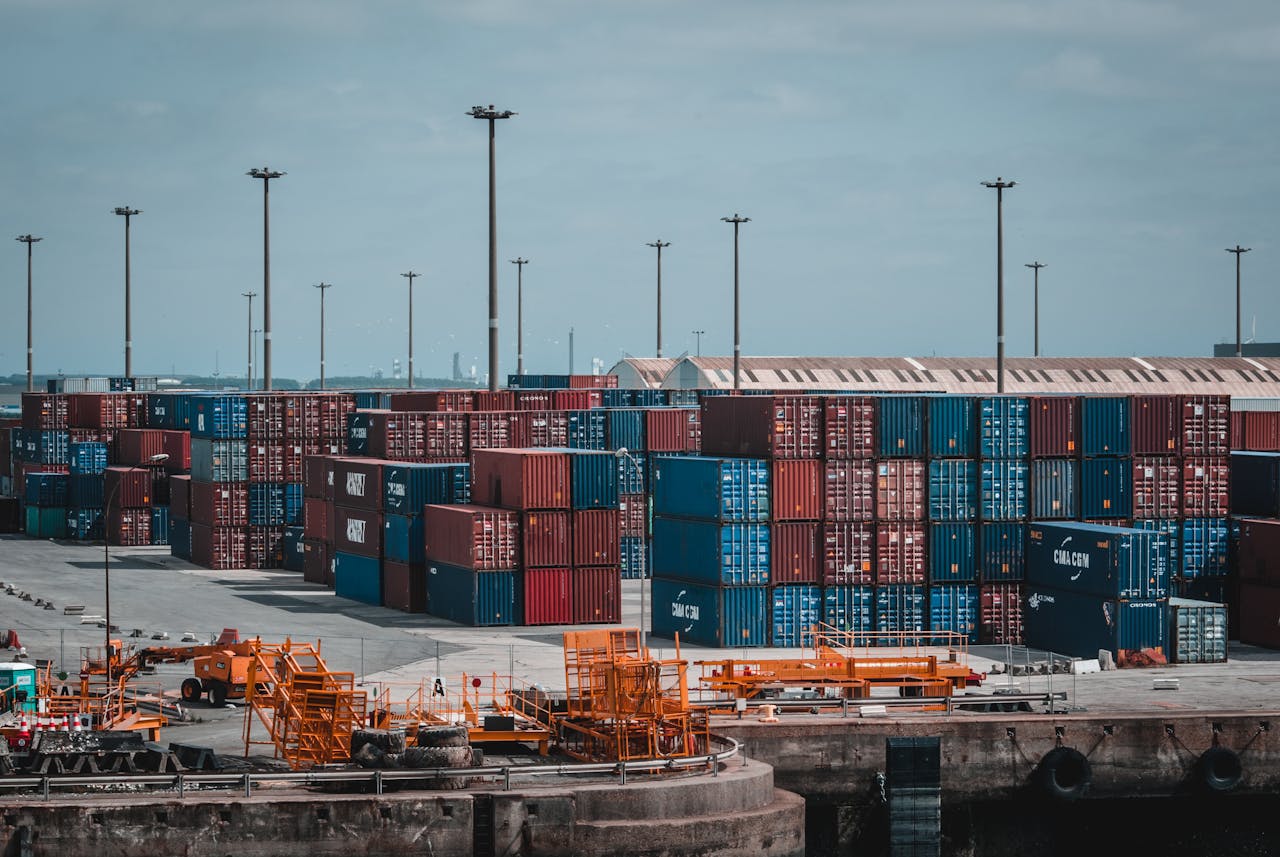
Trump thinks tariffs are important for bringing back manufacturing jobs to America. (Pexels Photo)
The trade conflict between the United States and China started when President Donald Trump imposed tariffs. This ongoing conflict still affects the global economy, and tensions are high. China has not accepted U.S. threats to raise tariffs on its goods. They called these threats “blackmail” and promised to resist more pressure from the U.S. China’s commerce ministry has stated that the country will remain strong despite rising trade tensions.
The Trump administration plans to impose tariffs on some Chinese goods that could go over 100%. This decision increased tensions between the United States and China. China has said it will take similar actions, which could cause a global trade war. The European Union has proposed tariffs on many U.S. products. This shows that more countries are pushing back against Trump’s protectionist policies.
Stock markets have experienced many ups and downs because of the trade conflict, but they may now stabilize. Stock markets in Asia, including Japan’s Nikkei and Hong Kong’s Hang Seng, have bounced back after dropping earlier this week. This indicates that investors are feeling more positive. However, markets in countries like Indonesia have faced more significant losses, prompting their central banks to intervene to stabilize the economy.
Trump thinks tariffs are important for bringing back manufacturing jobs to America. He argues that previous trade deals have hurt this industry. He sees these tariffs as a bigger plan to change global trade rules. This view has many strong supporters and loud critics among business people. JPMorgan Chase CEO Jamie Dimon and investor Bill Ackman have warned that some policies could hurt the U.S. economy in the long run.
The ongoing trade war has created uncertainty, leading to questions about future monetary policy actions. As concerns about a possible recession grow, markets expect the U.S. Federal Reserve to consider lowering interest rates to help reduce economic damage. Federal Reserve Chairman Jerome Powell has taken a careful approach, leaving many people curious about the long-term effects of the trade conflict.
As the situation develops, the world is closely watching for the next steps in this serious economic standoff.




















