Canada News
Carney’s Cabinet: A New Direction for Canada

PCI
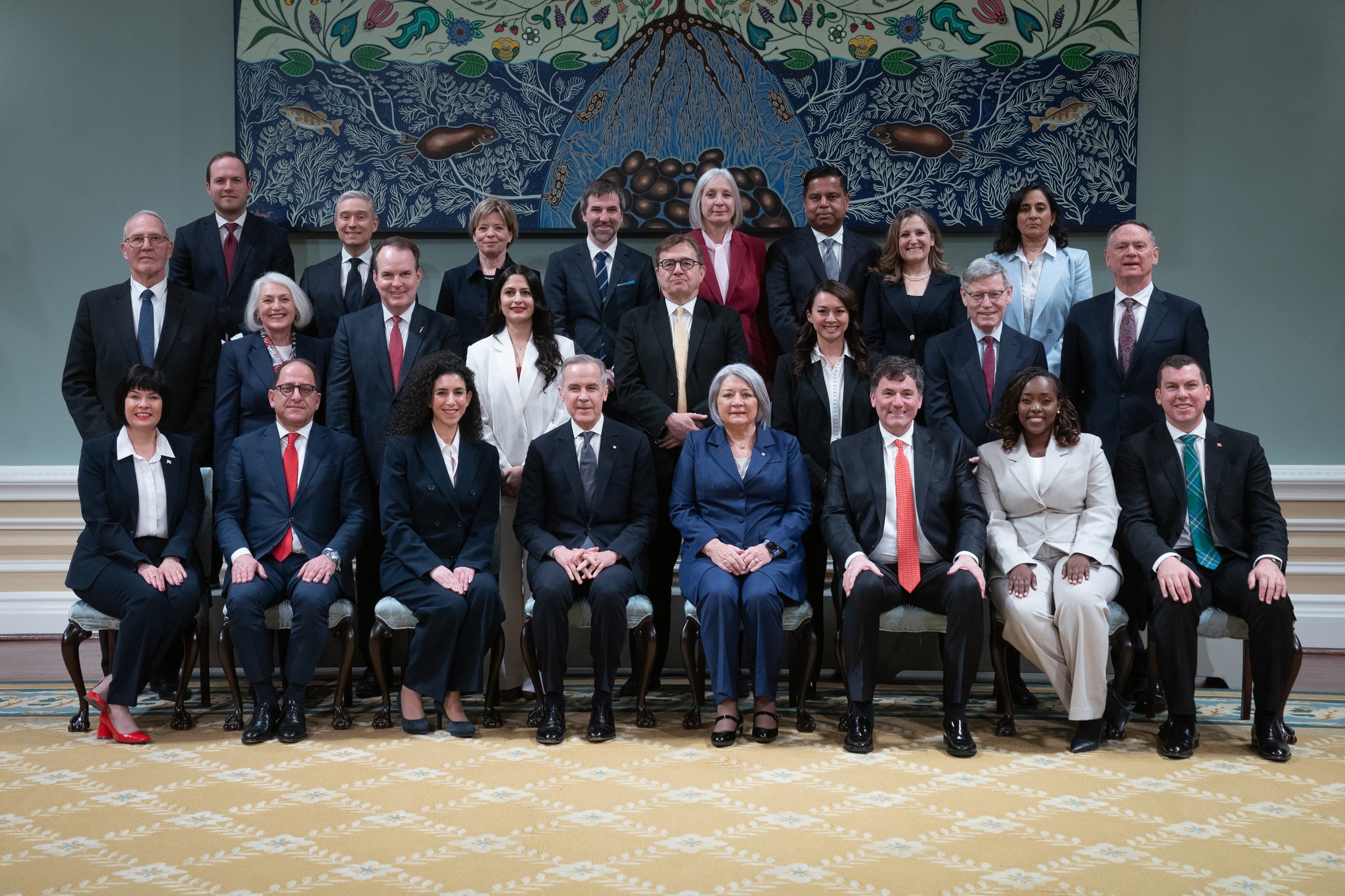
Canada, meet your new cabinet. We’ve built a smaller, focused, and experienced team that is made to meet this moment. (Photo: Mark Carney/Facebook)
Mark Carney is now the Prime Minister of Canada, a significant change in the country’s leadership. He replaces Justin Trudeau during a time of economic and global challenges. Carney, a former central banker, has made his first important decision: he is creating a smaller cabinet. This decision reflects his leadership style and the changes he wants to make.
Carney made significant changes to the cabinet. Eighteen ministers from the Trudeau government will not return. Some ministers, like Jean-Yves Duclos, Karina Gould, and Marc Miller, were removed completely. Other ministers, like Chrystia Freeland, have new roles that are not as important. Freeland, who was once deputy prime minister, now becomes Transport Minister, and the role of deputy prime minister has been eliminated. Carney wants to make the government more efficient and different with this change.
He has kept some familiar faces in important positions. Mélanie Joly will continue as Foreign Affairs Minister, and Jonathan Wilkinson will remain Minister of Natural Resources. Carney said he wants stability in key international matters, like trade with the U.S. and global economic relations.
Carney has appointed François-Philippe Champagne as the new Finance Minister, taking over from Bill Morneau. This decision shows that Carney wants fresh leadership in Canada’s economic problems. Additionally, Steven Guilbeault, who was the Environment Minister, is now the Minister for Canadian Culture and Identity. This shift suggests that Carney may focus more on climate policy.
Carney has appointed new members to his cabinet. Arielle Kayabaga is now Government House Leader, Ali Ehsassi will oversee Public Services and Procurement, and Kody Blois is the new Agriculture Minister. These appointments show that Carney wants to bring in new energy and perspectives.
Carney is changing his cabinet to create a different leadership style. He is shrinking the cabinet and bringing in both familiar faces and new people, aiming to create a new direction for the government.
Carney has experience in central banking, especially during the financial crisis and his time at the Bank of England during Brexit. This gives him the credibility to manage economics. Carney’s past business experience, especially at Brookfield, has raised some concerns. With an upcoming election, he has little time to show how his plans for Canada differ from Trudeau’s Trudeau’s policies, especially on the carbon tax.
In the next few months, Carney must manage what his party, the public, and the international community expect from him. His new cabinet is smaller but aims to lead Canada in a fresh direction, addressing the country’s challenges and setting a new tone for the future.