
Sports
Alberta’s new sport legislation built on fear and discrimination

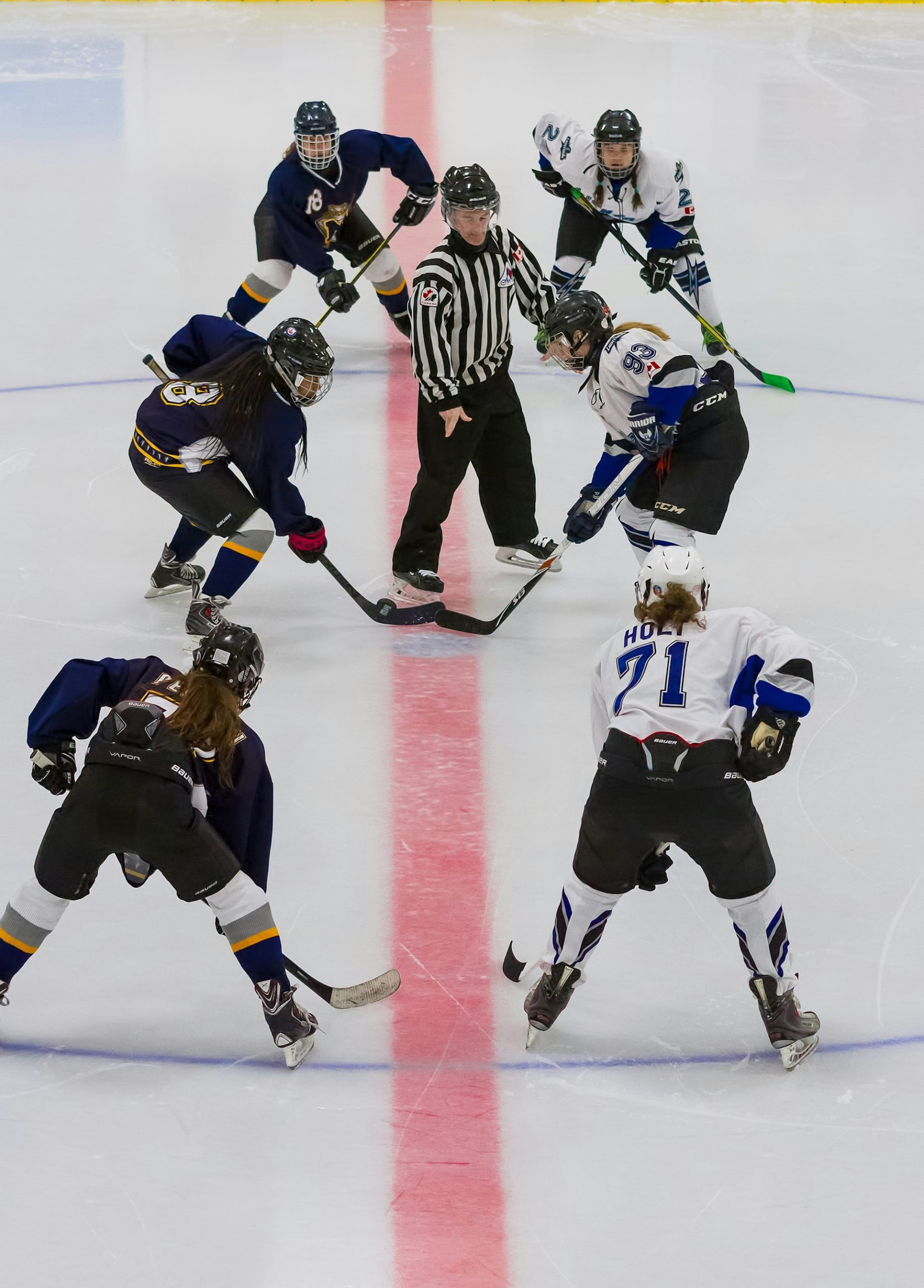
The choice facing Albertans isn’t about protecting women’s sports. It’s about whether we want to build a sporting culture based on fear and discrimination or one based on evidence, inclusion and fairness. (File Photo: John McArthur/Unsplash)
Alberta’s new Fairness and Safety in Sport Act marks a drastic shift in how amateur sports will be governed across the province. The deceptively named legislation certainly isn’t about protecting women’s sport, but rather entrenching discrimination through sweeping regulations to take effect in September.
A framework built on fear
After months of unfurling her vision, Premier Danielle Smith’s United Conservative government crafted legislation that will force every educational institution and amateur sports organization in the province to police gender. Schools, universities and sports clubs will be required not just to bar transgender women and girls from competition, but to investigate an athlete’s sex and dig through birth records. These changes could target children as young as 12.
The legislation’s most concerning aspect is what’s not in it. There are no specific provisions for “female-only” divisions or birth certificate requirements. All these details are to come later through regulations, which face far less public scrutiny than legislation. When Smith talks about restricting sports to “female-born athletes” or checking birth records, she’s not referencing anything in the actual law. Instead, she’s describing regulations her government has yet to write.
Who gets to be a woman in sports?
The impact of this legislation extends far beyond transgender athletes. Consider Olympic boxing gold medallist Imane Khelif. She faced a barrage of harassment from people who decided — based solely on her appearance and strength — that she must be transgender. She isn’t — but that didn’t stop the attacks. This isn’t an isolated response. Throughout sports history, women who display strength, power or athletic excellence have faced scrutiny about their “real” gender. Women athletes who don’t conform to traditional feminine expectations often find their very identity questioned.
Let’s think about what that will mean for young athletes in Alberta. A 12-year-old girl risks being pulled from her soccer team based on someone’s suspicion, but we don’t know who will have the authority to accuse her or how she will be able to defend herself. Imagine being that child’s parents, who will have to explain why their daughter is being investigated because someone thought she was “too strong” or “too athletic” to be a “real girl.”
The science behind the politics
The fundamental premise behind the Fairness and Safety in Sport Act is that transgender women have an inherent biological advantage in sports. But that does not hold under scientific scrutiny. A comprehensive review by the Canadian Centre for Ethics in Sport reveals a far more complex reality than the simple gender binary the law is designed to enforce. The research shows no inherent athletic advantage for transgender women. Factors including testosterone levels and physical characteristics fail to predict athletic performance.
The science does show that factors such as coaching, training time and access to equipment are what really determine athletic success. The review also highlights a critical oversight: Most studies ignore sports in which cisgender women typically outperform men — for example, in long-distance swimming —and rely on flawed comparisons that don’t account for the complexity of athletic performance.
The real barriers to fairness
While the legislation is said to protect fairness in sports, it ignores well-documented challenges that hold athletes back. Research consistently shows that transgender people — particularly trans women — face significant health, economic and social barriers to participating in sports at all. More broadly, women’s sports continue to face systemic inequities that affect all athletes regardless of gender identity.
The reality is that, across all levels of sport, women athletes continue to face persistent sexual harassment and abuse in athletic programs, while dealing with chronic underfunding of their teams and programs. They struggle with limited access to quality facilities and equipment, face significant pay inequity and often lack adequate training resources. These challenges are compounded by relentless societal pressure about body image and appearance, all while women’s sports receive a fraction of the media coverage and recognition given to men’s athletics.
These problems are a daily reality for women athletes. And while the Alberta government creates new barriers and exclusions, fundamental inequities continue to hold back generations of athletes. Instead of addressing these real challenges, the new law creates even more by adding another layer of scrutiny and discrimination to an already uneven playing field.
A better path forward
Alberta should be working to make sports better for everyone. Imagine if the government made sure every school had adequate sports facilities, provided equal access to training equipment and resources, and created welcoming spaces for all athletes. The province could invest in qualified coaches for all teams, develop comprehensive training programs and ensure every athlete had access to proper nutrition and health support.
Real reform means addressing systemic inequities that have plagued sports for generations. It means bringing in pay equity across all levels, taking serious action against harassment and abuse, and developing truly inclusive recruitment strategies. It means creating environments where athletes are supported based on their dedication and potential, not judged by their appearance or identity.
We know this approach works. In Norway, a “joy of sport for all” program has transformed community athletics by ensuring every school has quality facilities and professional coaching programs. The model shows that when governments fund broad sports infrastructure —from training facilities to nutrition support —participation grows everywhere. All athletes, regardless of identity or background, have access to the resources they need to pursue their passion for sports.
The choice ahead
The choice facing Albertans isn’t about protecting women’s sports. It’s about whether we want to build a sporting culture based on fear and discrimination or one based on evidence, inclusion and fairness. National sporting bodies like U Sports are already suggesting they might bypass Alberta entirely — a warning sign of the isolation and missed opportunities this legislation could bring.
Real fairness in sports comes from creating environments in which every athlete can thrive and where success is determined by dedication and hard work. It is not about conforming to someone else’s idea of what an athlete should look like.
Science, policies of many sports organizations and legal protection for gender identity and expression in the Canadian Human Rights Act all point in the same direction. The question is whether we’re brave enough to follow.
This article first appeared on Policy Options and is republished here under a Creative Commons license.




















