

By James Hayton, University of Warwick; The Conversation
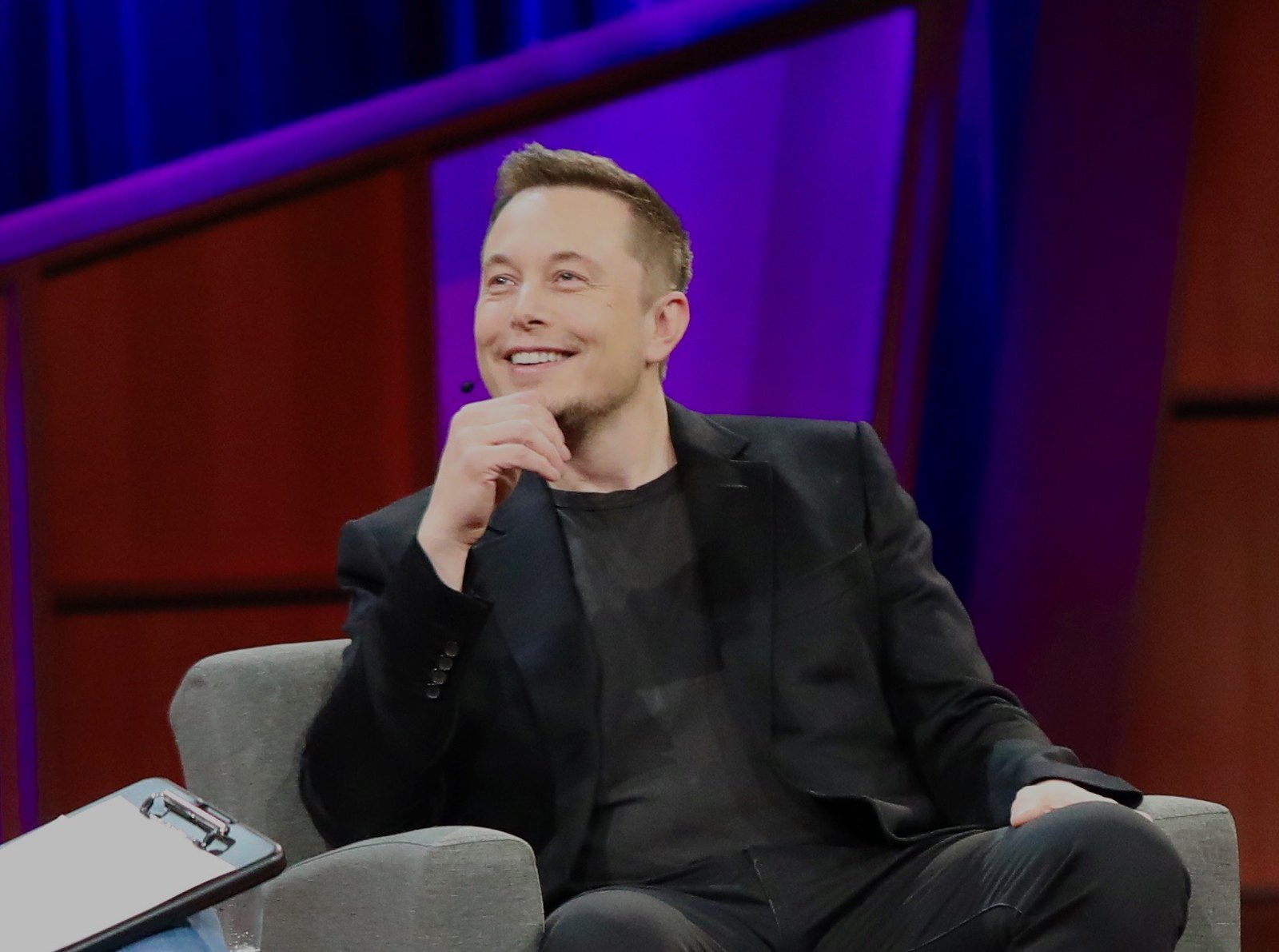
Musk’s appointment – like many things he’s involved with – has sparked controversy. (File Photo: Steve Jurvetson/Flickr, CC BY 2.0)
Donald Trump and Elon Musk have apparently become great friends over recent months. Musk poured millions of dollars into Trump’s successful election campaign, and has been a vocal and visible supporter of the president-elect.
In return he’s been given a new job, in joint charge of the new Department of Government Efficiency (Doge), where he will be tasked with streamlining government operations and reducing bureaucracy.
This “department” – actually an advisory group – will aim to cut unnecessary spending and make the general functioning of the US government more efficient. The idea is that within a federal budget of over US$6 trillion, there are opportunities to make some big savings.
Musk’s appointment – like many things he’s involved with – has sparked controversy. The richest man in the world has already said he wants to cut spending by US$2 trillion (£1.6 trillion), and mentioned setting up a “leaderboard for most insanely dumb spending of your tax dollars”.
Some are concerned about the impact he could have on public services. Others fear he will use his position to promote his own business interests.
On the positive side, Musk has a very impressive CV when it comes to big organisations. He has created (or co-created) multi-billion-dollar businesses including Paypal, Tesla and SpaceX. He has founded startups involved in AI (xAI), tunnelling (the Boring Company), and medicine (Neuralink).
And research suggests that much of Musk’s success comes down to a relentless focus on efficiency. He has also been praised for the depth of his analytical thinking and innovative problem solving.
Tesla’s factory in California went from being the least productive car manufacturing plant in the US when it was owned by General Motors, to the most productive under Musk’s ownership. SpaceX has vastly reduced costs in the space cargo business.
So he has form. And Musk is not the first American business leader to offer private sector expertise to the world of politics.
Back in the 1960s, Robert McNamara, former president of the Ford Motor Company, served as secretary of defence under presidents John F. Kennedy and Lyndon B. Johnson. McNamara brought significant innovations to government efficiency which drew on his corporate experience.
He championed cost-benefit analysis and a data-driven approach to decision making, and was keen on reducing bureaucracy and promoting accountability in complex governmental processes. To achieve this, McNamara recruited a team of experts from the worlds of academia and business. Known as the “Whizz Kids”, they brought new perspectives to the White House.
In the UK now, the Labour government’s minister of state for investment is Poppy Gustafsson, a former venture capitalist and tech founder. Its minister for prisons is James Timpson, former CEO of the Timpson Group, a family firm renowned for hiring ex-offenders.
These people – and there are many other examples around the world – were brought into the political sphere because of the knowledge and vision they have demonstrated in the private sector. The hope is their talent and leadership will improve policy and practice.
Data-driven reform
The same must be hoped for Musk: that with his co-leader, Vivek Ramaswamy – a bio-tech entrepreneur and former Republican leadership candidate – he will bring expertise in cost-cutting and innovative strategies. This will probably include comprehensive audits and data-driven approaches to reform.
Critics refer to prior examples of Musk’s approach, such as the mass layoffs and aggressive cost-cutting measures at Twitter (now X), with concerns that there could be similarly drastic reductions in the federal workforce and public services.
But big job cuts were happening across the tech sector at that time. They came in the wake of reduced revenues and a need to reduce bloated workforces and ineffective functions – not unlike the challenges faced by the US government.
Nevertheless, while proponents see Musk as an experienced leader capable of streamlining bureaucracy, sceptics fear the advent of harmful austerity measures that risk disruption to essential public programmes.
Concerns have also been raised about potential conflicts of interest, as Musk’s business empire benefits from government contracts. However, since Doge will operate as an advisory body, concerns over him gaining advantage through any self-dealing seem overblown.
Besides, two of Musk’s companies (SpaceX and Tesla) have been awarded US$15.4 billion (£12.3bn) in federal contracts in the last decade. Perhaps then, success precedes influence rather than the reverse?
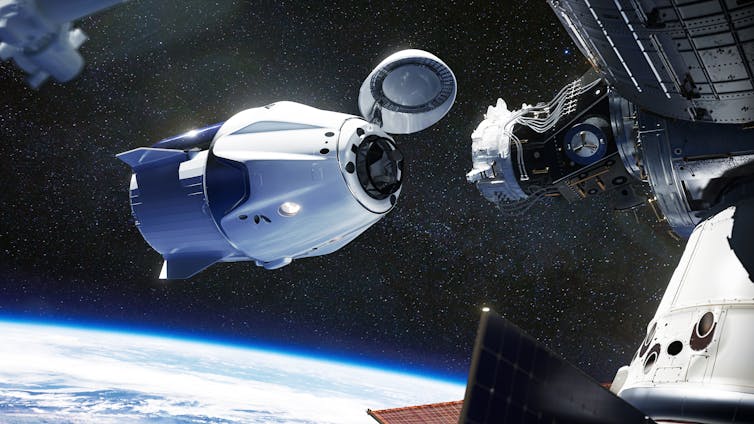
Evgeniyqw/Shutterstock
Doge will also be governed by the Federal Advisory Committee Act, which maintains legal and ethical guardrails. And Congress will have the final say over any decisions.
Fears of the worst possible outcome to Musk’s appointment are a natural human response in the face of uncertainty. It is part of the reason that negative headlines get more clicks than positive ones.
It is also true that Musk has aligned himself with a politician who divides opinion like few others. By leveraging his billions of dollars and 200 million followers on X to help Trump to victory, he made it clear which side he was on. And in a highly polarised US political landscape, the anguish about his governmental role may be little more than a knee-jerk reaction from the millions of people whose side he did not choose.
James Hayton, Vice Provost, Social Sciences and Professor of Innovation, University of Warwick
This article is republished from The Conversation under a Creative Commons license. Read the original article.




















