
Canada News
STATEMENT for the Sep 14-15 Canada-wide actions in collaboration with Migrant Rights Network Canada

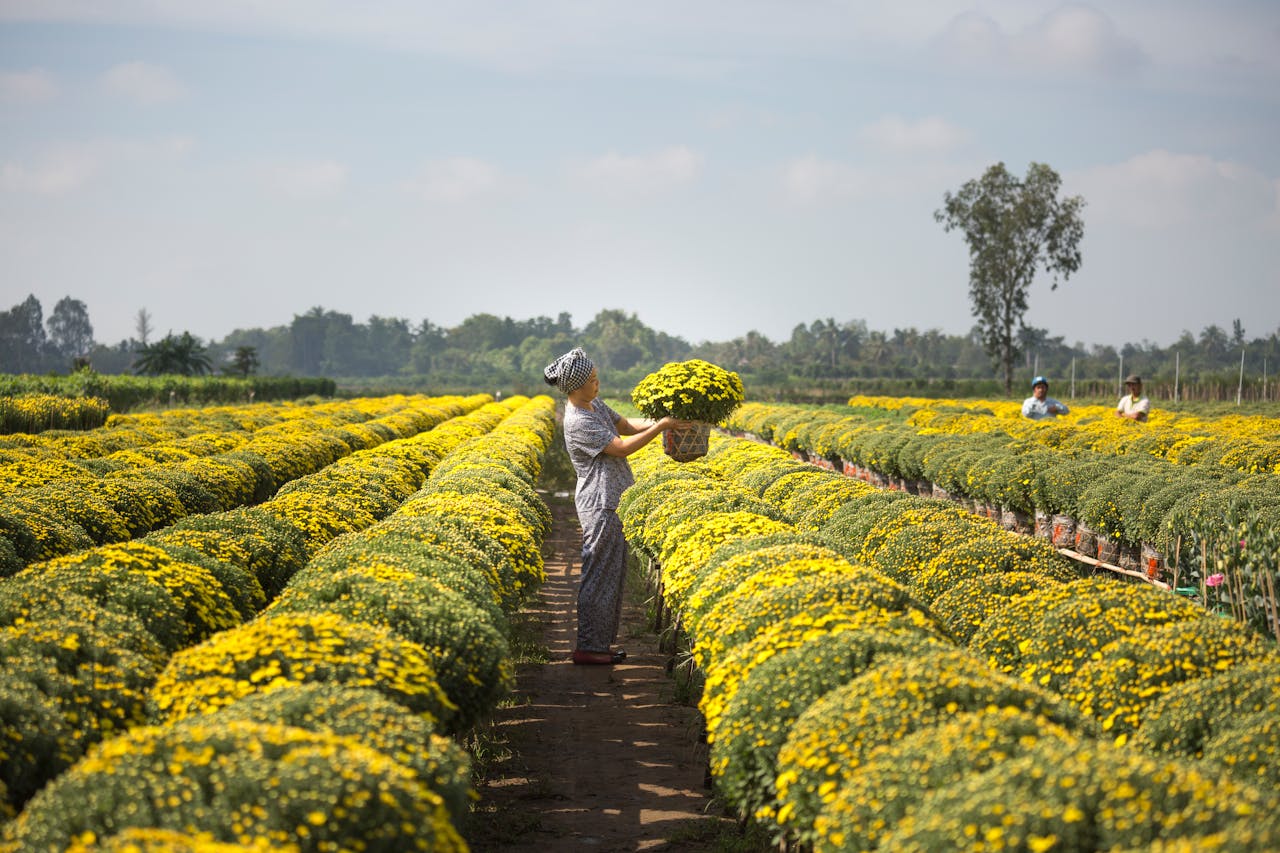
Over time, the program has expanded to include low-skilled and low-waged positions, particularly in agriculture and service industries. (Pexels Photo)
By Migrante Canada
MIGRANTS UNITE!
Fight for Decent Jobs! Fight for Decent Wages!
End the Breeding Grounds of Modern Forms of Slavery!
On September 6, 2023, Prof. Tomoya Obokata, the UN Special Rapporteur on Contemporary Forms of Slavery, released a critical report on Canada’s Temporary Foreign Worker Program (TFWP).
He declared that “Agricultural and low-wage streams of the temporary foreign workers program constitute a breeding ground for contemporary forms of slavery.
”
Prof. Obokata highlighted the precarious conditions faced by migrant workers under employer-specific work permits, also known as closed work permits, which restrict their ability to report abuses due to fears of deportation. In his report recommendations in the area of human rights of migrants, he called for the regularization of their status, the creation of clear pathways to permanent residency to combat these abuses, the regulation of the TFWP through bilateral agreements with sending countries and permit consular oversight and protection of workers, among other recommendations.
The TFWP created in 1973 like the Seasonal Agricultural Worker Program (SAWP) created in 1966 was designed to address labour shortages by allowing employers to hire foreign workers temporarily. Over time, the program has expanded to include low-skilled and low-waged positions, particularly in agriculture and service industries. Despite some reforms, the program has been criticized for fostering exploitative conditions, with workers bound to specific employers and exposed to significant vulnerabilities due, not only because of their precarious legal status, but also because they are temporary and they are migrants!
Obokata’s findings are particularly relevant for Filipino migrants in Canada, who frequently enter Canada through programs like the TFWP.
Many of these workers face harsh realities similar to modern forms of slavery: low wages, inadequate living conditions, and limited labour protections. The restrictive nature of employer-specific permits exacerbates their vulnerability, as reporting abuse could mean losing their jobs, risking reprisals from their employers and risking deportation.
The issues identified in Canada find parallels in the Philippine government’s own Labour Export Program (LEP), which has been in place for nearly 50 years.
Since its inception in 1974 under President Marcos Sr., the Philippines has become one of the world’s largest sources of overseas workers. In recent years, approximately 1.8 million Filipinos have been deployed annually for overseas work, with around 6,385 leaving daily. The Department of Migrant Workers reports that about 2.3 million Filipinos are deployed abroad as contractual workers, and the remittances sent back home totaled USD 37 billion in 2023, contributing 9.6% to the Philippine Gross Domestic Product.
Despite these substantial contributions from migrant labour, the Labour Export Program has led to conditions of modern-day slavery for many Filipinos, driven by low wages and inadequate labour protections. Reports like Obokata’s highlight the severe and ongoing problems faced by migrant workers, reinforcing the need for systemic change.
Migrante Canada recognizes that while status is important for migrant workers, addressing low wages and precarious working conditions are also pressing issues. The Canadian government’s reluctance to implement a living wage undermines workers’ ability to afford decent housing and meet basic needs, thereby perpetuating their exploitation. The government’s policy of closed work permits makes migrant workers vulnerable to threats if not actual forms of abuse, violence and deportation.
For the Philippines, addressing these issues requires fundamental changes to make national industrialization and genuine land reform a reality for Filipinos. Creating job opportunities will reduce the need for Filipinos to seek employment abroad under conditions of modern slavery.
Our calls remain clear:
Trabaho sa Pinas, Hindi sa Labas! | Jobs in the Philippines, Not Overseas!
Labour Export Program Ibasura! | Junk the Philippine Labour Export Program!




















