

By Liam Humphreys, Sheffield Hallam University; The Conversation
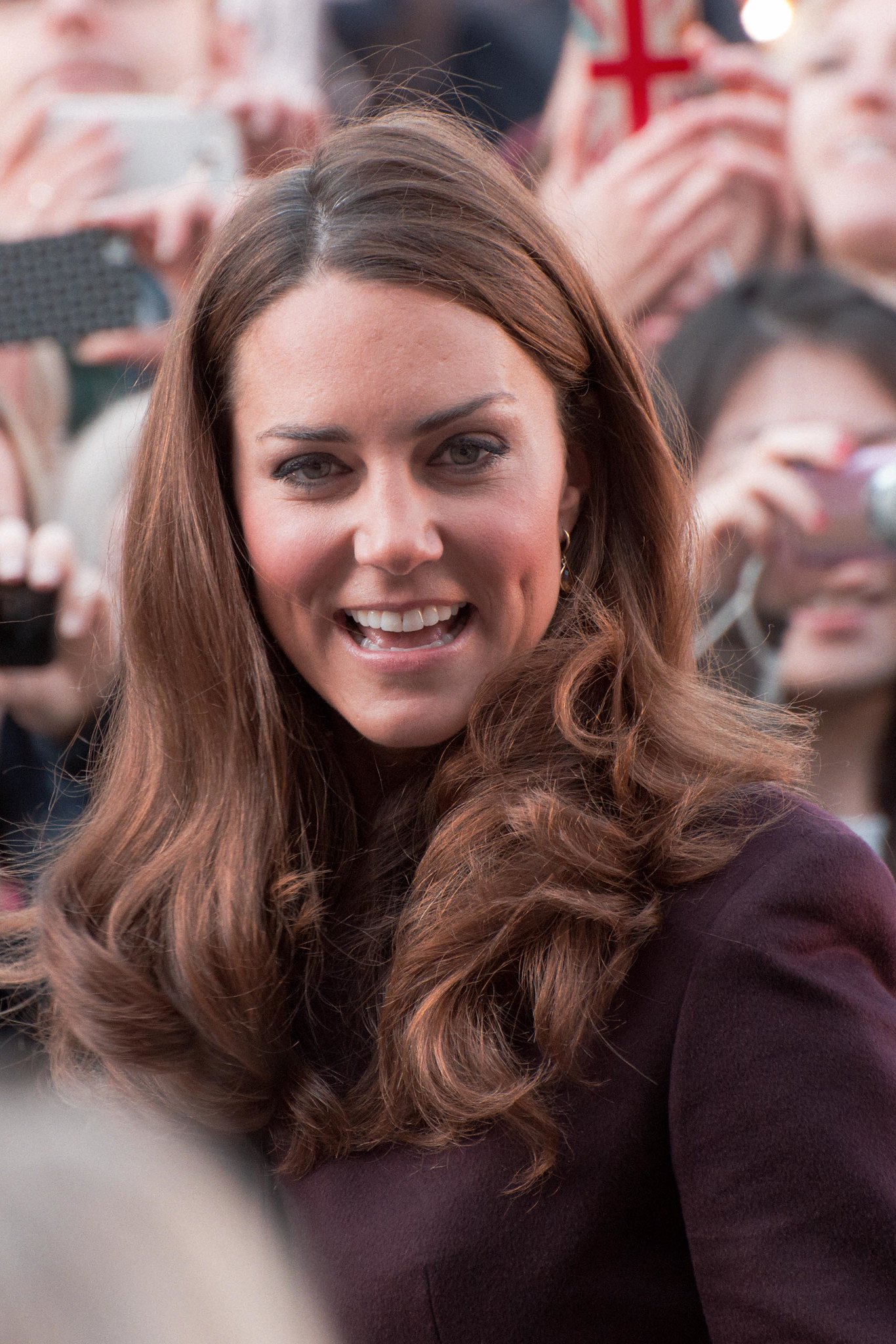
Following the news of her cancer diagnosis in March 2024, Catherine, Princess of Wales recently released a personal update about her treatment, expressing relief that her course of chemotherapy was now complete. (File Photo: Jeff Amann/Flickr, CC BY-ND 2.0)
Following the news of her cancer diagnosis in March 2024, Catherine, Princess of Wales recently released a personal update about her treatment, expressing relief that her course of chemotherapy was now complete.
Millions of people across the world receive chemotherapy each year – and it’s likely to increase. A 2019 study estimates the number of patients needing chemotherapy will rise by 53% from 9.8 million in 2018 to 15 million in 2040.
So, how best to look after your body during and after the treatment?
Along with surgery and radiation, chemotherapy is one of the most commonly used treatments for cancer. It aims to stop the growth of cancer cells, either by killing them or stopping them from dividing.
But chemotherapy does not differentiate between cancerous and healthy cells, so it’s associated with a variety of side-effects including fatigue, hair loss, mouth sores, nausea and vomiting, infections, memory and concentration problems – and emotional issues, from mood changes to anxiety and depression.
Chemotherapy can also have a long-term impact on the body. Late effects can include neuropathy (nerve damage), heart complications, and immune system suppression – all of which can occur months or even years after treatment.
Management and maintenance
Undergoing chemotherapy is physically exhausting and mentally draining – and some patients find their quality of life is severely affected by the treatment’s side-effects.
But research shows that many patients can better cope with chemotherapy by focusing on nutrition, exercise and their mental health both before and during treatment.
Patients undergoing chemotherapy can experience changes in taste and appetite, so it can be challenging to maintain proper nutrition during treatment. But a healthy diet is essential to help the body ease the side-effects of chemotherapy – and eating well can help keep patients’ weight stable and avoid malnutrition.
Easily digested foods with neutral flavours, such as porridge and eggs, might be better tolerated during treatment. Nutrient- and energy-dense foods such as nut butters, dried fruit, avocados, and nuts and seeds could also be good options. Some chemotherapy medications can cause “chemo mouth” – when the treatment affects taste to the extent that even water can become unpalatable. In this case, sipping clear broth can help maintain hydration.
Exercise can also be highly beneficial during chemotherapy, even if patients are struggling with fatigue. Gentle movement such as walking, stretching or yoga can help maintain fitness, reduce treatment-related fatigue and boost mood.
Studies have shown that regular, moderate-intensity exercise during cancer treatment can increase patients’ energy levels, improve their sleep quality, and reduce feelings of anxiety and depression. Although it is important not to overexert, even a few minutes of daily activity can make a difference.
As the princess of Wales shared in her update, cancer treatment is a deeply emotional journey as well as a physical one. Managing anxiety, depression and stress is vital for overall wellbeing.
A 2022 study found that maintaining a strong emotional support network can reduce treatment-related distress and improve quality of life. Counselling, therapy or support groups can provide a safe space for expressing emotions and fears.
Post-treatment recovery
After completing chemotherapy, recovery is a gradual process – the body needs time to regain strength and repair after the impact of the treatment.
In her video, the princess and her family walk and play in fields and woodland, highlighting the value of activity and connecting with the outdoors. Participants in a 2023 study reported that “nature was the most important resource in coping with their cancer”. Further research has shown that “exposure to, and interaction with, natural environments” can help improve the health of those recovering from cancer.
But running around outdoors might be the last thing on your mind after chemotherapy. Post-treatment, patients can experience severe fatigue, muscle weakness and reduced stamina. Some physical activity is essential to aid recovery, though.
Regular exercise, including cardiovascular and resistance training, helps rebuild muscle strength, improves cardiovascular health, and reduces the risk of cancer recurrence. Start with gentle exercises like walking, swimming or stretching. Over time, patients can increase the duration and intensity of their activities as their bodies allow.
This post-treatment period is a time to focus on mental and emotional recovery as well as rebuilding physical strength. As patients adjust to life after treatment, they may face feelings of anxiety, uncertainty or fear about cancer recurrence. The princess talked about the emotional difficulties of explaining her illness to her children, and of dealing with uncertainty about her future. Psychological resilience plays a key role in long-term recovery: research shows that addressing mental health concerns can significantly improve a patient’s quality of life.
The recovery process after chemotherapy is multifaceted, involving physical rehabilitation, management of long-term side effects, and emotional healing. By exercising, maintaining a healthy diet and focusing on their mental health, patients can rebuild their strength and wellbeing – and, as Catherine said to others going through cancer treatment, “let that light shine bright”.
Liam Humphreys, Senior Research Fellow, Physical Activity, Wellbeing and Public Health Research Group, Sheffield Hallam University
This article is republished from The Conversation under a Creative Commons license. Read the original article.




















