
Health
Study identifies microplastics in brain cells

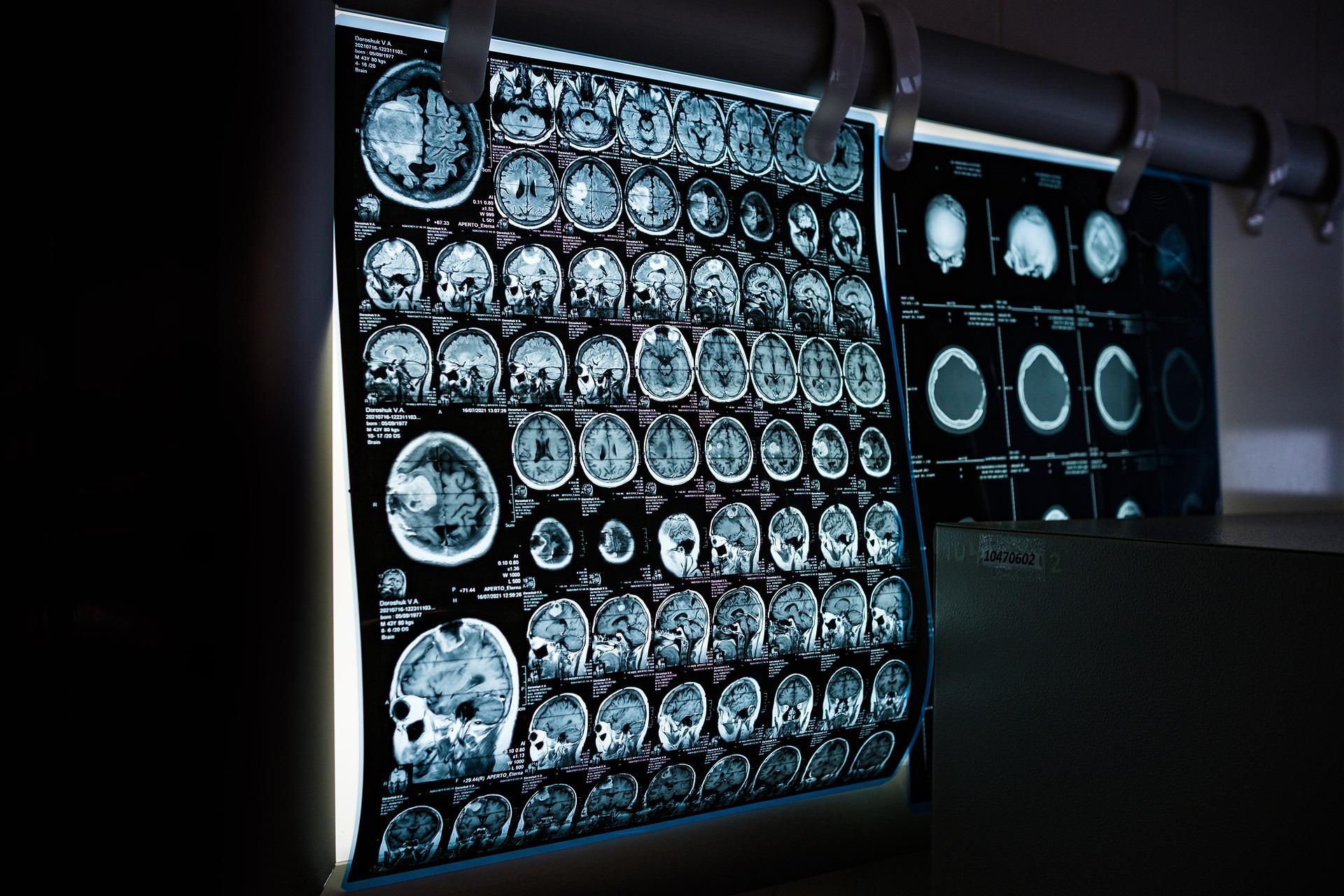
Highlighting that the brain is very different from other organs, Celtikci said: “There is a blood-brain barrier in the brain. Not everything in the blood passes exactly to the brain. (Pixabay photo)
ANKARA – A study by Turkish scientists, which found the existence of microplastics in brain cells, will shed light on whether these products, used daily, are a factor in Alzheimer’s, multiple sclerosis (MS), stroke and cerebral hemorrhage in the future.
The study conducted by Emrah Celtikci at Türkiye’s Gazi University Medical School Neurosurgery Department and Sedat Gundogdu from Cukurova University’s Fisheries Faculty was featured in a documentary in Canada and published as an article in The New York Times.
Pointing out that people have been intertwined with plastics for 100 years, Celtikci said: “For instance, when water is put into a plastic bottle, small pieces of plastic begin to separate and most of the separated pieces are made up of parts that are too small to be seen by the eye, called nano.
“Thus, they can pass unhindered to any part of the body. These are called microplastics.
”
Celtikci said he contacted the Microplastics Working Group in 2022 and examined studies conducted.
He explained that he turned to the subject after no study in the scientific literature showing if microplastics were found in the brain due to environmental factors.
Highlighting that the brain is very different from other organs, Celtikci said: “There is a blood-brain barrier in the brain. Not everything in the blood passes exactly to the brain.
“For example, there is no barrier between the vessels and the liver in the liver, but there is in the brain. There is filtering even in the transmission of blood in the brain.”
“Because when brain cells come into direct contact with blood, even healthy blood, it damages the brain. Therefore, we wanted to see if microplastics pass into the brain and if the blood-brain barrier prevents this,” he said.
Pointing out that he started a study with Gundogdu, he stressed: “In a preliminary study, we examined the MRI images of stage four tumors that the brain produces itself. These tumors normally destroy the blood-brain barrier by disrupting it.
“We identified the tumor that disrupts the blood-brain barrier and MRI images show that the blood-brain barrier is not disrupted. In the surgery, we took samples from the areas of the patient’s brain where the blood-brain barrier was and was not disrupted and examined whether there were microplastics in them.
“As a result of the examinations, we determined that there were microplastics all over the damaged and undamaged brain cells.
We are currently continuing to collect samples within the scope of the study and will work on 50 different samples one by one.”
Celtikci stated: “We have shown that microplastics are present in brain cells. The question is, do microplastics cause diseases such as dementia, MS, Alzheimer’s? Also, do they affect brain hemorrhages and stroke?”
Offers from many countries
Celtikci said a group preparing a documentary on the effects of plastics in Canada heard about the study and contacted the Turkish scientists.
Highlighting that the team came to Türkiye and included research conducted by Turkish scientists in the documentary, he said the documentary met an audience in Canada.
He added that after the process, the work carried out in Türkiye quickly started to be heard around the world, emphasizing the team received offers from countries, especially the US and Canada, to continue research and development in their countries.
Emphasizing that the preliminary results of the research were completed as a scientific article and sent to be published in an international medical journal, Celtikci underlined: “Our study was included in the documentary ‘Plastic People,’ which was shot in Canada to raise awareness about the harm of plastics, and was published as an article in The New York Times immediately afterward.
“In the article, it was stated that the study conducted in Türkiye revealed that plastics have now penetrated the brain,” he said. (Anadolu)




















