
Health
Psychedelics could make mental health worse in people with a personality disorder

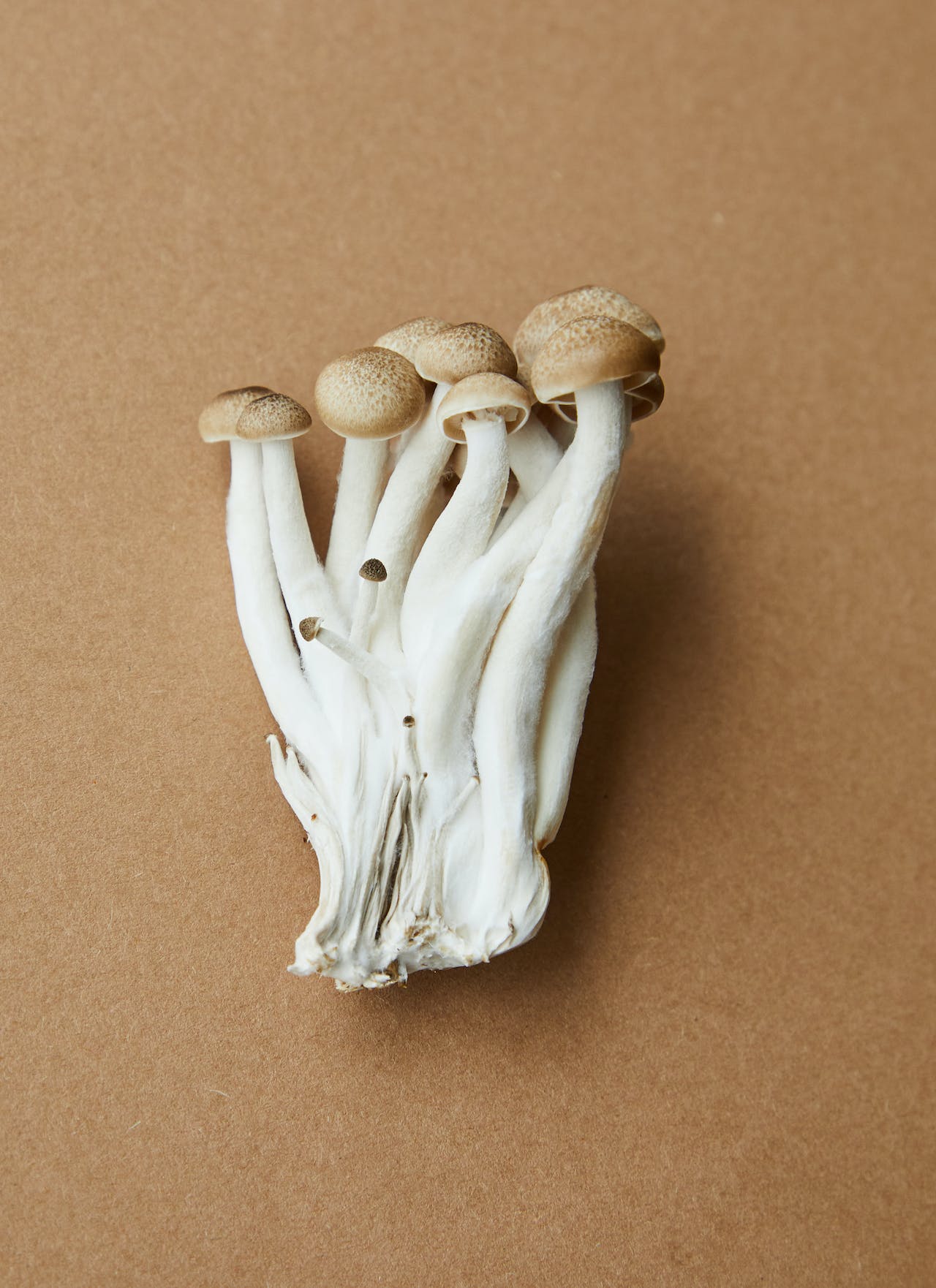
The study collected self-reported data from 807 people who used psychedelics in various settings, from recreational to therapeutic. (Pexels Photo)
The interest in psychedelics is growing both in scientific circles and among the public. These are powerful substances capable of altering perception, mood and various mental processes. They also show promise for treating a wide range of mental health disorders.
However, for their use to be safe and effective, it’s important to understand how they interact with different mental health conditions. This is especially true for personality disorders.
A personality disorder is a type of mental disorder involving rigid and unhealthy patterns of thinking, functioning and behaving, which significantly affect a person’s life. Understanding their interaction with psychedelics is crucial. These substances can deeply influence mental states. They can worsen or improve symptoms in ways unique to these disorders.
In a recent study, researchers at Imperial College London investigated the complex relationship between psychedelics and mental health, highlighting the potential risks for people with personality disorders.
The study collected self-reported data from 807 people who used psychedelics in various settings, from recreational to therapeutic. They measured participants’ mental wellbeing before and after using psychedelics using a scale called the Warwick-Edinburgh mental wellbeing scale. The researchers considered it a meaningful drop in mental health if someone’s happiness and wellbeing fell more than what was typical for most people in the study.
The researchers specifically looked at those who had negative experiences while on psychedelics. They found that only 16% of all participants reported an overall negative response. But a significant portion of these negative experiences (31%) were reported by people with a history of personality disorders.
However, the study has several limitations, including the reliance on self-reported data, the small number of participants and a 56% dropout rate. All of these factors would have skewed the results.
Other limitations include the lack of a control group (people given a placebo or standard treatment) for comparison. Additionally, there were variations in the types and dosages of psychedelics used.
The study’s method of participant selection could also lead to biased results. And lumping different personality disorders together might overlook specific risks associated with each.
Different responses
Various personality disorders might respond differently to psychedelics. For instance, people with histrionic personality disorder (excessive attention-seeking and emotional overreaction) or borderline personality disorder (emotional instability, intense relationships and fear of abandonment) might feel worse or more unstable.
And those with schizotypal personality disorder (social anxiety, odd beliefs and eccentric behaviour) could become more paranoid.
People with narcissistic personality disorder (excessive self-importance, lack of empathy, and need for admiration) may struggle with the self-reflective nature of psychedelics because they often have a hard time handling criticism.
Considering the study’s notable limitations, we must approach its findings with some scepticism. Yet the study does recognise the potential benefits of psychedelics for mental health, stressing the need for careful screening for personality disorders.
Using psychedelics safely and effectively requires a personalised approach. This is especially true for vulnerable people. This highlights the importance of refining psychedelic therapy to make it safe and effective for all.
As we explore the expanding territory of psychedelic therapy, it’s vital to understand how these substances interact with mental health conditions – including personality disorders.
We must use more rigorous methods, such as controlled trials to compare psychedelics to standard treatments or a placebo. Personality disorders should also be verified via professional evaluation, not just self-reports. And, finally, psychedelic doses need to be uniform in order to reliably assess their therapeutic effect.
Pouya Movahed Rad, Researcher and Consultant, Psychiatry, Lund University
This article is republished from The Conversation under a Creative Commons license. Read the original article.




















