
Health
COVID-19 rapid tests still work against new variants – researchers keep ‘testing the tests,’ and they pass

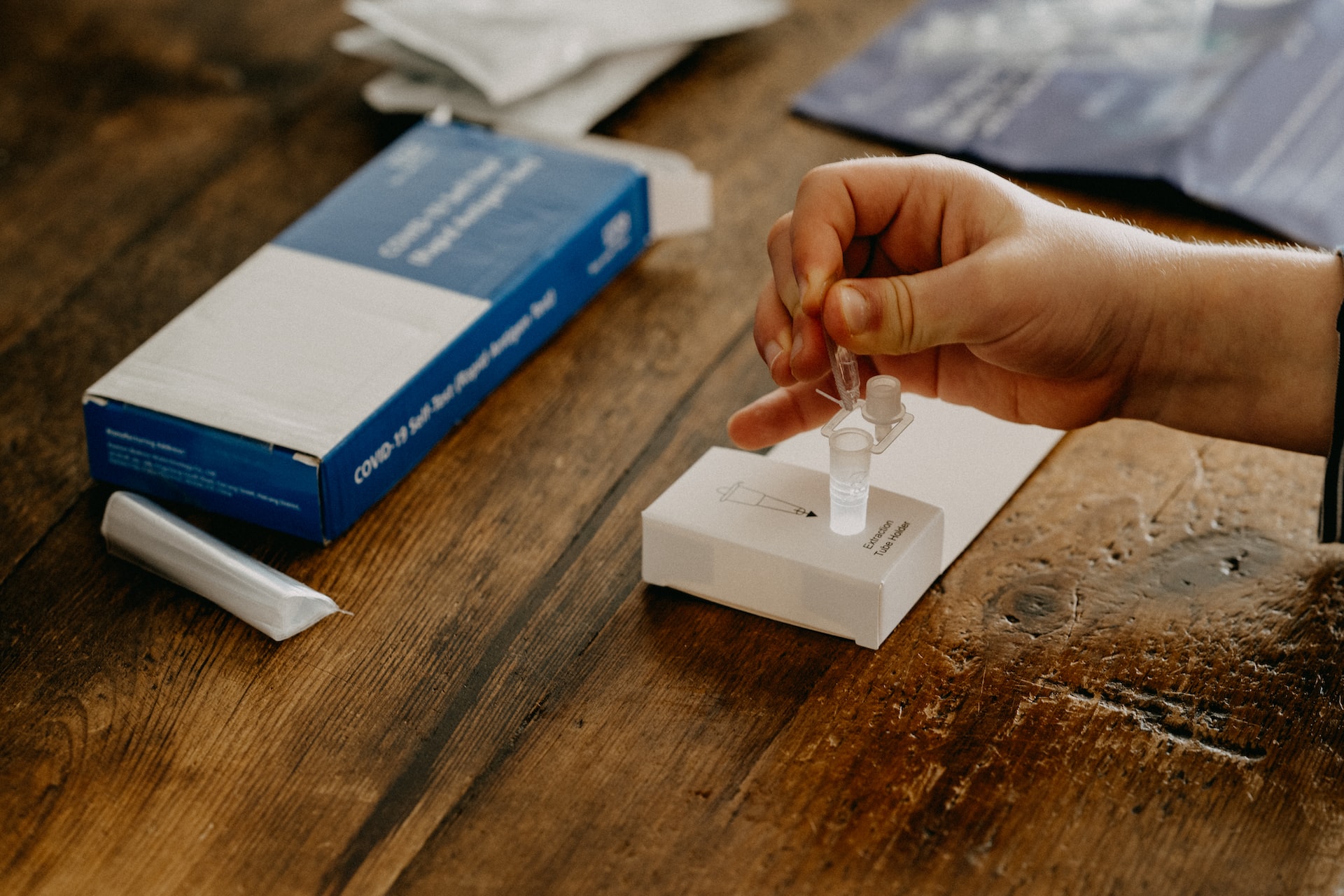
The other type is an antigen test, commonly known as a rapid test, with an accuracy rate of more than 80%. Most of these tests are sold over the counter at supermarkets and pharmacies. (File photo: Annie Spratt/Unsplash)
By September 2020, just six months after COVID-19 triggered shutdowns across the U.S., it was clear that SARS-CoV-2, the virus that causes COVID-19, had mutated from its original form.
The question quickly arose whether existing rapid antigen tests could detect newly emerging variants.
Using clinical samples obtained from diagnostic labs throughout the U.S. from 2020 to 2023, the National Institutes of Health, through its Variant Task Force, analyzed the effectiveness of more than 100 rapid antigen test kits on over 300 variants. The vast majority of the kits were able to detect new as well as prior previously known variants.
We are a team of researchers who have spent the past few years researching COVID-19 tests for their accuracy and performance. We understand why the public may still have questions about whether these tests are reliable, particularly as new variants continue to appear.
Here are answers to some of those questions:
Do these tests work?
There are two major types of tests for the detection of SARS-CoV-2.
The first, called a RT-PCR test, is more than 95% accurate for detecting the virus. These were the tests that most Americans were given at drive-through and walk-in testing sites early in the pandemic. The vast majority are now done at a doctor’s office or clinic, though there are some home PCR tests, which typically cost five to 10 times more than rapid antigen tests.
The other type is an antigen test, commonly known as a rapid test, with an accuracy rate of more than 80%. Most of these tests are sold over the counter at supermarkets and pharmacies.
Rapid antigen tests are relatively inexpensive, can be used without prior training and give quick results, typically within 10 or 15 minutes. One drawback is that they are less accurate than PCR tests, especially early in an infection when there is less virus present in the body.
Despite these inherent limitations, our team has demonstrated that these tests perform as well in 2024 as they did earlier in the pandemic, when different variants were circulating – even though our initial study was completed in January 2022. That’s because the virus protein detected by antigen tests has not changed much over the last two years, unlike other parts of the virus that have undergone many mutations. Another study, which tested the accuracy of rapid antigen tests from 2020 to 2022, found similar results.
That said, researchers like us continue to “test the tests,” both in computer simulations and in the lab, to detect new SARS-CoV-2 variants.
I have symptoms. When should I take a test?
If you have symptoms, take a rapid test as soon as possible. If you test positive, you can be reasonably certain that you’re infected. If you’re negative, wait two days and test again.
This waiting period is important because it takes a few days for the virus to build up to levels that are detectable by the rapid test. Recent research has shown that the time it takes for this to happen is slightly longer with the omicron family of variants compared to variants from a few years ago.
I was exposed, but have no symptoms. When do I test?
If you’ve been exposed to somebody but don’t have symptoms, the current recommendation is to wait four to five days before taking a rapid test. If you’re negative, wait two days and then test again.
If you’re still negative, take a third test two more days later. This is the best way to detect COVID-19 infection without symptoms.
It’s also recommended that you take a rapid test as close as possible to the time you’re visiting someone who is at risk for getting sick, especially if you think you may have been exposed.
When am I contagious?
Most people who have symptoms and test positive are contagious. If you no longer have symptoms and are no longer testing positive, it’s likely that you’re not contagious.
But there are some exceptions to this general rule. It’s possible to be infected, have no symptoms and be contagious. This is especially true early on in a person’s infection.
Should I swab my nose or throat?
The best advice is to follow the instructions that come with your test. For antigen tests in the U.S., this means taking a swab of your nose.
Although one study from Denmark reported that antigen tests were more sensitive when a health care provider swabbed the throat, the same study said that when a person swabbed themselves, nose samples were more accurate than throat samples. Other studies have shown that swabbing the throat was no better than swabbing the nose.
A new program funded by the National Institutes of Health and rolled out in late 2023 – the Home Test to Treat study – offers free testing, telehealth and treatment for COVID-19 and the flu without leaving home. To date, more than 60,000 people have enrolled. The study uses commercially available rapid tests and typically arrive a few days after they’re requested.
For those millions of Americans who are unable to travel, are without insurance, don’t live near a clinic or simply don’t want to expose others to their symptoms, this new program could help save lives.
Nathaniel Hafer, Associate Professor of Molecular Medicine, UMass Chan Medical School; Anuradha Rao, Assistant Professor of Pediatrics, Emory University, and Apurv Soni, Assistant Professor of Medicine, UMass Chan Medical School
This article is republished from The Conversation under a Creative Commons license. Read the original article.




















