
Health
Veganuary: four surprising perks of a plant-based diet

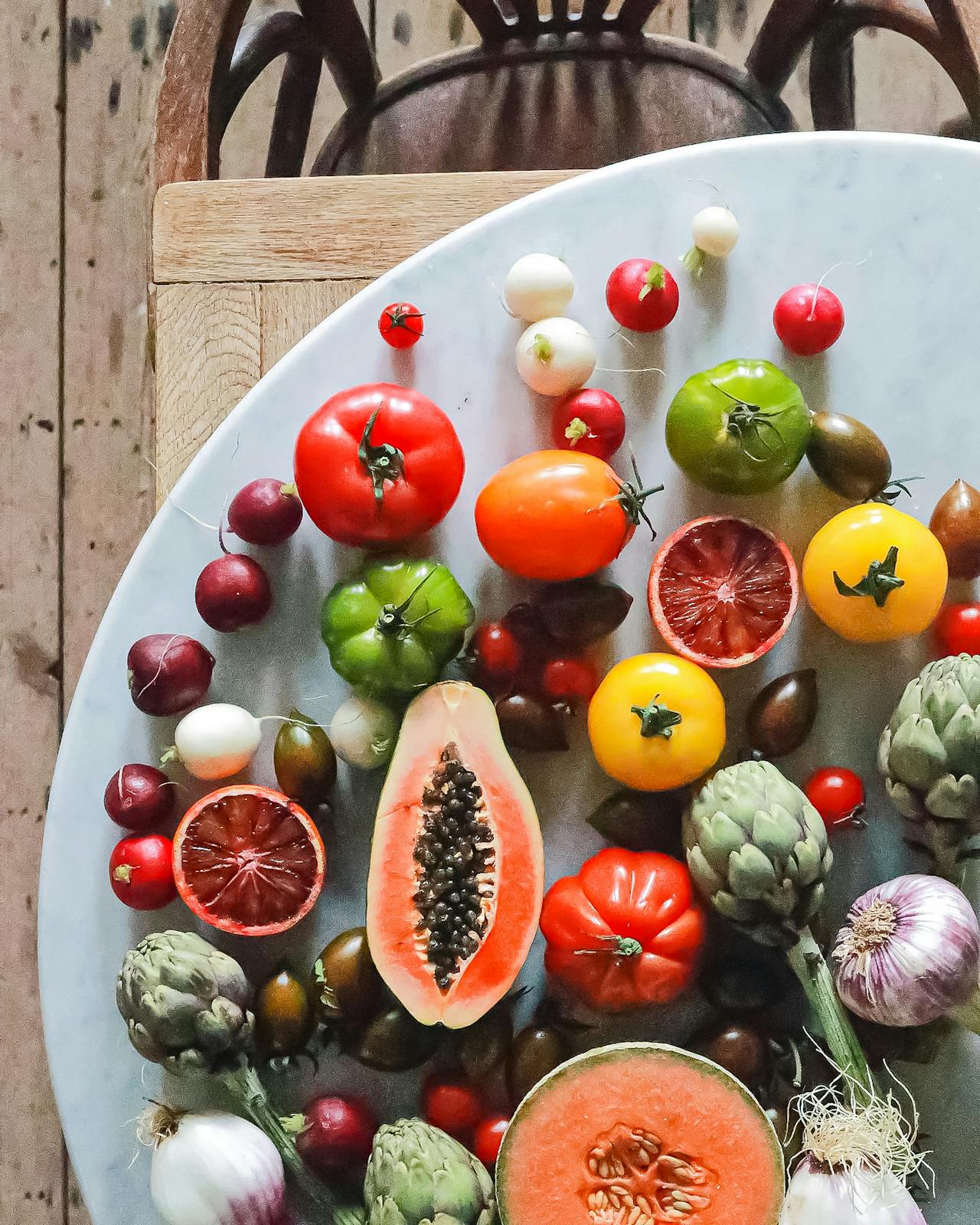
If you need some motivation to keep going with your plant-based diet, researchers have uncovered a selection of benefits that might surprise you. (Pexels Photo)
If you’re not consuming animal products this month then you just passed the halfway mark. Congratulations. Every chicken breast and milk carton you spurn lowers the demand on industries responsible for egregious environmental harm – and spares countless animal lives from needless suffering.
But you already knew this. So what else is taking part in Veganuary good for? If you need some motivation to keep going with your plant-based diet, researchers have uncovered a selection of benefits that might surprise you.
This roundup of The Conversation’s climate coverage comes from our weekly climate action newsletter. Every Wednesday, The Conversation’s environment editor writes Imagine, a short email that goes a little deeper into just one climate issue. Join the 30,000+ readers who’ve subscribed.
First, did you know that animal farming is a major source of air pollution?
Cleaner air
Keeping cows, pigs and other livestock locked in sheds generates a lot of urine and faeces. The result is ammonia: a gas which can irritate and burn the skin and eyes.
That’s bad enough for the animals, but ammonia can travel a long way in the air. This noxious gas reacts to form smog and fine airborne particles which can penetrate your lungs and contribute to heart disease and lung cancer.
Of the 4 million premature deaths linked to outdoor air pollution in 2019, animal farming was probably responsible for one-fifth. Toon Vandyck, an economist at KU Leuven in Belgium and Marco Springmann, a health researcher at the University of Oxford, modelled what would happen to the air if more people reduced their intake of animal products.
In places like Iowa in the US where there are reported to be eight pigs for every person, a shift away from meat and dairy would slash particulate pollution.
“These health benefits increase as people eat fewer animal products,” say Vandyck and Springmann.
“For example, if everyone went vegan, the number of premature deaths from air pollution could fall by more than 200,000. In Europe and North America, adopting vegan diets could reduce premature deaths from all air pollution by about 20%.”
You seem smarter
Adopting a vegan diet can reveal a lot about you to other people. The good news is that it tends to confer positive qualities.
“Knowledgeable, disciplined, able to support oneself, but also able to form social connections,” according to marketing experts Thomas Robinson (City, University of London) and Outi Lundahl (University of Groningen), who studied perceptions of veganism in the media and among the general public.
“Vegans generally need to be not only vigilant about ingredients, but able to unpack their meaning for animal welfare, climate change, sustainability, and personal health. The accomplished vegan therefore signals a wealth of knowledge in a society where educational attainment has high social value,” they add.
(Other studies have found that this can sometimes come off as annoying, so think twice before flaunting your high-minded principles.)
A smaller food bill
Going vegan might be good for trendy posh people, but what about the rest of us?
Despite the stubborn notion that a plant-based diet is usually more expensive than an omnivorous one, research suggests that a diet with less meat can save you money.
In fact, if you live in the UK, US or EU, going vegan could shrink your food bill by a third says Marco Springmann.
“The results of our analysis came as a bit of a surprise,” says Springmann, who used price data to calculate the average cost of different food groups.
“Over the course of a year, you could save almost US$900 (£709) per person by switching to a more plant-based diet.”
Springmann’s findings refer to the prices of basic ingredients like vegetables, meat and fish, not highly processed foods, takeaways and ready meals.
“That means, if you want to realise these savings, go for minimally processed foods and try out some new recipes,” he says.
That’s where being wealthy makes things a lot easier for would-be vegans.
“Learning new skills, like how to cook plant-based recipes to cut down on your meat consumption, can take time which wealthy people can more readily afford by working part-time, retiring early or paying others to take care of cleaning and childcare,” say climate and health experts Emma Garnett (Oxford) and Charlotte A. Kukowski (Cambridge).
“More equality in free time, such as a four-day working week, can help people make lifestyle changes that benefit the planet.”
Less period pain
If you menstruate, a plant-based diet might make your periods less painful.
Wellbeing expert Shireen Kassam of the University of Winchester describes one study in which a low-fat vegan diet lowered oestrogen levels over two menstrual cycles for 33 participants, who later reported less intense and shorter bouts of period pain.
Kassam points to plenty of other examples, including reduced arthritic pain and a lower risk of urinary tract infections.
If you’re still wavering, listen to one academic who decided to take up veganism and study its effects as part of a scientific “self-experiment”.
“I found that veganism had benefits for my waistline, did not reduce the pleasure I derived from eating and – contrary to some previous research that suggested a vegan diet could increase the risk of depression – had no effect on my mental health whatsoever,” says Eric Robinson, a professor of psychology at the University of Liverpool.
“As I write this, nine months after the experiment finished, I’m still a committed vegan. For me, the likely benefits for my health, the environment and reducing animal suffering outweigh the minor inconveniences associated with being vegan.”
Jack Marley, Environment + Energy Editor, The Conversation
This article is republished from The Conversation under a Creative Commons license. Read the original article.




















