
The animal sounds in most nature documentaries are made by humans – here’s how they do it and why it matters

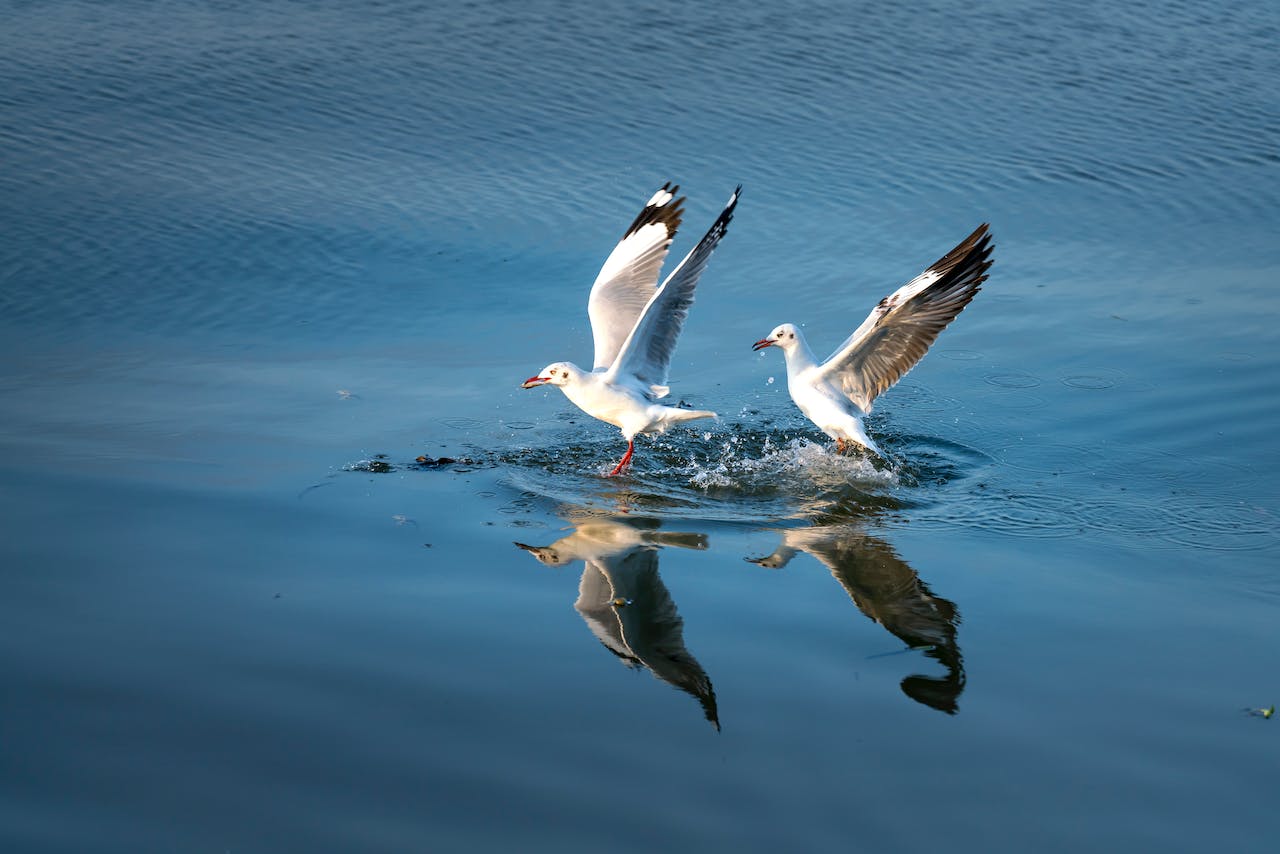
While the images we see are filmed on location, many of the sounds are recorded and added to the programmes later. (Pexels Photo)
Wildlife documentaries like the BBC’s recent series, Planet Earth III, are renowned for offering breathtaking images of animals in their natural habitats. You’d be forgiven for thinking these shows offer an unmediated portrayal of these animals – an objective window into their lives as they hunt, rest and rear their young. But this isn’t quite the case.
While the images we see are filmed on location, many of the sounds are recorded and added to the programmes later. The sounds of animals walking, chewing food and panting, for example, are almost always recorded by human “Foley artists” in a sound studio far away from the filming location, often weeks or months later. Foley artists are specialists who produce bespoke sounds for film and television soundtracks.
This curious fact is an inevitable consequence of modern wildlife filmmaking. A lot of wildlife documentary footage is shot using telephoto lenses that can zoom in on their subjects from a great distance. But sound recordists typically can’t get close enough to capture clear sound without disturbing the animals.
Wildlife documentaries also tend to require large crews. If sound were recorded on location, it would be muddied by background noises such as crew chatter or car engines. In other cases, the animals make sounds of a frequency or volume that most microphones simply can’t capture clearly.
In my research, I’ve talked to Foley artists who specialise in animal sound and observed them at work in their studios.
How Foley artists work
This Foley process generally involves deciding which of the animal’s actions or movements need sounds to be created for them, and then deciding on the specific qualities those sounds should have.
These decisions often involve the broader sound production team and sometimes the show’s director. The Foley artist then uses their creativity and resourcefulness to create the sounds.
So, what sorts of techniques do they use? It might seem cliched, but the professionals I’ve spoken to really do sometimes knock coconut shells against stone slabs to make the sound of horse footsteps. For an elephant, they might use rocks against a straw-covered tub of compacted earth.
A simple pitter-patter of the artist’s fingers in a water tank can create the sound of fish jumping across the surface of a lake, while a bundle of old VHS tape swished around a large water tank gives the sound of a shoal of fish moving through the ocean.
A pair of old leather gloves ruffled together quickly might be used to simulate the flutter of a bird’s wings as it takes off. And most artists will create the close-up sounds of animals chewing, panting or yawning with their own mouths. These sounds are created as the artist watches the footage on a monitor, making sure they perfectly match the actions they’re paired with.
There are some exceptions. Animal cries and roars – which are far too complex to be simulated artificially – tend to be taken from library recordings. And recent developments in microphone technology mean that sound recordists can begin to capture more sounds on location. But for the time being, Foley sound remains a staple of wildlife documentary production.
Why Foley artist choices matter
Watching Foley artists at work on wildlife projects gives me a thrill like the one we get when we see how a magic trick is done. But the significance of this technique goes further than that, because both the sounds that are attributed to animals and the nature of those sounds have the ability to affect how we perceive a given species.
On the one hand, a slithery, slimy sound may be matched to the image of a snake – even if a human would be unlikely to hear much if they were really stood next to the camera. Emphasising such an unnerving sound is unlikely to win the snake any new fans, whereas a soft yawn accompanying a close-up of a tiger cub may increase the sense of that animal’s cuteness or vulnerability.
Sounds guide our emotional interpretation of the things we see, and there have been complaints about previous series of Planet Earth, when this audio guidance seemed too heavy-handed.
This matters because the popularity of certain animal species, driven by these documentaries, may affect support for conservation efforts. Steven Spielberg’s fictional film Jaws (1975) made it clear that the way certain animals are portrayed in popular media can have very tangible real-world consequences. Spielberg himself has expressed regret about the boom in shark hunting that the film may have encouraged by presenting the shark as both villain and potential trophy.
The use of Foley sound in wildlife documentaries is far more subtle, of course, but it still has the potential to affect how we perceive certain species. And it is all the more powerful because it often flies below the radar of our conscious attention.
So, while the masterful work done by Foley artists on wildlife programmes and films should be celebrated for its ingenuity and magical effects, perhaps it should also be taken as an invitation to think critically about exactly what we see, and hear.
Looking for something good? Cut through the noise with a carefully curated selection of the latest releases, live events and exhibitions, straight to your inbox every fortnight, on Fridays. Sign up here.
Damien Pollard, Lecturer in Film, Northumbria University, Northumbria University, Newcastle
This article is republished from The Conversation under a Creative Commons license. Read the original article.




















