
Canada News
Time for a Weed-Free January? How cannabis users could benefit from a ‘dry’ month

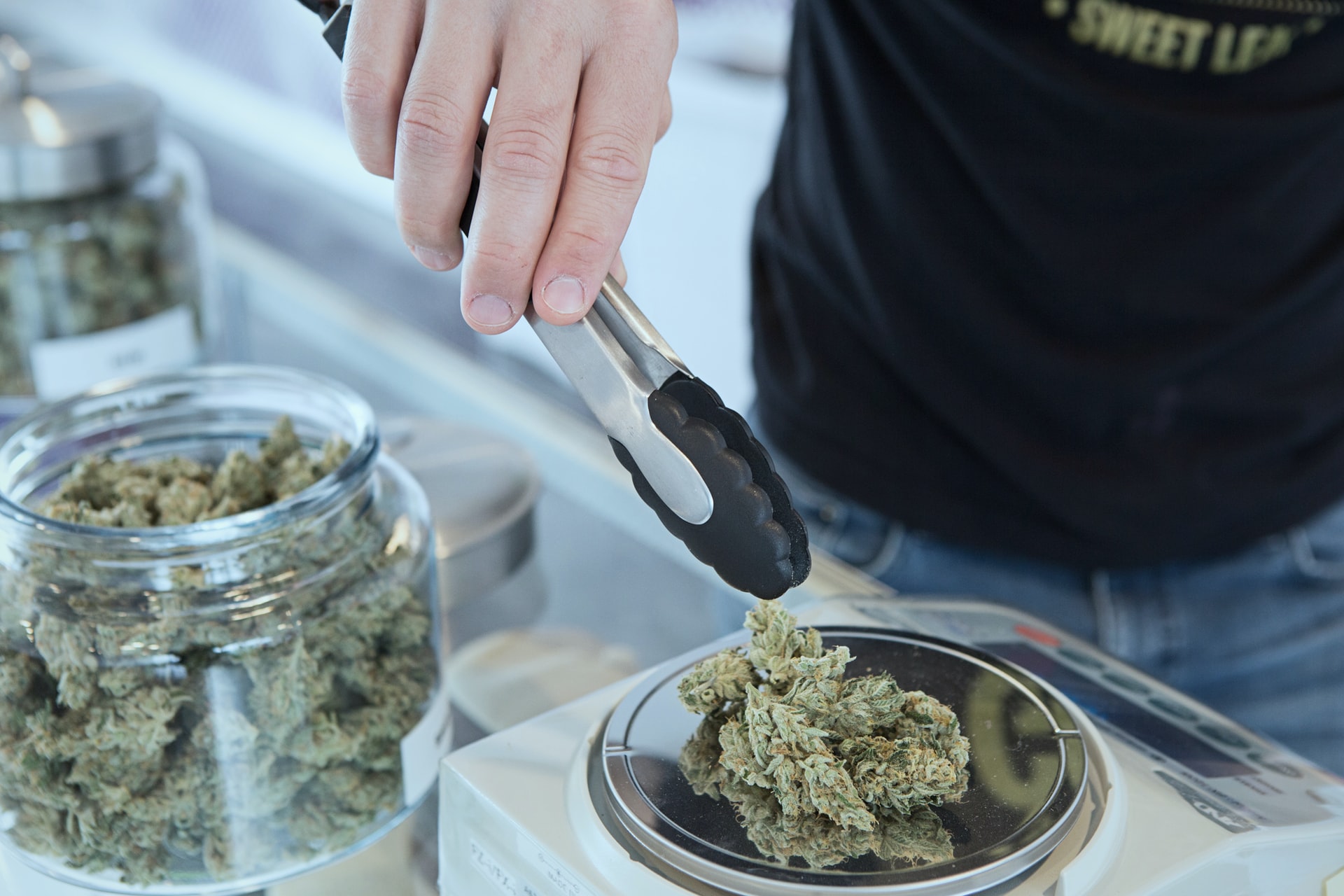
Like Dry January for alcohol users, the idea of taking a month off weed is also worth considering for those who use cannabis. (File photo: Add Weed/Unsplash)
By now, most are familiar with the idea of Dry January, a voluntary month without alcohol that follows a month when many drink more than usual.
The idea of Dry January started in the United Kingdom in 2012, and has become popular internationally since then. The point is to use a date on the calendar that traditionally prompts resolutions to encourage drinkers to make a month-long commitment to giving their bodies a break and resetting their attitudes and habits in a healthier way for the rest of the year and possibly beyond.
For those who use cannabis, the idea of taking a month off is also worth considering, whether it’s January or not.
1 in 4 use cannabis
Canadians are among the world’s biggest consumers of cannabis, especially since it was legalized in 2018. Prior to legalization, about 15 per cent of adults used cannabis once a year or more. Today, about one in four adult Canadians use cannabis once a year or more, with a higher concentration among young adults.
Frequency of use varies widely, but there is a sizable group of people who are daily or near-daily users — about 25 per cent. Within that group, nearly three-quarters report impaired control over their cannabis use, a key feature of cannabis use disorder, the medical definition of cannabis addiction.
Though daily use and cannabis use disorder are not identical, daily use is nonetheless a reasonable way to identify people who are more likely to experience negative consequences and might benefit from taking a break.
Beyond frequency, the amount of cannabis one uses and the concentration of THC, the psychoactive component of cannabis, are important considerations in the likelihood of experiencing harms. Many of the risks and harms from cannabis scale to the amount of THC consumed, so it’s not just a matter of consuming less frequently.
The benefits of a weed-free month
A Weed-Free January could do more good than cannabis users may realize. Any month will do, of course, but January is traditionally a time for resolutions and fresh starts, so it may be the most natural time to cut out weed.
Based on the existing evidence, regular cannabis users could expect to experience a number of positive physical and lifestyle changes from a 31-day pause.
Among them:
- Resetting one’s tolerance for cannabis. In response to cannabis use, the body’s endocannabinoid system adapts over time, causing users to develop tolerance. Indeed, for heavy users, unpleasant symptoms of withdrawal also follow these adaptations, although cannabis withdrawal is not life-threatening like alcohol withdrawal. Users could expect that taking a month off would be enough for the body to revert to its natural set-points.
- Clearing the mental cobwebs. Cannabis use is associated with reduced cognitive functioning, especially heavy persistent use. Even short breaks from cannabis have been found to reduce cognitive consequences, and a month of abstinence has been shown to return cognitive functioning to the level of non-cannabis users.
- Giving your lungs a break. It’s well established that inhaling combusted cannabis smoke is bad for the lungs in a number of ways, which may be one of the reasons cannabis has been linked to heart attack and stroke risk.
- Developing other habits and routines that take advantage of a clearer mind, such as sports, reading and sober socializing. A rich repertoire of activities without substance use is an important lifestyle counterbalance.
- Saving money. Cannabis is not cheap and adds up quickly if you consume daily. A Weed-Free January could save hundreds of dollars.
- Taking stock of whether you may have a problem. Cannabis use disorder is real and can have serious consequences. A weed-free month can provide a chance to do a self-check and see how hard it is to stop. If quitting for a month is impossible (or feels like torture), it may be time to talk to a health professional. Effective treatments do exist for cannabis use disorder.
Importantly, many people have authorizations to use medical cannabis to manage a variety of conditions and this is not to suggest that those individuals should abruptly stop for a month, just as it would be foolhardy to recommend an annual abstinence from cholesterol, blood-pressure, or other medications. For medical cannabis patients who think it might be beneficial to take a break, a chat with their authorizing physician or family doctor would be in order.
Bottom line, though, if you use recreational cannabis regularly, especially daily, having a Weed-Free January could be both good for your health and a good way to promote other healthy resolutions. A real win-win.
James MacKillop, Peter Boris Chair in Addictions Research; Director, Peter Boris Centre for Addictions Research; Director, Michael G. DeGroote Centre for Medicinal Cannabis Research; Professor, Department of Psychiatry and Behavioural Neurosciences, McMaster University
This article is republished from The Conversation under a Creative Commons license. Read the original article.




















