
Business and Economy
It’s not a cost of living crisis – it’s a poverty pandemic

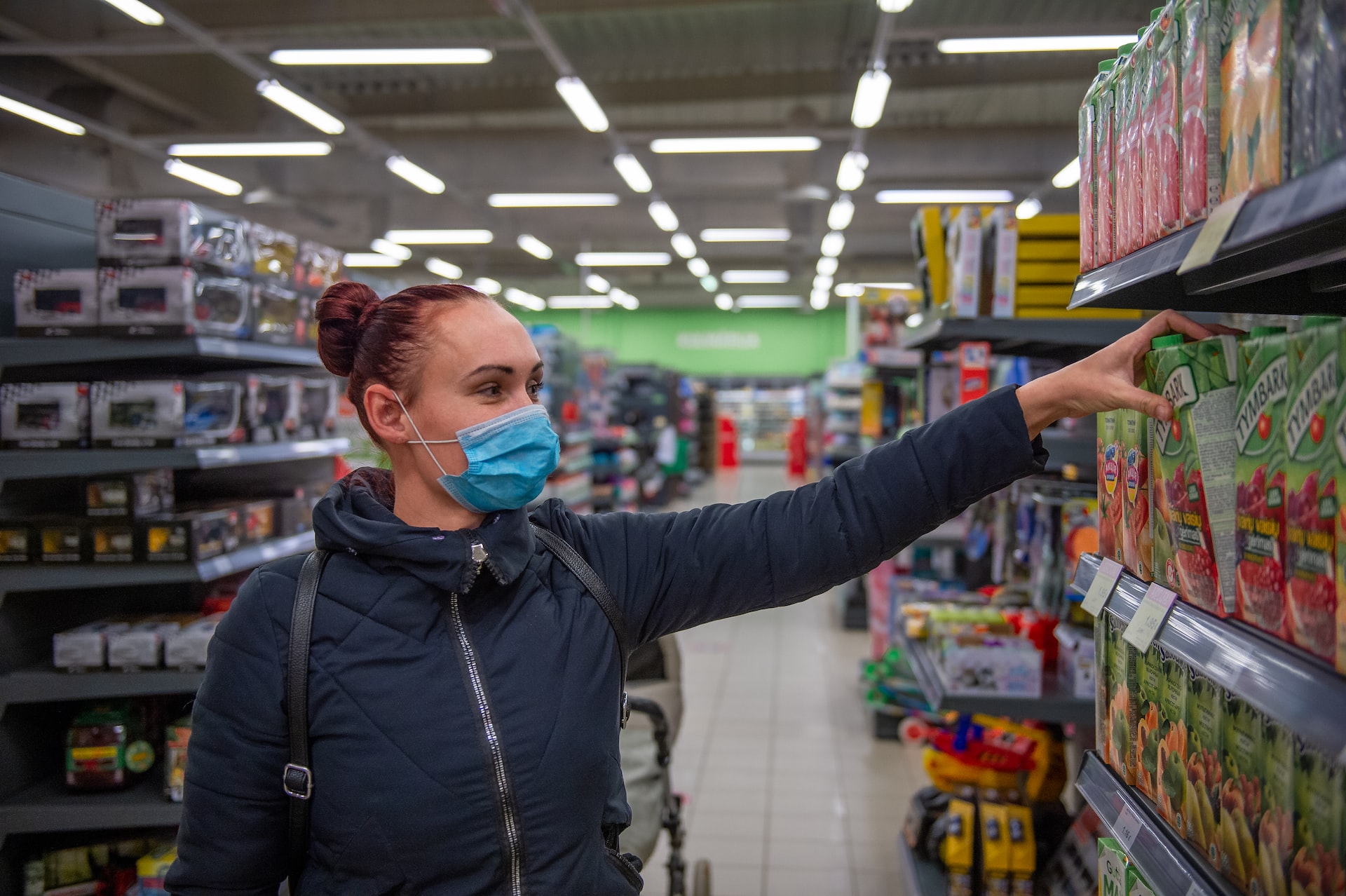
So, official estimates of households in poverty probably underestimate the numbers living in poverty, and we also don’t know which social groups are being routinely omitted from official figures. (File photo: Imants Kaziļuns/Unsplash)
There is a poverty crisis in the UK. But when outlining his 110 growth measures aimed at getting “the British economy working” during his autumn statement, the chancellor’s measures to tackle the cost of living crisis were limited to economic support payments focused on short-term wins.
We argue that raising living standards should be seen as a long-term investment in the UK’s future, not a short-term capital expenditure.
Social inequalities in the UK, while accelerated by COVID, long preceded the pandemic. But the last few years highlighted what needs to change if government policies to address poverty are to work. Essentially, that it is counterproductive for different UK government departments to compete for resources and focus on single-issue policies.
This is because many of the challenges we currently face are not single-issue problems – they are connected. For example, higher interest rates impact households directly by raising housing costs, which can affect people’s health and push up benefit claimant rates. The pandemic helped to make clear that contemporary policy challenges require a joined-up response.
As COVID rapidly developed, Rishi Sunak and other politicians suggested that we were “all in it together” but less privileged people were affected more by the pandemic. This is also true for the cost of living crisis. The same, apparently shared, event can have very different impacts.
The cost of living crisis has affected nearly everyone in the UK, but it has not done so equally. Inflation for the richest households was 9.6%, according to calculations by think tank the Resolution Foundation using Office for National Statistics figures.
But for the poorest it was 12.5%. In December 2022, 61% of people in deprived areas were buying less food versus 41% in the least deprived areas. These figures don’t even include the people that are missing from official statistics on how rising costs are affecting households.
For some, this will be because they are not “poor enough” to qualify for support, or because they want to avoid the stigma associated with receiving benefits. For others, this is because the benefits system is complex and difficult to navigate. Either way, some entitlements go unclaimed.
So, official estimates of households in poverty probably underestimate the numbers living in poverty, and we also don’t know which social groups are being routinely omitted from official figures. A critical issue for addressing the cost of living crisis, therefore, is not just about helping those missing out on support, but also trying to count those who remain invisible in the data.
Working together to raise living standards
Raising living standards and achieving equality won’t happen if policies continue to treat the poorest people the same as more affluent people. This is not about pitting one group in society against another, but about creating non-stigmatising and more targeted interventions that address the unique challenges faced by people in different social groups (such as gender, socioeconomic status and ethnicity).
Taking a “one size fits all” approach won’t work. Raising living standards should also be seen as a long-term investment in the UK’s future, rather than as a short-term capital expenditure.
Our research shows that such an approach could be helped by consulting those living in poverty about their needs. This would make policies more effective and those making them more accountable, as well as enabling collaboration across departments and ministerial portfolios.
Policy responses to date have focused almost exclusively on economic measures, yet it is apparent that these are not sufficient for addressing the scale and nature of the crisis. This was in evidence during the recent autumn statement where the only mention of support for the cost of living was in reference to time-limited support, such as that linked to universal credit and local housing allowances.
Reframing the cost of living crisis
Reframing the cost of living crisis as a pandemic of poverty would recognise the fact that the UK faces a deprivation emergency in which almost four million people are living in destitution. Poverty will still be an issue even when inflation has stabilised.
Reframing the crisis could also encourage the development of a blend of universal and targeted solutions with both immediate and long-term strategies. It would also recognise the need to move beyond solely economic responses to the current poverty crisis.
Instead of “sticking plasters”, the UK must take a long-term view and a more comprehensive approach to raising living standards. Rather than any dramatic shift in thinking, this simply requires a willingness to think creatively, build communities and consider the perspective of those most negatively affected by poverty.
Tackling poverty in the UK in this way will benefit everyone, not just those facing the sharpest levels of deprivation. It’s time for a new approach and a united effort to reverse the effects of deprivation.
Siobhan Morris, Assistant Director, UCL Grand Challenges, UCL; Ann Phoenix, Professor of Psychosocial Studies, UCL, and Olivia Stevenson, Deputy Director of Public Policy, UCL
This article is republished from The Conversation under a Creative Commons license. Read the original article.




















