
News
Hitting snooze on your alarm might not actually make you more tired in the morning – new research

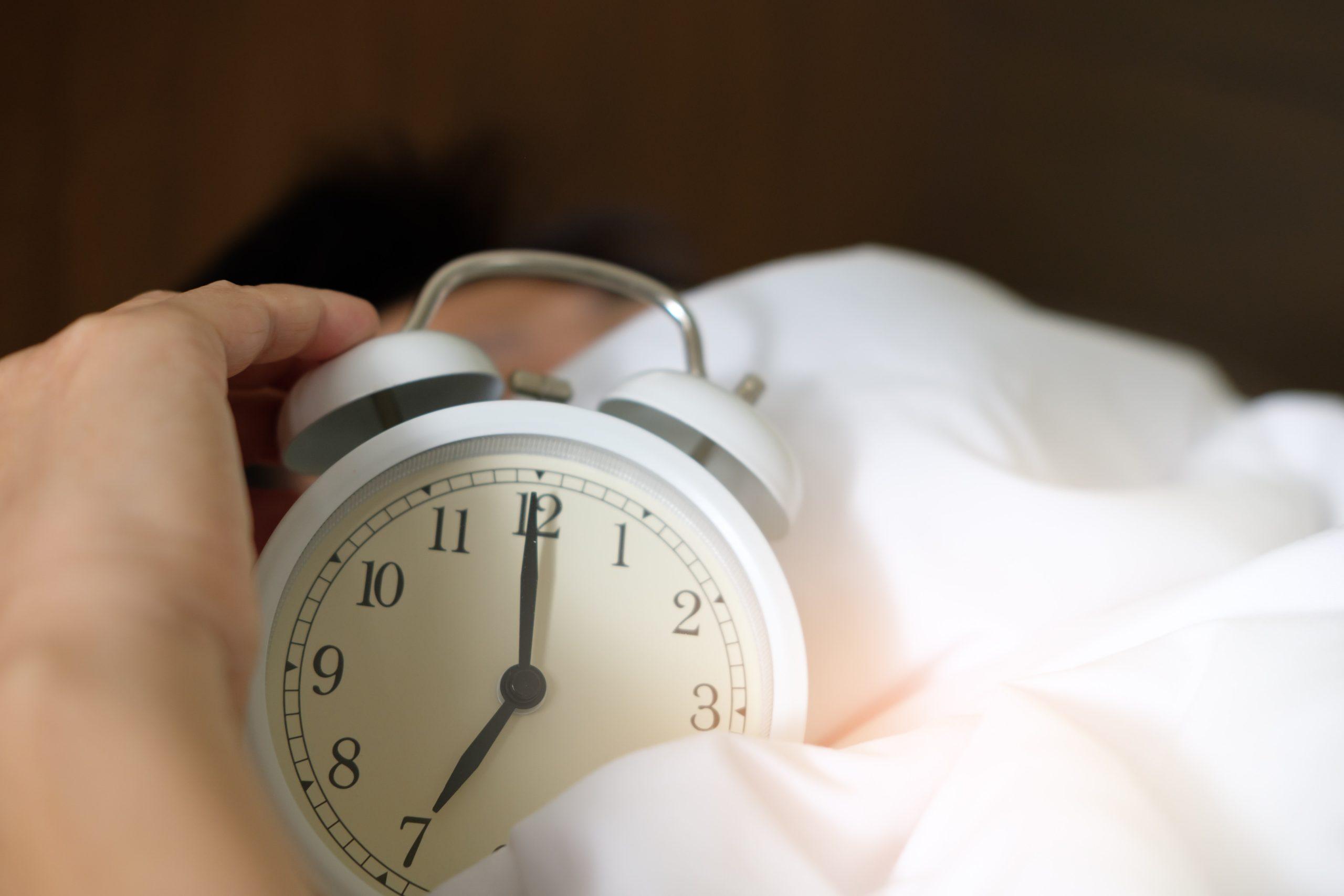
According to some surveys, about 50%-60% of respondents report being snoozers. (Pexels Photo)
If you like to press snooze on your alarm a few times before getting up in the morning, you’re not alone. According to some surveys, about 50%–60% of respondents report being snoozers.
Despite how common hitting the snooze button is, many of us have been told that it’s the wrong thing to do – and that catching a couple extra minutes of sleep in the morning before waking up will only make you feel more tired.
But a study my colleagues and I recently published indicates that this may not be true, showing that snoozing for a brief period in the morning may actually be beneficial for some people – in particular those who struggle with morning tiredness.
The study was conducted in two parts. First, more than 1,700 people answered an online questionnaire about their sleep and waking habits. This included questions about whether they press snooze on their alarm in the mornings.
Our team then compared those who reported snoozing at least sometimes with those who never snooze their alarm. We found that “snoozers” were on average six years younger (though there were snoozers of all ages) and got 13 minutes less sleep per night on workdays.
There was no difference in sleep duration on the weekends nor in sleep quality. But, those who snooze were four times more likely to classify themselves as evening people – and three times more likely to feel drowsy after waking up.
We also asked why people hit the snooze button and found that the main reason was being too tired to wake up. Many also said they snooze because it feels good and because they want to wake up more slowly. Around 10% of respondents set multiple alarms because they worried about not waking up when the first one goes off.
For the second part of the study, in order to learn about the effects of snoozing, 31 habitual snoozers were recruited to our sleep lab. We recorded their sleep using polysomnography, where several electrodes are placed on the head and body in order to assess sleep stages throughout the night.
After an initial night to allow them to adjust to their environment, they slept in the lab for two nights with different waking conditions.
On one of the mornings they set their alarm to 30 minutes before they had to wake up and were allowed to snooze three times before getting up. On the other morning they slept through those 30 minutes and only had one alarm at the end.
After waking up, they performed some cognitive tests (such as memory tests and simple maths equations), provided saliva to measure cortisol (a hormone believed to help us wake up) and reported on their sleepiness and mood. The tests were repeated 40 minutes later and twice more during the day.
When the participants were able to hit snooze, their sleep was shown to be lighter and less restful during the last 30 minutes before waking up. But they still got around 23 minutes of sleep on average, only six minutes less than when not snoozing.
And, when the whole night was taken into account, there was no difference between snoozing and not snoozing in how much sleep participants got or the quality of that sleep.
Considering many people snooze because they feel tired and because it feels good, it’s perhaps surprising that participants felt equally sleepy, with no difference in mood regardless of how they woke up. But our study did find that after snoozing, participants actually performed slightly better on several of the cognitive tests right after getting up.
The most likely explanation for this effect is that participants got a chance to wake up more slowly when they were allowed to snooze. This may have helped ward off some sleep inertia – that feeling of mental fog many people experience in the morning.
The waking up more slowly may be evidenced by the small difference in cortisol levels seen in participants right after waking – with levels being higher when participants could hit snooze. Previous research has suggested that a stronger cortisol awakening response – the sharp increase in cortisol that happens after waking up – is related to decreased sleep inertia.
In addition, because snoozing participants didn’t fall back into a deep sleep, this may have further affected the likelihood of them waking up drowsy. Many studies suggest that it’s easier to wake up from lighter sleep than from deep sleep.
Although these findings may come as a relief for those who snooze, our research doesn’t imply that this way of waking up is optimal for everyone. If you’re the kind of person who wakes up alert and ready to go, snoozing will likely have no benefit for you.
There’s also no indication that the more you snooze the better off you are. Instead, there seems to be a trade-off between quality sleep and waking up slowly.
But if you enjoy snoozing and find it helps you wake up, our research suggests you can keep doing it without feeling bad –- as long as you’re getting enough sleep before that first alarm.
Tina Sundelin, Research Fellow in Psychology, Stockholm University
This article is republished from The Conversation under a Creative Commons license. Read the original article.




















