
Lifestyle
Driverless cars could be a revolution for people with disabilities – but they also have good reason to be worried

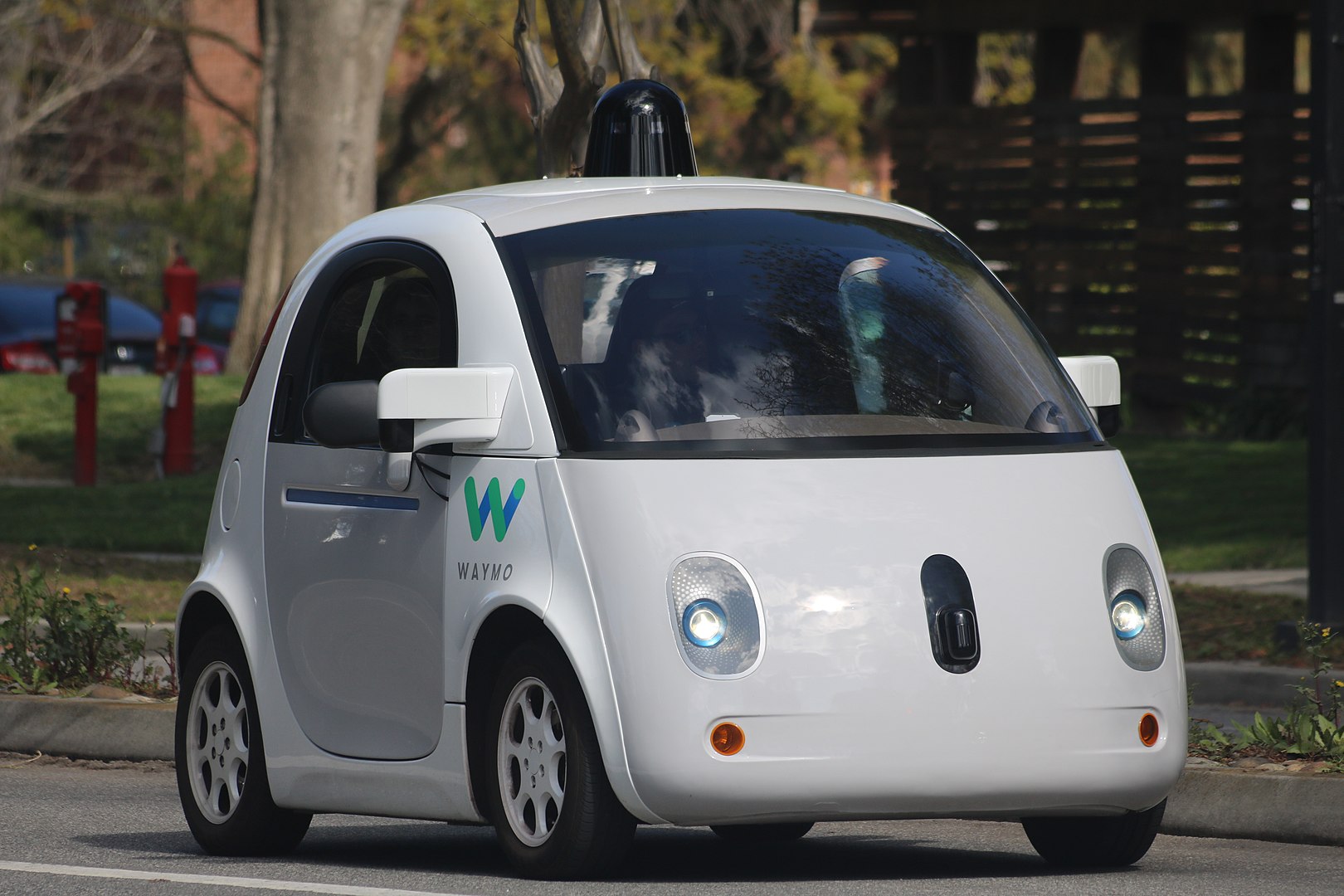
FILE: A prototype of Waymo’s self-driving car, navigating public streets in Mountain View, California in 2017. (Photo By Grendelkhan/Wikimedia Commons, CC BY-SA 4.0)
Like it or not, driverless cars will start to appear on our roads in the not too distant future. In theory, fully autonomous driverless vehicles will offer huge advantages to people with disabilities. Too often, people with disabilities face multiple problems while using public transport. They often need to rely on friends and relatives for lifts or spend too much of their limited budgets on taxis.
All of these issues interfere with the rights of a person with disabilities to go shopping, to travel to work, to attend medical appointments, socialise, or go to entertainment venues.
Also, people with certain disabilities are not permitted to drive at all, even in adapted vehicles – for example, certain visual disorders may fall into this category, depending on the degree of impairment. This could change, of course, with the advent of driverless cars, which can be used by anyone regardless of their medical condition.
Thousands of individuals in the UK have impairments that interfere with their ability to drive. Driverless cars could provide door-to-door transportation and will probably be able to self-park. They will allow passengers to read, watch TV, play video games, or sleep in comfort during the ride.
Gaining independence
There should be no need for a person with disabilities to worry about uncooperative public transport staff or discrimination from non-disabled fellow travellers. Driverless cars should allow individuals with disabilities to travel independently, whenever they want and to wherever they want.
Over the past few years, we have completed a number of studies into what people in the UK who have various types of disability – such as mobility, visual, or intellectual disabilities – think about driverless cars. These studies have also looked into what might prevent individuals with disabilities from welcoming their introduction. Our findings show that similar factors seem to apply to all three forms of disability.
Concerns mentioned by disabled people regarding driverless cars usually involve safety, not being able to understand the technicalities of a driverless car and not being able to board and exit a vehicle – including not being able to escape from a damaged car. They also mention a fear of being stranded, alone and helpless after a collision, and not being able to return home following a breakdown or accident.
Disquiet has also been voiced regarding possible equipment failures, software malfunctions, and dangerous and irresponsible driving by other road users. As we move to a driverless future, there will inevitably be a transition period during which both autonomous and conventional vehicles will share highways.
Research shows that a particularly important factor in acceptance of driverless vehicles is the extent of a disabled person’s internal “locus of control”. This refers to the person’s belief in being able to control events and hence to be competent in operating a new technology such as an autonomous vehicle.
A low internal locus of control in a person with a disability could be associated with a debilitating fear of having to use a form of transport they haven’t tried before. Research has established that people with a high internal locus of control are considerably more likely to be open to innovative ideas and are more willing to use new technologies.
Prior knowledge
Another major determinant of attitudes towards autonomous vehicles that is emerging from our studies is whether a person is prone to “generalised anxiety”. This is a condition that occurs when an individual constantly feels anxious about a wide range of situations and issues rather than about one specific event. People with disabilities are known to be vulnerable to generalised anxiety and thus can find it difficult to control their worries.
These worries may extend to fears regarding the safety of new transportation methods. Our third major finding concerned the critical role of a disabled person’s prior knowledge of driverless cars. People with disabilities are exposed to information about autonomous vehicles via television programmes, newspapers and magazine articles. But they also learn more about them through conversations with relatives, workmates or friends.
We found that prior knowledge often made people with disabilities more confident around driverless cars. But some of the group with prior knowledge had also decided that they disliked them.
So, what can be done to facilitate the introduction of driverless cars among people with disabilities? From the perspective of manufacturers and advocates, social marketing campaigns will be required both to demonstrate the minimal effort required to control a driverless vehicle and to emphasise the independence, freedom to travel, convenience, and safety.
Support from government agencies, charities, and other non-profit disability organisations will be crucial for those campaigns to work, considering that advertisements from the commercial manufacturers of driverless cars might not be trusted by those with disabilities. Given the importance of prior knowledge when it comes to being happy about using an autonomous vehicle, favourable information about driverless cars will be crucial to convincing people with disabilities of the advantages of this new technology.
For those wishing to emphasise the benefits, careful market research will be necessary to formulate the messages most likely to appeal to disabled communities. “I can do it” messages, which demonstrate how easily a disabled person will be able to understand and operate a driverless car, will have to be incorporated into information campaigns.
But the path to acceptance will become smoother the sooner there is meaningful dialogue between manufacturers, government departments and disability support organisations on the best ways to design autonomous vehicles that are suitable for people with disabilities.
Rohini Vijaygopal, Senior Lecturer in Marketing, The Open University; Rita Kottasz, Associate Professor of Marketing, Kingston University, and Roger Bennett, Visiting Professor of Marketing, Kingston University
This article is republished from The Conversation under a Creative Commons license. Read the original article.




















