
News
No clear view for Covid-19 on return to normal in 2021

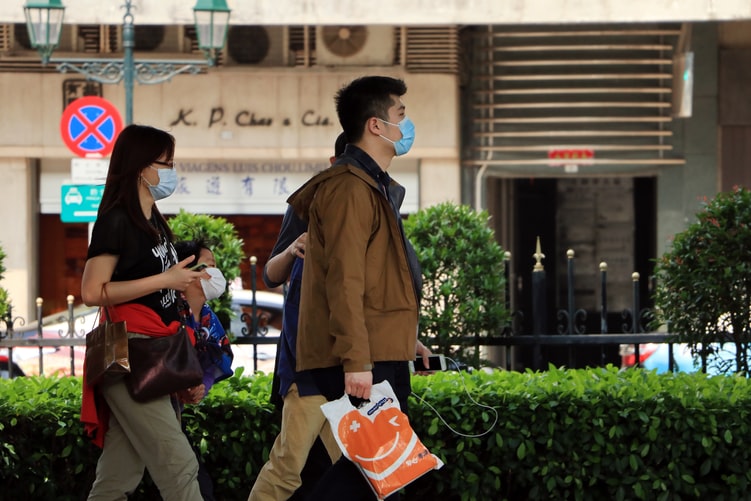
Highlighting that there is no clear expectation on the prospects of life returning to normal, the report said “more than two out of five believe that by the end of the year, things will return to normal, while almost half of them disagree.” (File photo: @macauphotoagency/Pixabay photo)
ANKARA – One in two people worldwide have no clear expectations of life returning to normal in 2021, despite some countries bringing the coronavirus crisis under control.
The Gallup International Association, the leading global independent association in market research and polling, conducted the snap poll during the first two weeks of June in 18 countries, including the US, Russia, the UK, India, Italy and Japan.
The association’s report found that “fears of the coronavirus infection remain high. People across the globe are largely still supportive of their governments, while opinion is equally divided on whether life will return to normal in 2021.
”
Highlighting that there is no clear expectation on the prospects of life returning to normal, the report said “more than two out of five believe that by the end of the year, things will return to normal, while almost half of them disagree.”
The report said 65 percent of the population in Kazakhstan, 61percent in Bulgaria, 60 percent in Malaysia, and 59 percent in Pakistan are the most optimistic; while 11 percent of the population in Japan, 28 percent in the US and 20 percent in the UK are the most concerned.
Fear of coronavirus infection
Despite the outbreak being brought under control and lockdowns being lifted in the US, the UK and Italy, which account for 40 percent of all deaths from Covid-19 worldwide, “71 percent, 70 percent, and 79 percent of the respondents respectively in each country agree that they are afraid that either themselves or someone in their families may actually contract Covid-19,” the report also found.
Additionally, “across all 18 countries, 67 percent fear contracting the coronavirus, while nearly 30 percent are not afraid.”
“Two countries where the curve does not appear to have flattened are the Philippines and India, showing the highest level of fear at 53 percent and nearly half or 49 percent respectively,” it said.
The association also asked respondents whether the threat from the virus was exaggerated, and nearly 54 percent felt it is not while 41 percent felt that it is.
Support for government
The Gallup poll revealed that people’s support for government action in addressing the crisis remains high, with nearly 63 percent approving and over a quarter disapproving it.
Additionally, “33 percent in Japan, 36 percent Bosnia and Herzegovina and 38 percent in the UK showed significantly lower levels of government approval while 40 percent of them in the US continue to approve and over half of them disapprove,” it said.
Meanwhile, opinion globally on whether the virus is under control is split, it said, underlining that nearly 45 percent say it is now under control, while nearly half of them say it is not.
But the scale of opinion on the global pandemic is striking, ranging from 15 percent of those in Japan thinking it is under control to 95 percent in Georgia, it said.
When it comes to the financial impact of the pandemic, a majority or 14 out of the 18 countries say their household income has decreased.
The pandemic has had a heavy financial impact on nearly 90 percent of families in the Philippines and Pakistan. (Anadolu)