
Health
Drinking Surged During The Pandemic. Do You Know The Signs Of Addiction?

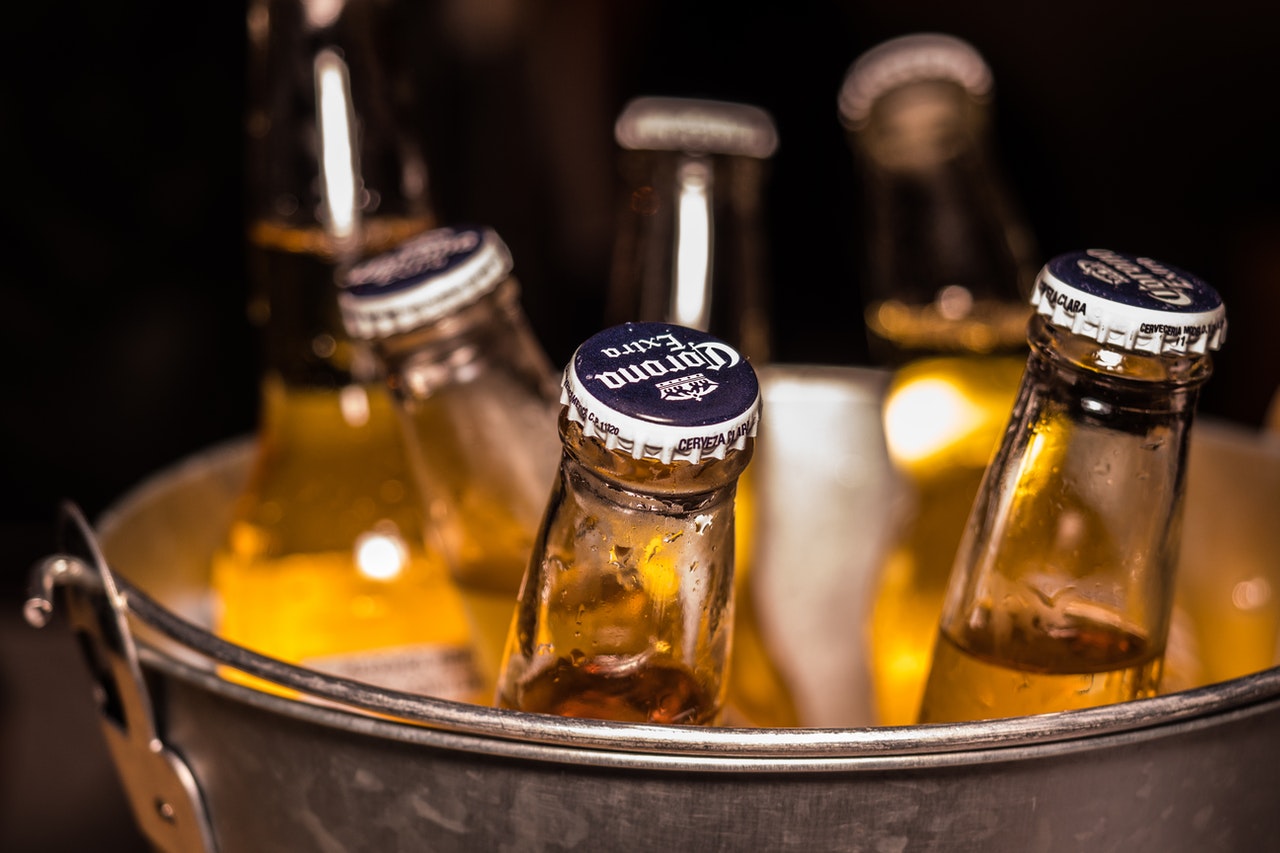
Retail alcohol sales jumped by 55% nationally during the third week of March, when many stay-at-home orders were put in place, according to Nielsen data, and online sales skyrocketed. (Pexels photo)
Despite the lack of dine-in customers for nearly 2½ long months during the coronavirus shutdown, Darrell Loo of Waldo Thai stayed busy.
Loo is the bar manager for the popular restaurant in Kansas City, Missouri, and he credits increased drinking and looser liquor laws during the pandemic for his brisk business. Alcohol also seemed to help his customers deal with all the uncertainty and fear.
“Drinking definitely was a way of coping with it,” said Loo. “People did drink a lot more when it happened. I, myself, did drink a lot more.”
Many state laws seemed to be waived overnight as stay-at-home orders were put into place, and drinkers embraced trends such as liquor delivery, virtual happy hours and online wine tasting. Curbside cocktails in 12- and 16-ounce bottles particularly helped Waldo Thai make up for its lost revenue from dine-in customers.
Retail alcohol sales jumped by 55% nationally during the third week of March, when many stay-at-home orders were put in place, according to Nielsen data, and online sales skyrocketed.
Many of these trends remained for weeks. Nielsen also notes that the selling of to-go alcohol has helped sustain businesses.
But the consumption of all this alcohol can be problematic for individuals, even those who haven’t had trouble with drinking in the past.
Dr. Sarah Johnson, medical director of Landmark Recovery, an addiction treatment program based in Louisville, Kentucky, with locations in the Midwest said that, virtual events aside, the pandemic has nearly put an end to social drinking.
“It’s not as much going out and incorporating alcohol into a dinner or time spent with family or friends,” Johnson said. “Lots of people are sitting home drinking alone now and, historically, that’s been viewed as more of a high-risk drinking behavior.”
There are some objective measures of problematic drinking. The Centers for Disease Control and Prevention defines heavy drinking as 15 or more drinks a week for a man or eight or more for a woman.
But Johnson said that more important clues come from changes in behavior. She explains that, for some people, a bit of extra drinking now and then isn’t a big deal.
“If they are still meeting all of their life obligations, like they are still getting up and making their Zoom meetings on time, and they’re not feeling so bad from drinking that they can’t do things, and taking care of their children and not having life problems, then it’s not a problem,” Johnson said. “It’s when people start to have problems in other areas of their life, then it would be a signal that they are drinking too much and that it’s a problem.”
But there are signs to watch out for, she says. They include:
- Big increases in the amount of alcohol consumed
- Concern expressed by family or friends
- Changes in sleep patterns, either more or less sleep than usual
- Any time that drinking interferes with everyday life
Johnson noted that for many people, living under stay-at-home orders without the demands of a daily commute or lunch break could be problematic.
“Routine and structure are important to overall mental health because they reduce stress and elements of unknown or unexpected events in daily life,” Johnson said. “These can trigger individuals in recovery to revert to unhealthy coping skills, such as drinking.”
Johnson explained that while some people may be predisposed to problematic drinking or alcohol-use disorder, these can also result from someone’s environment.
Johnson said that people who are unable to stop problematic drinking on their own should seek help. The federal Substance Abuse and Mental Health Services Administration runs a 24/7 helpline (800-662-HELP) and website, www.findtreatment.gov, offering referrals for addiction treatment.
Peer support is also available online. Many Alcoholics Anonymous groups have started to offer virtual meetings, as does the secular recovery group LifeRing. And for people who are looking for more informal peer support, apps such as Loosid help connect communities of sober people.
Darrell Loo at Waldo Thai said that he has been concerned at times about people’s drinking but that he generally has seen customers back off from the heavy drinking they were doing early in the pandemic.
Loo and others in the Kansas City restaurant business are pushing for the carryout cocktails and other looser laws to stay in place even as restaurants slowly start to reopen.
“This will go on for a while. It’s going to change people’s habit,” Loo said. “People’s spending habit. People’s dining out habit. So there’s definitely a need to keep doing it.”
This story is part of a partnership that includes KCUR, NPR and Kaiser Health News.
KHN (Kaiser Health News) is a nonprofit news service covering health issues. It is an editorially independent program of KFF (Kaiser Family Foundation), which is not affiliated with Kaiser Permanente.




















