
Art and Culture
Brain research shows the arts promote mental health

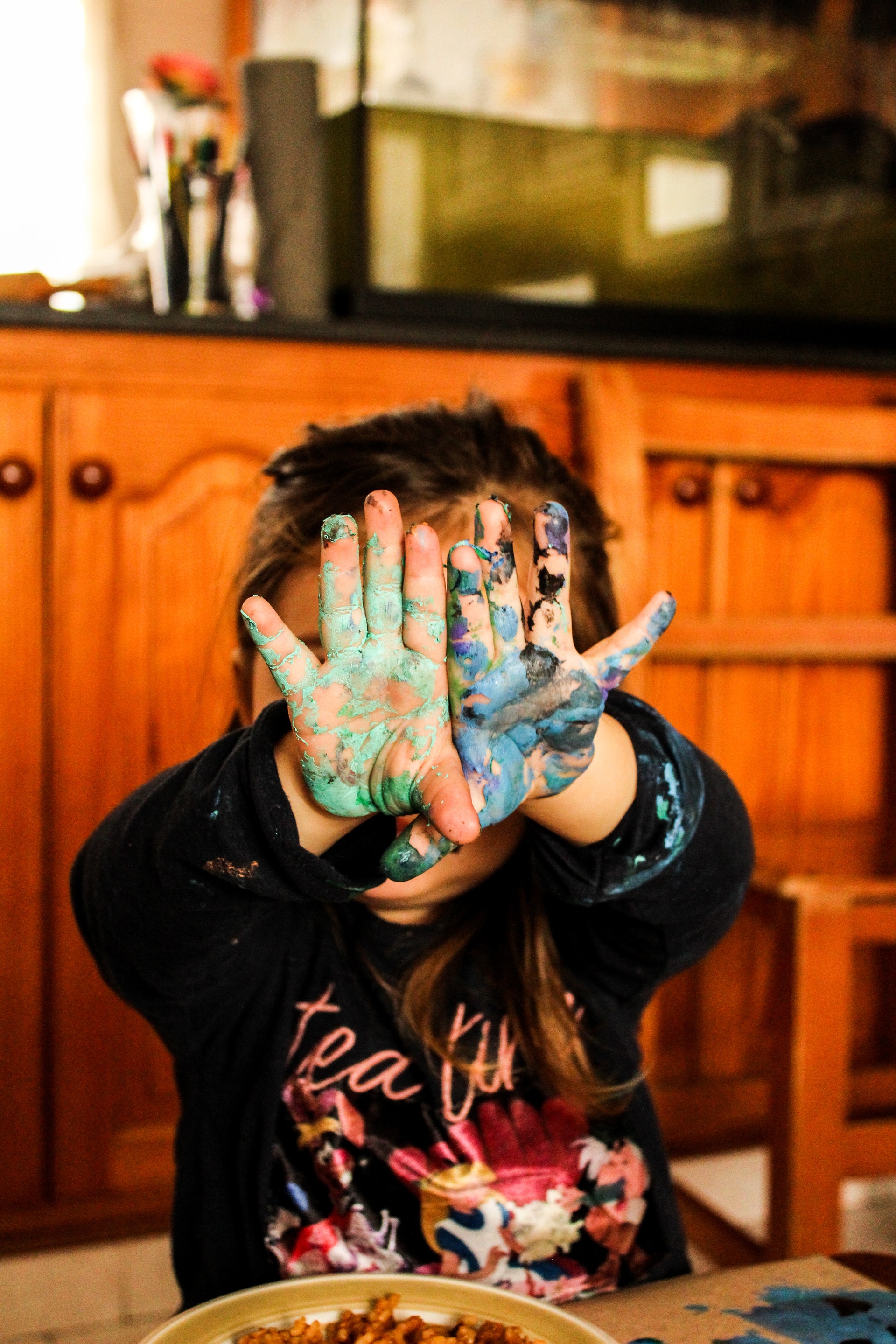
There is a powerful and compelling case, supported by cutting-edge research, that the arts have positive effects on mental health. (Pexels photo)
During self-isolation due to coronavirus, many are turning to the arts. Perhaps they seek a creative outlet or opportunity for expression; but it’s also possible that their attraction may be driven by an innate desire to use their brains in ways that make them feel good.
As a professor and arts educator for over 20 years, I have witnessed the mental benefits of an arts-rich life — but don’t take my word for it.
There is a powerful and compelling case, supported by cutting-edge research, that the arts have positive effects on mental health.
Mental health issues affect nearly half of the global population, at some point, by age 40. Add to that, recent challenges of the pandemic for maintaining mental wellness, managing fears and uncertainty, and one thing is clear: it’s time to think differently when it comes to how we engage our minds.
The arts offer an evidence-based solution for promoting mental health. While practising the arts is not the panacea for all mental health challenges, there’s enough evidence to support prioritizing arts in our own lives at home as well as in our education systems.
For managing well-being
The relationship between the arts and mental health is well established in the field of art therapy, which applies arts-based techniques (like painting, dancing and role play) as evidence-based interventions for mental health issues, such as anxiety and depression. There is also growing evidence that the arts can be used in non-therapy contexts for promoting mental health, such as using performing arts to learn about the core subject areas in schools or doing visual art with adults who are mentally well, and want to sustain that sense of wellness.
In other words, practising the arts can be used to build capacity for managing one’s mental and emotional well-being.
Neuroesthetics
With recent advances in biological, cognitive and neurological science, there are new forms of evidence on the arts and the brain. For example, researchers have used biofeedback to study the effects of visual art on neural circuits and neuroendocrine markers to find biological evidence that visual art promotes health, wellness and fosters adaptive responses to stress.
In another study, cognitive neuroscientists found that creating art reduces cortisol levels (markers for stress), and that through art people can induce positive mental states. These studies are part of a new field of research, called neuroesthetics: the scientific study of the neurobiological basis of the arts.
Neuroesthetics uses brain imaging, brain wave technology and biofeedback to gather scientific evidence of how we respond to the arts. Through this, there is physical, scientific evidence that the arts engage the mind in novel ways, tap into our emotions in healthy ways and make us feel good.
Mindfulness and flow
The arts have also been found to be effective tools for mindfulness, a trending practice in schools that is effective for managing mental health.
Being mindful is being aware and conscious of your thoughts and state of mind without judgement. The cognitive-reflective aspects of the arts, in addition to their ability to shift cognitive focus, make them especially effective as tools for mindfulness. Specifically, engaging with visual art has been found to activate different parts of the brain other than those taxed by logical, linear thinking; and another study found that visual art activated distinct and specialized visual areas of the brain.
Read more:
Visual arts help marginalized youth learn mindfulness and self-compassion
In short: the arts create conditions for mindfulness by accessing and engaging different parts of the brain through conscious shifting of mental states. For those of us who practise regularly in the arts, we are aware of those states, able to shift in and out and reap the physiological benefits through a neurological system that delights in and rewards cognitive challenges. Neuroesthetic findings suggest this is not an experience exclusive to artists: it is simply untapped by those who do not practise in the arts.
Research shows that the arts can be used to create a unique cognitive shift into a holistic state of mind called flow, a state of optimal engagement first identified in artists, that is mentally pleasurable and neurochemically rewarding.
There is a wealth of studies on the relationship between the arts, flow and mental health, and flow-like states have been connected to mindfulness, attention, creativity and even improved cognition.
Benefits in education
Despite increasing evidence published in top, peer-reviewed journals, on the measurable benefits of the arts in education, such as increased academic performance and the development of innovative thinking, the arts continue to be marginalized in education.
Could the study of neuroesthetics finally provide the evidence decision-makers require to prioritize the arts in education? If so, we may be on the verge of a renaissance that remembers our human instinct to create.
One thing is certain: the mental health crisis affecting young people implicates a systematic failure to provide the right tools for success. That should not be acceptable to anyone.
Three tips for arts-based mindfulness
Make mistakes: Try something new and be willing to make mistakes to learn. Most artists practise for years before they are able to render something realistic, and they are willing to make many mistakes along the way, likely because the brain rewards learning. If you are trying this at home, don’t encourage anything messy with children unless you have time to oversee it. There is nothing worse for kids than getting in trouble for something you have encouraged — it can crush their love of art and inhibit creative exploration.
Reuse and repeat: Play and experiment with reusable materials, like dry-erase markers on windows that can be easily wiped away, or sculpting material, like playdough that can be squished and reshaped. This emphasizes practice and process over product and takes the pressure off to make something that looks good. If you really must keep a copy, snap a quick photo of the work, then let it go.
Limit language: Try not to talk when you are making art, and if you are listening to music, choose something without lyrics. The parts of the brain activated during visual art are different than those activated for speech generation and language processing. Give those overworked parts of the mind a break, and indulge in the calm relaxation that comes from doing so. The neurochemicals that are released feel good, and that is your brain’s way of thanking you for the experience.
Brittany Harker Martin, Associate Professor, Leadership, Policy & Governance, University of Calgary
This article is republished from The Conversation under a Creative Commons license. Read the original article.




















