
News
Coronavirus story provides chance to push service journalism

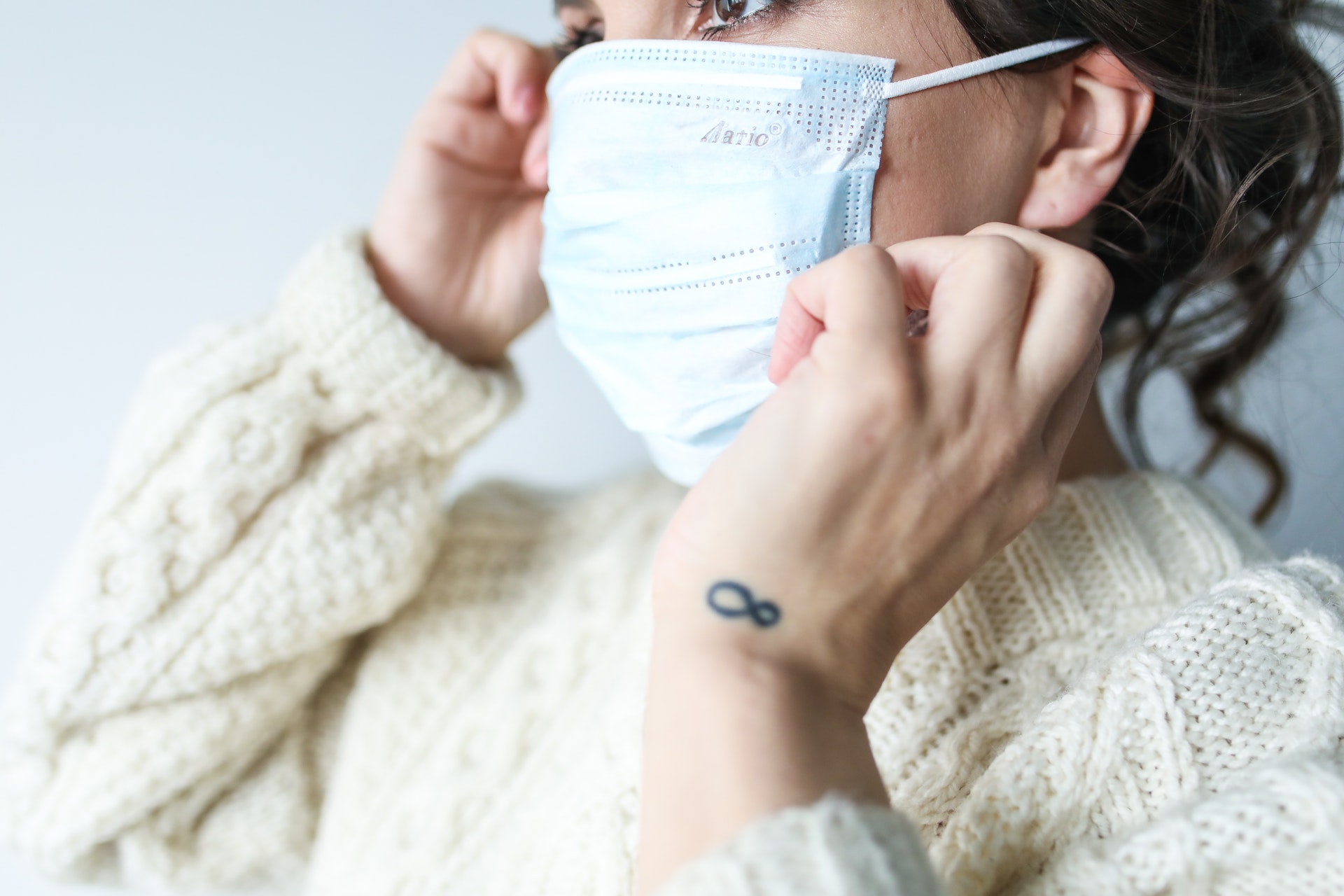
News organizations accustomed to following leads and filing political analyses are being challenged now to perform service journalism so readers and viewers understand the new coronavirus and how to protect their families. (Pixabay photo)
NEW YORK — Aside from the latest updates on a coronavirus outbreak that has hit hard locally, the Seattle Times features an item you wouldn’t expect on a news website: a detailed diagram on the proper way to wash your hands.
News organizations accustomed to following leads and filing political analyses are being challenged now to perform service journalism so readers and viewers understand the new coronavirus and how to protect their families.
So many podcasts, newsletters and TV specials have popped up in the outbreak’s wake, that Harvard University’s Nieman Foundation even joked about it last week: “Not to alarm you, but coronavirus-focused news products are spreading very quickly.”
The Los Angeles Times joined the newsletter club this week, following the likes of BuzzFeed, USA Today, the New York Times, Politico and local outlets like The Oregonian and Dallas Morning News.
The most valuable outlets providing coronavirus news, and the ones seizing an opportunity to make themselves indispensable to its customers, have stressed the service aspect of their mission, said Dan Fagin, a former journalist and now director of New York University’s Science, Health and Environmental Reporting Program.
“The Seattle paper is kind of setting the standard, which is great,” Fagin said.
The Seattle Times’ website tells readers what percentage of people with coronavirus get a fever, and how many get a cough. It lists supplies people should have if they’re quarantined and has features on what transit riders should know, including how often buses are cleaned and the risks of going to gyms.
It contains links to fact sheets that people can print out in several different languages, including Chinese, Korean and Somali.
“We’re super in-touch with our readers here,” said Lynn Jacobson, deputy managing editor of the Seattle Times. “It’s why so many people fear for the future of local journalism. We ride the buses with them. We go to work with them. We know what they want to know.”
The Times has also specifically asked its readers what they want to know, and received more than 1,000 responses. Some of what they asked — about hygiene advice, grocery delivery and the merits of using cash or credit cards — triggered articles and graphics that the paper has prepared, Jacobson said.
Grateful readers have had pizza and Vietnamese sandwiches delivered to the Seattle Times’ newsroom, she said.
The Associated Press has directed its reporters to include boilerplate information about the virus in all of its stories. Readers are informed that for most people, the virus causes only mild or moderate symptoms, such as fever and cough, with older adults and people with existing health problems most susceptible to more severe illness. The vast majority of people recover in about two weeks with mild symptoms and up to six weeks if it’s more severe.
The service’s website has a special section, “Understanding the Outbreak,” with features like steps to take to avoid getting the virus, how to prepare your home and family and what to know if planning a trip.
“We’ve been referring to this as the Olympics of explanatory journalism,” said Brian Carovillano, AP’s managing editor and vice-president.
The Washington Post maintains a constantly-updated section of frequently asked questions about the virus, a common service approach.
“It reassures readers that what they’re getting is immediate and relevant,” said Cameron Barr, the newspaper’s managing editor for news and features.
NYU’s Fagin said he’s been disappointed that many news organizations are not pushing service-oriented features as much as they should. FAQ’s, or stories like the five most important things people can do to protect themselves, should be front-and-centre every day, he said.
The virus produces so much news — outbreak clusters, cancellations, someone famous getting sick — that many news sites effectively keep a running blog of regular updates. Following the day’s news is what most journalists are oriented toward doing, and some might consider service features boring or something that readers can look up online, he said.
“This is a moment to remind people that journalism is really important, and we can help them make good decisions to help manage their risks,” he said.
A number of television networks have stepped up with specials designed to answer viewers’ questions. CNN held a town hall meeting with Anderson Cooper and Dr. Sanjay Gupta last week, and will hold a second one Wednesday, this time without a studio audience for safety reasons. Fox News Channel brought Dr. Mehmet Oz on to answer questions about the disease.
Yet unless you happen to be watching, it can be difficult for viewers to find later. Fox included a link to the Oz session on its website — right next to a clip of Sean Hannity saying that the media is using coronavirus coverage as a political weapon.
———
The Associated Press receives support for health and science coverage from the Howard Hughes Medical Institute’s Department of Science Education. The AP is solely responsible for all content.




















