
Art and Culture
Museums present visual art as beautiful things you can touch

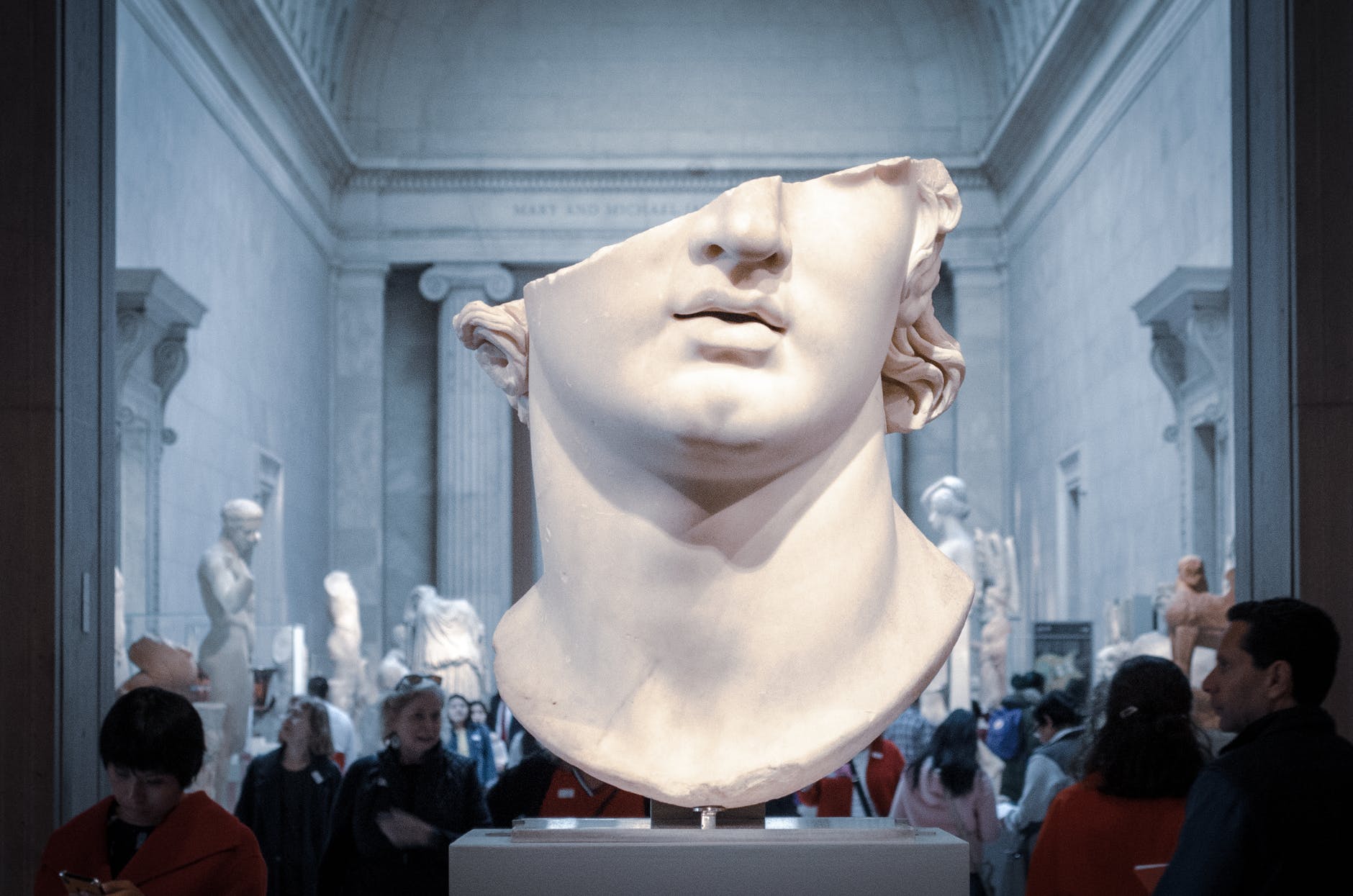
Stimulating the senses might prove to be beneficial to help museum visitors retain information through what is called the bodily-kinesthetic intelligence. This type of intelligence occurs when we actively interact with given objects or artefacts through the sense of touch. (Pexels photo)
A shift is taking place in museums and the way art history is presented globally. More museums now value visitor experience and at the same time, there is a growing emphasis on accessibility in Canadian public institutions.
Some museums are offering adapted guided tours, which include tactile elements in addition to relying on various digital devices. The devices range from audio guides to 3D printed models that can sometimes be touched.
I have been awarded a Pierre Elliot Trudeau Foundation scholarship to look into the impact of multisensory mediation tools. These tools often include a tactile or auditory element and so encourage the use of more than one sense at the time. My research focuses on the low-vision and blind community.
Two years ago, I co-created two multisensory-art prototypes to offer a tactile experience of a 1948 painting and its colours. The idea was to give visitors a version of the painting they could touch, to discover and interact with manually. Each colour is represented by a different texture. These prototypes were exhibited at the Montreal Museum of Fine Arts, underneath the original artwork.
What might museums gain from following this recent art history shift? How can they start to embrace multisensory aesthetic experiences?
These new approaches propose solutions to barriers that limit access to museums for marginalized audiences. Such barriers include cultural, financial, emotional and intellectual factors, among others. Experts predict that the numbers of blind people will reach 115 million by 2050 worldwide. Those numbers don’t include others with mobility barriers or other disabilities.
New ways of presenting art + culture
The museum public is slowly expanding to populations that previously lacked access to these institutions. It is now essential for museums to adapt the way they present collections. In her book The Museum of the Senses: Experiencing Art and Collections, Constance Classen, a cultural historian who looks at the history of the senses describes how contemporary museums are making use of multimedia and interactive displays to stimulate the senses.
Stimulating the senses might prove to be beneficial to help museum visitors retain information through what is called the bodily-kinesthetic intelligence. This type of intelligence occurs when we actively interact with given objects or artefacts through the sense of touch.
These innovative mediation tools involve visitors by stimulating multiple senses, which is beneficial to various audiences including children. Children rely on their sense of touch to grasp the world that surrounds them and touch tools can help them learn more about culture.
Since these displays require a certain level of interaction, visitors are no longer passive. They can actively contribute to the museum visit, creating more memorable experiences.
Multisensory art
Art appears to be evolving as it now seems to be focusing on other senses than sight. More and more artists now try to make their art accessible to all, either by adding a tactile component or sound, whether it be speaking, music or noises. New forms of art have recently been developed and many examples stand out.
Among these is the work of Andrew Myers who creates tactile paintings with screws. This type of artwork serves two purposes: to be beautiful for sighted visitors since the end of the screws is painted, and to be accessible through touch for the low-vision and blind community.
Another artist, Richard Harlow, decided to pursue his love of art after becoming blind. To make sure his art is accessible to others, he developed various techniques to make his paintings tactile. He also provides braille and audio descriptions during exhibitions.
New technologies can also help create innovative forms of artwork, virtual or not. One of the potential objectives of the creator of these artworks is to find ways to translate a visual representation, namely paintings or drawings, into something that can be touched. To do so, they must rely on using raised lines instead and focusing on the visual narrative.
The museum as a laboratory
As more mediation tools are being developed and used to address different audiences, could the future of the museum be ensured by the evolution of its functions? Could we start seeing the museum as not only a cultural institution, but also a type of social laboratory?
This trend seems to be emerging as the role of museums is slowly changing and leading them to become key players in the inclusion of marginalized audiences. A good example, among others, is the Montreal Museum of Fine Arts which offers activities aimed at promoting a “culture of inclusion” through its art therapy department.
Amidst this sensory turn within museums and art history itself, it is essential to remind ourselves that these institutions are at the heart of society. When museums and art institutions work to make artefacts and artworks accessible to broader audiences, they can help raise awareness and encourage respectful social interactions.
Thus, museums not only foster social interactions between visitors coming from different backgrounds but also contribute to creating a feeling of belonging amongst them, through sharing an aesthetic experience.
——
This article is republished from The Conversation under a Creative Commons license. Disclosure information is available on the original site. Read the original article:
https://theconversation.com/museums-present-visual-art-as-beautiful-




















