
Canada News
Ontario public health cuts will endanger the public

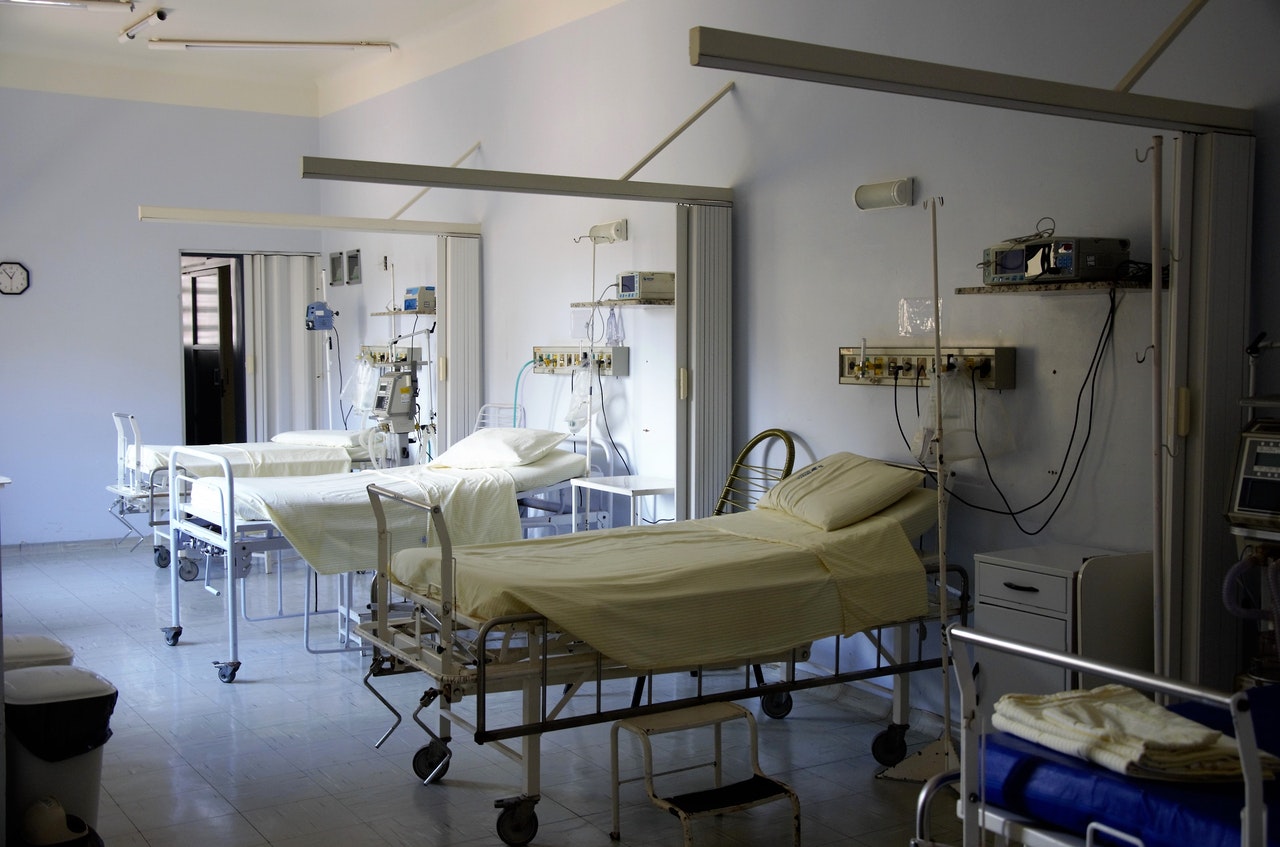
And while public health deals with the threats of today, this activity also reduces future burdens that the province will have to pay for in the form of overcrowded hospitals — an issue the Ford government is specifically looking to remedy. (Pexels Photo)
Ontario recently announced that it will reduce funding towards public health agencies across the province to the tune of $200 million.
The Ford government also proposes to reduce the amount of public health units from 35 down to 10 over the next two years.
This has caused an uproar in the province, and generated anger from big-city mayors, concern from local health officials and expressions of public protest — due to the amount of funding being cut and the speed at which these cuts are occurring.
The cuts come as a surprise to many and will create a period of public vulnerability, as officials scramble to reorient around a new fiscal environment.
This is an issue worth careful consideration. Not only is public health essential for a healthy state in general, but we are in a moment in time that requires especially strong public health infrastructure.
Public health averts large-scale disasters
As Toronto’s medical officer of health, Dr. Eileen de Villa explained to the Toronto Star, public health is invisible in its effectiveness. That is because public health personnel are in charge of large-scale issues like environmental hazard mitigation, disease prevention, food safety and health surveillance.
When these health issues are managed correctly, large-scale disasters are averted. Ironically, it’s exactly these merits that make public health a target for cuts.
David Hemenway, professor of health policy at the Harvard T.H. Chan School of Public Health, suggests that in the United States reductions in public health resources are not only dangerous to society, they are predictable due to the non-personalized, politically unpopular and long-term nature of up-front investment into public health interventions.
In the United Kingdom, public health budgets are also reportedly considered a “politically soft target,” especially after the 2008 global financial crisis.
Cuts to public health in Canada occur in an already resource-strapped environment. The Canadian Institute for Health Information reports that the public health system represented only 5.5 per cent of total health expenditures in 2017.
This is despite public health being arguably responsible for the largest contingent of patients in the health-care system: everybody.
Public health investment pays for itself
As microbes are becoming resistant to treatment, income inequality increases, the climate shifts, measles re-emerges around the world and substance abuse devastates a generation, public health officials need not only resources, but the confidence to mount meaningful long-term initiatives to protect the public.
And they don’t do it alone. Public health also serves as a connection point for other agencies who must work together to tackle these “wicked” problems.
And while public health deals with the threats of today, this activity also reduces future burdens that the province will have to pay for in the form of overcrowded hospitals — an issue the Ford government is specifically looking to remedy.
A systematic review of the cost effectiveness of public health interventions suggests that cuts to public health activities for the sake of cost-saving represent a false economy. This is because public health interventions pay for themselves in future health-care costs at a staggering 14.3:1 ratio.
Findings like these reveal a deep and re-occurring misunderstanding of what constitutes value in health-care spending.
Rife with confusion and instability
It is difficult to articulate the level of discrepancy between the current Ontario administration’s priorities and best practice in public health.
Ceasing funding to some supervised injection sites while loosening public alcohol consumption restrictions is an exemplary case of such a paradox.
The most recent cuts continue this narrative of a new direction for public health infrastructure in Ontario, one that is rife with confusion, restructuring and instability.
A deficient, paranoid public health system may create short-term budget savings, but will create huge problems in the long term.
———
This article is republished from The Conversation under a Creative Commons license. Disclosure information is available on the original site. Read the original article:
https://theconversation.com/ontario-public-health-cuts-will-endanger




















