
Technology
How your smartphone can encourage active living

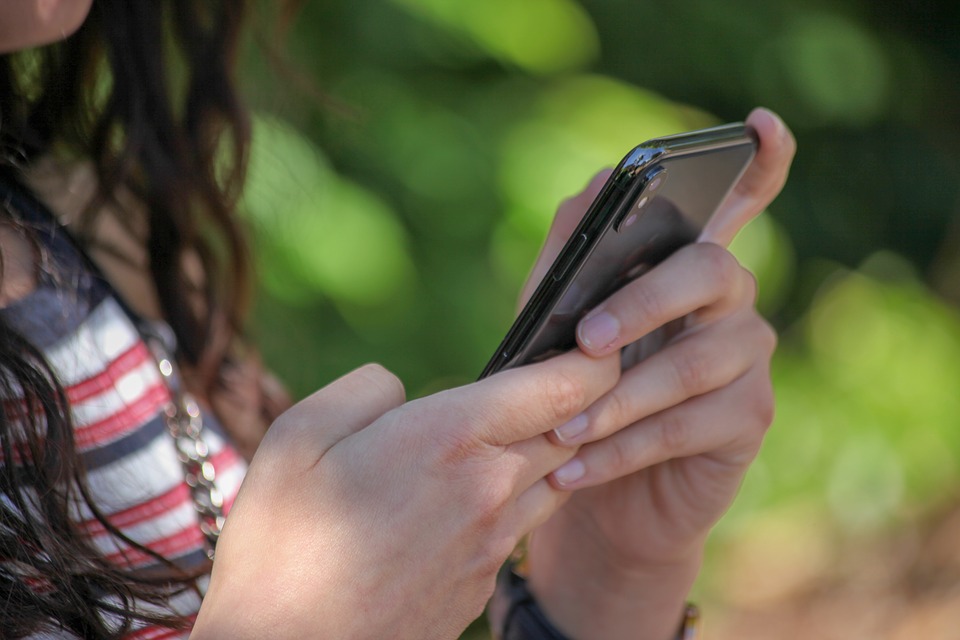
It is time to fight fire with fire, by repurposing the same devices that make us more inactive — smartphones. (Pixabay photo)
Physical inactivity is the fourth leading risk factor for death globally and has reached the status of a global pandemic — a definition that is usually associated with infectious diseases like influenza.
Even those of us who are physically active every day can be quite sedentary. Working out every day, yet spending the rest of the day sitting in a chair — this has become the norm in the modern world.
We know that even moderate increases in physical activity are associated with reduced risks of physical illness such as cancer, heart disease, stroke, Type 2 diabetes and Parkinson’s disease. We also know that exercise improves our mental health and academic performance.
Apart from considerable risk of disease and death, physical inactivity is responsible for a substantial global economic burden, with annual conservative costs to health-care systems worldwide exceeding US$53.8 billion.
Despite this incriminating evidence against physical inactivity and despite investments in active-living interventions, there has been little change in global physical inactivity levels.
As an active-living researcher who uses technology to understand physical inactivity in populations and to influence policy, this state of passivity makes me extremely impatient. It is time to fight fire with fire, by repurposing the same devices that make us more inactive — smartphones.
Mobilizing smartphones
Before my colleagues and physical activity advocates shun this idea, I would like to clarify that I am absolutely not suggesting that we need more screen time.
First, screen time cannot be generalized, as it is accumulated across a multitude of devices with varied motivations and effects.
Second, of all screen-time enabling devices, smartphones are the truly ubiquitous ones, which in essence makes them tools of equity in the 21st century that provide access to billions of people around the world.
Third, and probably more pertinent to physical activity, smartphones are the only digital tools almost all of us literally carry everywhere, and which have the functions (GPS, accelerometers, camera, audio, video) to sense, share and mobilize data between consenting citizens.
Still, we don’t think about smartphones when tackling the physical inactivity pandemic. To me, the smartphone is the elephant in the room.
Figuring out what makes us move
There is no indication that we will revert back to the days without these devices, so why not leverage citizen-owned smartphones to address one of the most pressing health issues of our lifetime?
Active citizenship is not limited to physically active populations. In fact, I am not interested in making active individuals more active (I am one of those people) and thereby widening the existing gap between the active and the inactive. I am interested in making active people more engaged and inactive people more active — by using the same device that is currently a barrier to active living.
I am not sure if we can use screen time to reduce screen time, which is something that we are trying to understand. But, it is not radical to use a device that almost everyone owns to figure out what makes us move.
SMART Platform is one such initiative. We are engaging citizens through their smartphones to understand the amount of physical activity they accumulate and how, why, where, when and with whom they move.
Engaging with people is the key
By taking pictures, recording audio and video, among many other innovative approaches, people we are engaging with are helping us build complex pathways to not only understand active-living patterns, but also to develop initiatives to address urgent health crises.
For instance, through the SMART Platform we are conducting multiple projects such as the SMART Indigenous Youth, which engages Indigenous youth and educators in rural and remote areas through smartphones to understand how land-based active living can improve mental health.
Youth- and educator-owned smartphones are playing an important role in remote engagement in this project, which is essentially a community-based intervention embedded into school curricula.
Each on-reserve school in this community trial is implementing its own culturally appropriate land-based active living intervention informed by traditional knowledge, language and community preferences. The land-based activities include plant identification, hunting, trapping and fishing, among other activities driven by the seasons. In essence, educators and youth are using their smartphones to provide their perspectives as citizen scientists to help explain how the intervention is changing patterns of youth behaviour.
Thus, the implications of effectively using this device go well beyond narrow discussions about screen time or even active living. This device can provide a voice to people and promote active citizenship.




















