Headline
Senate begins debates on ₱7.2T 2027 budget, seeks more funds for health, education

ASM, Philippine Canadian Inquirer
November 24, 2026
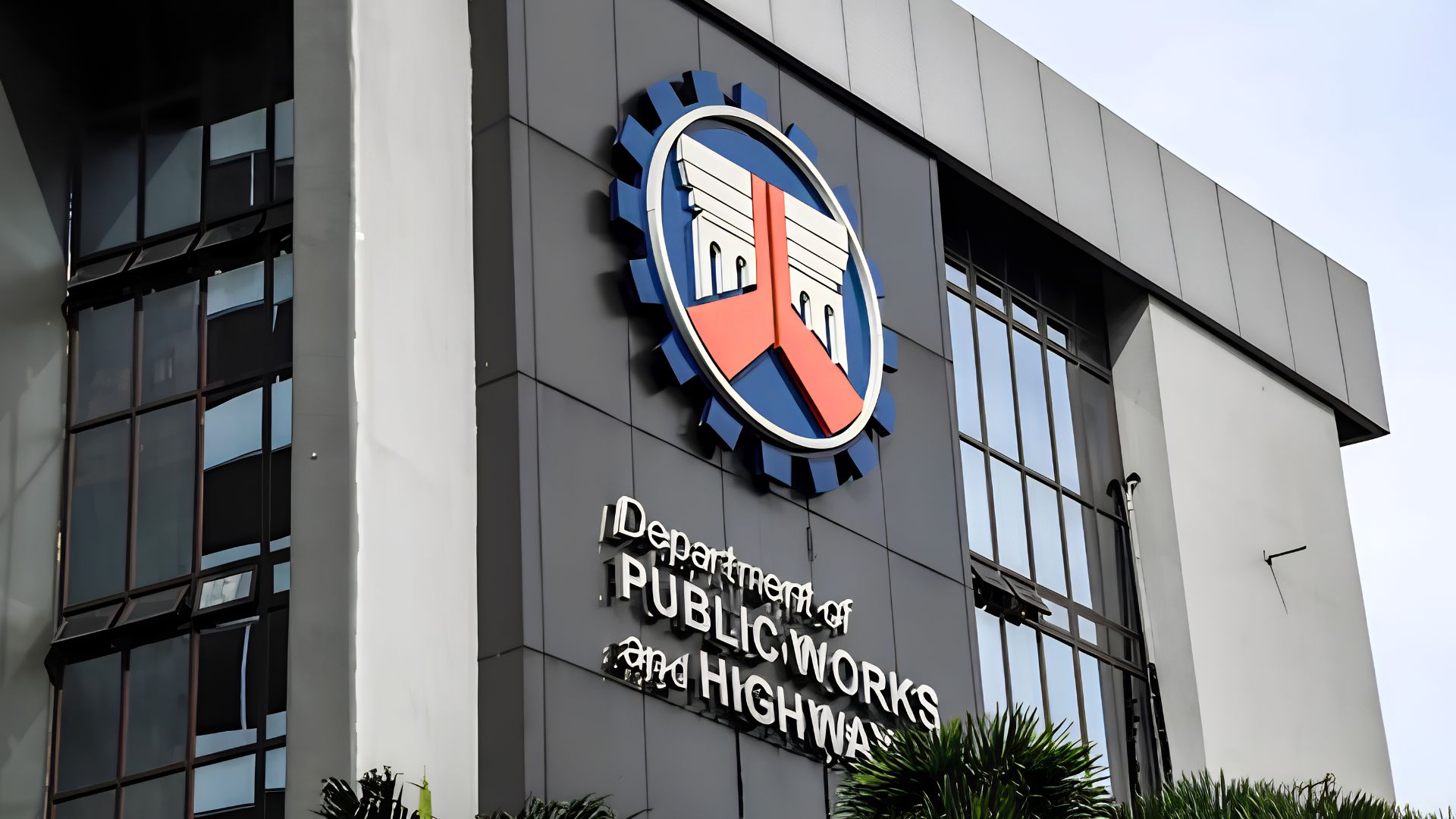
Photo courtesy: United News
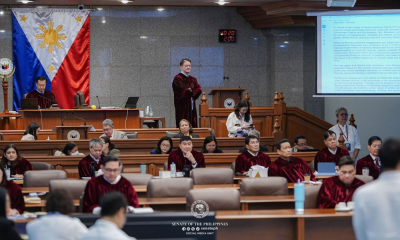
The Senate has begun deliberations on the proposed ₱7.2-trillion national budget for 2027, with lawmakers seeking to redirect billions of pesos from public works projects toward healthcare, education, agriculture and major infrastructure development.
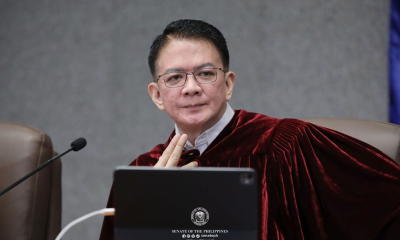
Senator Joseph Victor “JV” Ejercito, chairperson of the Senate Committee on Finance, formally presented the chamber’s proposed spending adjustments during the plenary session on Monday, November 23.
The committee’s recommendations include approximately ₱204.634 billion in amendments aimed at strengthening essential public services and improving accountability in government spending.
The proposal is contained in Committee Report No. 131 on House Bill No. 10858, the 2027 General Appropriations Bill.
Ejercito emphasized the need to prioritize services that directly affect Filipinos, particularly healthcare, food security, education, employment and public safety.
Health sector among major beneficiaries
The Senate finance panel proposed an additional ₱52 billion for the health sector, with funds intended to improve medical services, strengthen hospitals and expand financial assistance for patients.
Under the committee’s recommendations, the Department of Health (DOH) and its attached agencies and corporations would receive approximately ₱378.6 billion.
The Philippine Health Insurance Corporation (PhilHealth) would gain an additional ₱19.8 billion, bringing its proposed subsidy to ₱94.2 billion.
The DOH Office of the Secretary would also receive an additional ₱9.6 billion.
Among the proposed allocations is approximately ₱5.4 billion for the Health Facilities Enhancement Program, which supports the construction and improvement of public hospitals and the acquisition of medical equipment.
The committee also recommended additional funding for preventive healthcare, including immunization, nutrition and health promotion.
Part of the Medical Assistance Program’s budget would be redirected to public hospitals to strengthen the Zero Balance Billing Program, which aims to prevent eligible patients from facing hospital charges beyond government coverage.
These proposals remain subject to Senate approval and subsequent stages of the national budget process.
Billions redirected from public works projects
One of the Senate finance panel’s largest proposed adjustments involves the Department of Public Works and Highways (DPWH).
The committee recommended removing approximately ₱97 billion in projects that failed to meet documentary and other compliance requirements.
Ejercito disclosed that his office had flagged 3,132 DPWH projects for incomplete supporting documents.
The affected projects were included in the House-approved version of the budget, prompting the Senate panel to review whether they met the necessary requirements for government funding.
Instead of retaining those allocations, the committee proposed redirecting substantial resources toward infrastructure projects supported by foreign financing.
Ejercito earlier identified approximately ₱68.8 billion in proposed realignments related to foreign-assisted infrastructure.
The projects discussed included the Metro Manila Subway, North-South Commuter Railway, Cavite-Bataan bridge and Laguna Lakeshore Highway.
The committee’s recommendations also seek to restore funding for infrastructure projects whose allocations had been reduced during earlier budget deliberations.
The proposed changes reflect the Senate’s effort to shift resources toward projects with identified financing arrangements and established development priorities.
Education and agriculture receive proposed increases
Public schools and food security programs are also expected to benefit from the Senate’s proposed budget adjustments.
The Department of Education would receive approximately ₱915.4 billion under the committee’s recommended spending plan.
The proposal includes additional resources for the School-Based Feeding Program, which supports nutrition among public school learners.
The Senate also proposed funding for state universities and colleges, including initiatives to improve digital learning and internet connectivity.
For agriculture and irrigation, the committee recommended approximately ₱251 billion to support production, irrigation facilities and assistance for farmers.
These include funds for rice production, agricultural recovery and preparations for a possible El Niño event.
The Department of Agriculture’s Quick Response Fund would receive ₱1 billion, while ₱250 million was proposed for a rehabilitation and emergency credit program for farmers, fisherfolk and agriculture-related small businesses affected by disasters or financial difficulties.
The defense sector was also recommended to receive an additional ₱5.56 billion under the committee report.
Senators question spending priorities
The opening of budget deliberations also brought renewed scrutiny of proposed government construction projects.
Senator Panfilo Lacson questioned the allocation of approximately ₱54 billion for nearly 4,000 multipurpose buildings, arguing that lawmakers should examine whether such expenditures address the country’s most urgent needs.
He also cited previous government spending on tens of thousands of similar structures over the past decade.
Lacson raised concerns about the proposed allocations amid slower economic growth, rising living costs and pressure on the Philippine peso.
Meanwhile, Senator Francis Pangilinan proposed allowing representatives of civil society organizations to participate in the bicameral conference committee’s budget discussions.
The proposal aims to broaden public participation and strengthen transparency when the House and Senate reconcile differences between their budget versions.
Ejercito also called for stricter monitoring of public spending, particularly in infrastructure projects that have faced questions over documentation and compliance.
Budget debates continue in the Senate
The Senate’s plenary deliberations will allow lawmakers to question the proposed allocations of government departments and their attached agencies before voting on the budget bill.
Under the chamber’s published schedule, discussions on November 24 will cover several agencies, including the departments of Education, Foreign Affairs, Trade and Industry, Science and Technology, Tourism and Energy.
Additional hearings are scheduled throughout the week, covering social welfare, transportation, agriculture, health, public works and other government offices.
After the Senate approves its version of the budget, representatives from both chambers will need to reconcile their differing proposals through a bicameral conference committee.
The final measure must then be ratified by Congress and submitted to President Ferdinand Marcos Jr. for consideration and signing into law.
The Senate’s published calendar lists agency budget interpellations through Friday, November 27, with the Departments of Health, Public Works and Highways, and National Defense among those scheduled for examination that day.
The deliberations will determine whether the finance committee’s proposed funding increases and the removal of noncompliant public works projects remain in the Senate-approved spending plan.