Health
A Healthy Mind Matters


Like the rest of the world, I was deeply saddened and shocked when I read that TikTok influencer, Emman Atienza had died last October 22 at such a young age, 19. And what made it even more tragic, was the cause of her death, which was suicide by ligature hanging, per the Los Angeles Country Medical Examiner. Her parents, businesswoman and fitness guru Felicia Hung Atienza and well-known TV host Kim Atienza, were acquaintances of mine, having personally met the whole family when they used to stay at Rosewood Hotel Georgia in Vancouver, where I previously worked a decade ago. I first saw Emman when she was just a sweet 9-year-old girl with her two older siblings, brother Jose and sister Eliana.

Photo courtesy of Pexels
“It’s with deep sadness that we share the unexpected passing of our daughter and sister, Emman,” her parents announced in an Instagram post on Friday, October 24. “She brought so much joy, laughter and love into our lives and into the lives of everyone who knew her.” “Emman had a way of making people feel seen and heard, and she wasn’t afraid to share her own journey with mental health,” the statement continued. “Her authenticity helped so many feel less alone.” “To honor Emman’s memory we hope you carry forward the qualities she lived by: compassion, courage, and a little extra kindness in your everyday life.”
For someone who is medically diagnosed with depression, anxiety, obsessive compulsive disorder and paranoia, I can totally empathize with others who are living and struggling with mental illnesses. One would never really know what a person is going through so it’s always best to be kind to others. We can help support others who are struggling with mental health issues by being mindful with our language and using respectful first-person communication.

Photo courtesy of Pexels
We need to educate ourselves by learning about their specific condition so we can better empathize and understand them. We must normalize mental health by talking about it openly and transparently — encouraging equality between physical and mental illness. Above all, let us practice compassion and kindness by treating everyone with dignity and respect. We must learn to listen without judgment.
Mental illness, also called mental health disorder, refers to behavior that causes distress and disrupts a person’s ability to function in health conditions involving changes in emotions or thinking. Mental health exists on a spectrum. Mental illnesses are common, with approximately one in five adults experiencing a diagnosable mental disorder in a given year.

Photo courtesy of Pexels
A person can have mental health concerns from time to time, but it only becomes a mental illness when symptoms that cause significant impairment are persistent and in daily life. Mental illnesses take many forms, with over a couple of hundred different types identified. Some common disorders include:
Mood disorders: Involve persistent feelings of periods of extreme happiness, sadness or mood swings. Examples are bipolar disorder and major depressive disorder. Personally, I have been diagnosed medically with depression and I do take medication to help me cope with it.
Anxiety disorders: Characterized by excessive and prolonged fear and worry. Types include Post-Traumatic Stress Disorder (PTSD), panic disorder, phobias, and Generalized Anxiety Disorder. I have also been diagnosed with anxiety and I also take medication for it.

Photo courtesy of Pexels
Eating disorders: Causes extreme behaviours involving weight and food, attitudes, and emotions. Examples include binge-eating disorder, bulimia nervosa, and anorexia nervosa.
Psychotic disorders: Involve a detachment from reality, with common symptoms like hallucinations, disorganized thinking, Schizophrenia, and delusions are well-known examples.
The exact causes of most mental illnesses are not fully understood, but research suggests a combination of environmental factors, psychological, biological, and genetic factors are involved. Below are some causes and risk factors:
Childhood experiences: A history of neglect, other adverse childhood experiences, physical, emotional, and sexual abuse are risk factors. Per my medical diagnosis, my traumatic childhood experiences were one of the causes of my mental illnesses.
Stress or trauma: Stressful life situations, such as the death of a loved one, divorce, breakup, health problems, financial problems, or even military combat can trigger mental illness.

Photo courtesy of Pexels
Substance abuse: Using and abusing recreational drugs and/or alcohol can sometimes worsen or trigger a mental illness.
Social isolation: A lack of healthy relationships, having few friends or being in a wrong relationship and surrounded by bad influences can increase risk.
Genetics: A person’s risk can increase by having a blood relative with a mental illness.
Prenatal exposure: Exposure to alcohol, drugs, toxins, and environmental stressors while in the womb can increase the risk.
Brain chemistry: Imbalances in brain chemicals called neurotransmitters can lead to emotional disorders.

Photo courtesy of Pexels
Here are some ways and symptoms to detect if you are having mental illness:
Inability to cope with daily stress
Excessive worries, guilt or fears, anxieties
Detachment from reality (having hallucinations and delusions)
Feeling down, sad, or confused
Changes in eating habits
Extreme mood swings and mood changes
Significant sleep problems or exhaustion
Withdrawal from daily activities and friends
Reduced ability to focus and concentrate
Has difficulty getting out of bed and prefers to stay in bed the whole day
How to Treat and Diagnose a Mental Disorder:
A mental illness is diagnosed by a qualified health professional through a physical exam to rule out physical causes, lab tests, and a psychological evaluation. Treatment plans are personalized and often involve a combination of the following:
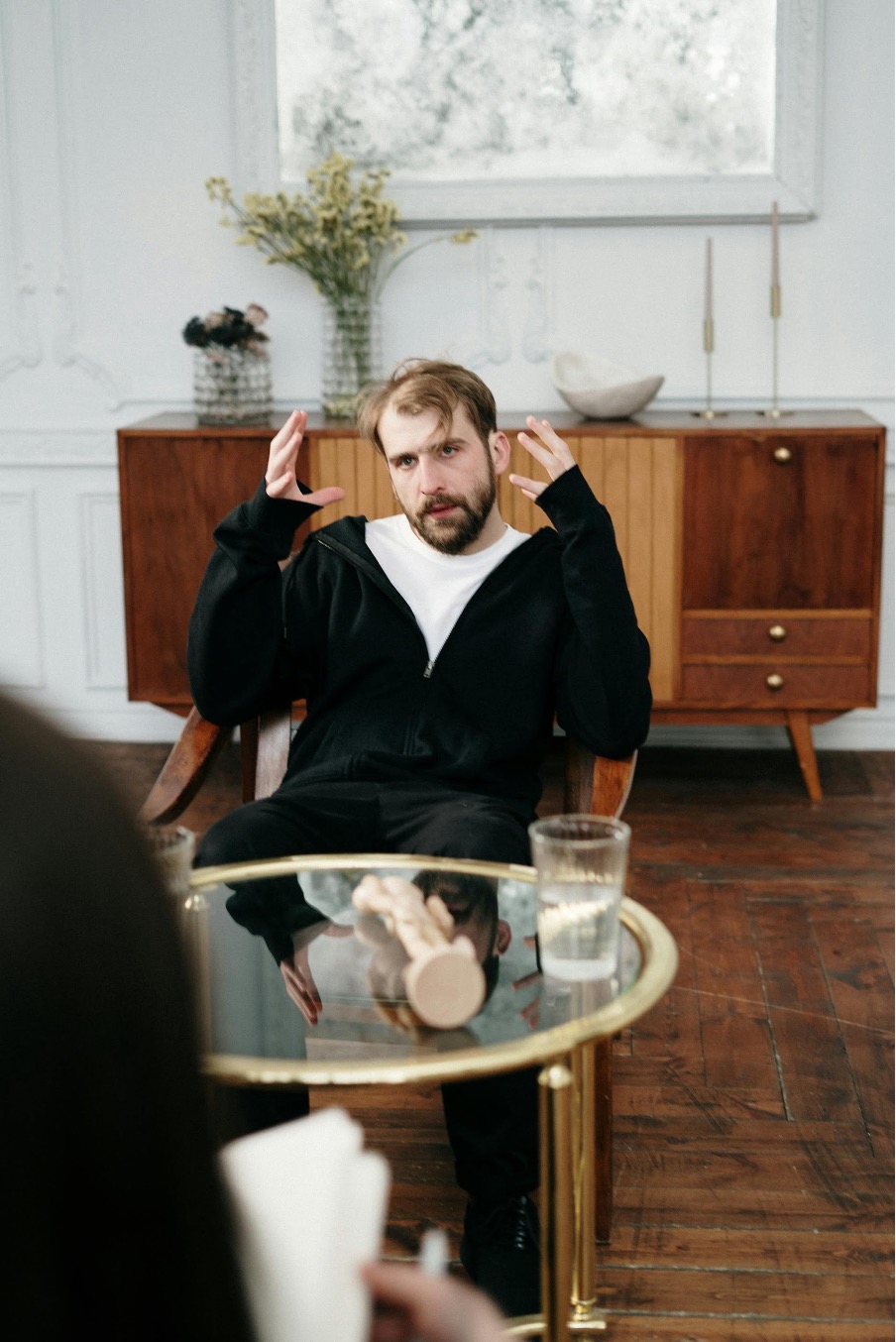
Photo courtesy of Pexels
Psychotherapy (talk therapy): Involves talking with a mental health professional to learn coping skills and manage symptoms. Common approaches include cognitive behavioral therapy (CBT) and supportive psychotherapy.
Medications: Psychiatric medications, such as antidepressants, anti-anxiety drugs, mood stabilizers, and antipsychotics, can significantly improve symptoms by balancing brain chemistry.
Supportive services: Programs that provide education, social support, and care coordination can help a person manage their condition.
Hospital and residential programs: For severe cases where an individual cannot properly care for themselves or is at risk of harm, more intensive care is available.
Per Mel Robbins, “Your mental health is everything – prioritize it. Make the time like your life depends on it, because it does.” I couldn’t agree more! I’d like to share the following tips on how to stay in shape mentally:

Photo courtesy of Pexels
Get enough sleep: Consistent, quality sleep is essential for memory consolidation and cognitive function.

Photo courtesy of Pexels
Exercise regularly: Physical activity boosts blood flow to the brain and improves mood, which is crucial for mental well-being.

Photo courtesy of Pexels
Eat a balanced diet: A diet rich in fruits, vegetables, lean protein, and healthy fats supports brain function and can help regulate mood.

Photo courtesy of Pexels
Stay socially connected: Spending time with carefully chosen friends, family, and your community provides emotional support and keeps your mind engaged.

Photo courtesy of Pexels
Practice mindfulness and meditation: These practices can help reduce stress, improve focus, and keep you present in the moment.

Photo courtesy of Pexels
Practice gratitude: Regularly acknowledging the good things in your life can boost your mood.

Photo courtesy of Pexels
Make time for fun: Engaging in hobbies and activities you enjoy is important for mental health.

Photo courtesy of Pexels
Manage stress and negative thoughts through daily journaling. Writing down your thoughts and feelings can help you process them.

Photo courtesy of Pexels
Reframe negative thoughts: Learn to challenge and change negative thought patterns to improve your mental resilience.

Photo courtesy of Pexels
Limit multitasking: Focusing on one task at a time can prevent brain fog and improve efficiency.
Remember this: Mental health is not a destination, but a process. It’s about how you drive, not where you’re going. Healing and getting well takes time. Don’t be afraid to seek help, it’s the bravest thing you can do! Your mental health doesn’t define you. It’s how you live through it, heal from it, and bounce back from it that matters.